
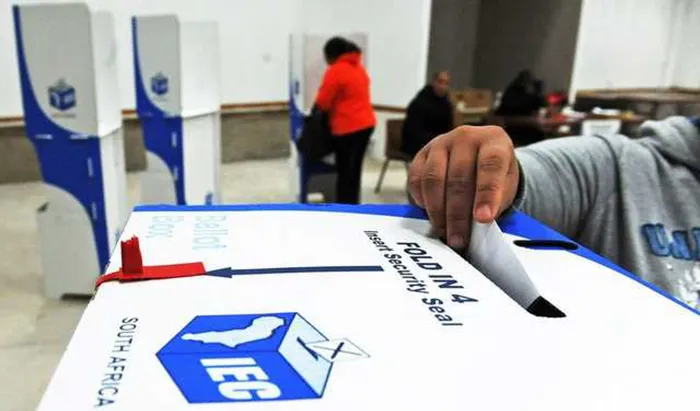
Africans still believe in voting, just not the electoral system.
Image: IOL
AFRICANS overwhelmingly believe in choosing their leaders through elections, but most do not trust the institutions tasked with ensuring those elections are free and fair, according to a new Afrobarometer Pan-Africa Profile.
The report, based on 50 961 face-to-face interviews conducted across 38 African countries in 2024 and 2025, paints a picture of strong democratic ideals colliding with weakening confidence in electoral integrity.
On average, nearly three-quarters of Africans (74%) support selecting leaders through regular, open and honest elections — a majority view in every country surveyed. Yet only 38% say they trust their country’s electoral management body “somewhat” or “a lot”.
The findings reveal a widening gap between citizens’ commitment to democratic participation and their faith in the systems meant to safeguard it.
Participation remains high. Seven in ten respondents (71%) reported voting in their most recent national election, with turnout highest among older citizens, rural residents, men and those without formal education. More than half of respondents (55%) described their most recent election as largely free and fair, either completely or with only minor problems.
However, that confidence is eroding. Across 28 countries surveyed consistently since 2014/2015, perceptions that elections are free and fair have declined by seven percentage points over the past decade.
While most Africans say they feel free to vote without pressure (86%) and to join political organisations of their choice (77%), significant minorities report darker undercurrents. Many say they feared violence or intimidation during election campaigns, while others doubt that their ballots were truly secret.
The disconnect deepens after election day.
More than three-quarters of respondents (77%) believe elected officials should follow the demands of voters. Yet only 17% say their members of Parliament “often” or “always” listen to what ordinary people have to say.
In short, Africans are voting — but many are not convinced it makes a difference.
Afrobarometer is a pan-African, non-partisan research network that measures public attitudes on democracy, governance and quality of life. Since 1999, it has conducted ten survey rounds in up to 45 countries. The latest Round 10 surveys were carried out by national partners using interviews in respondents’ preferred languages, with margins of error of between ±2 and ±3 percentage points at a 95% confidence level.