SA Association for Jazz Education hosts 16th conference in Durban
MUsic
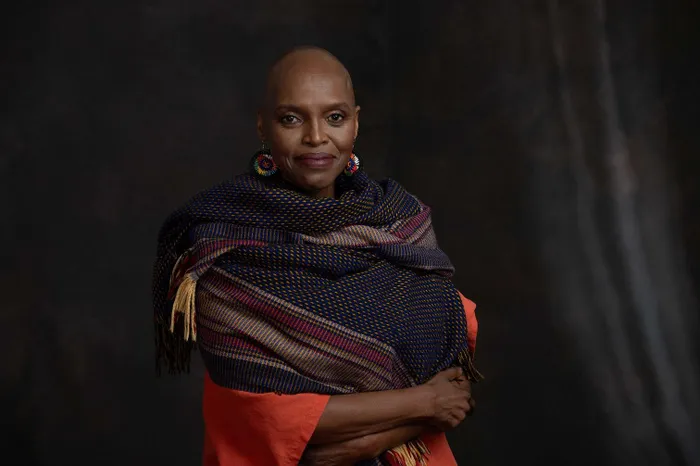
Composer, vocalist, and traditional instrumentalist Lu Dlamini will be at the conference.
Image: Val Adamson
DURBAN will pulse with jazz heritage and innovation this February as the South African Association for Jazz Education (SAJE) hosts its 16th annual conference from 25–27 February 2026 at the University of KwaZulu-Natal’s Centre for Jazz and Popular Music (CJPM). This year’s theme, “Indigenous Musical Elements in South African Jazz: Exploring Theory and Practice,” positions local musical knowledge at the heart of discussion, exploring how it shapes not only style but structure, language, and philosophy in jazz.
Presented in a hybrid format, the conference opens doors to both in-person and virtual participants across South Africa and beyond, reflecting SAJE’s commitment to broad access. Over three days, delegates can expect a dynamic programme of research papers, masterclasses, workshops, panel discussions, and live performances that bridge theory and practice.
“The rich musical heritage of our communities is our foundation,” said SAJE President Dr Sibusiso Mashiloane. “This year’s theme asks not only what we play, but how we credit, teach, transmit, and evolve the sound responsibly across classrooms, stages, and archives.”
The conference kicks off with a concert by Cape jazz and Goema pioneer Hilton Schilder, whose multi-instrumental work has helped define the genre. Highlights across the event include masterclasses from Schilder and Bheki Khoza on Cape jazz, Goema, and Zulu guitar techniques, research sessions tracing indigenous knowledge in jazz, and discussions on archival practice, ceremonial sound, and ethical transmission.
The closing night at The Chairman brings together bassist and composer Sbonelo Mlita, Durban vocalist Lu Dlamini, and Cape Town saxophonist Buddy Wells, creating a live reflection of the conference’s central inquiry: how indigenous musical knowledge, language, and memory live and breathe inside South African jazz practice.
SAJE’s annual conference has long shaped jazz education and scholarship, convening artists, educators, and researchers to interrogate practice, pedagogy, heritage, and innovation. This year’s hybrid format, supported by the National Arts Council of South Africa and eThekwini Municipality, promises to extend that legacy to new audiences and spark fresh conversations on the sound of South Africa.