
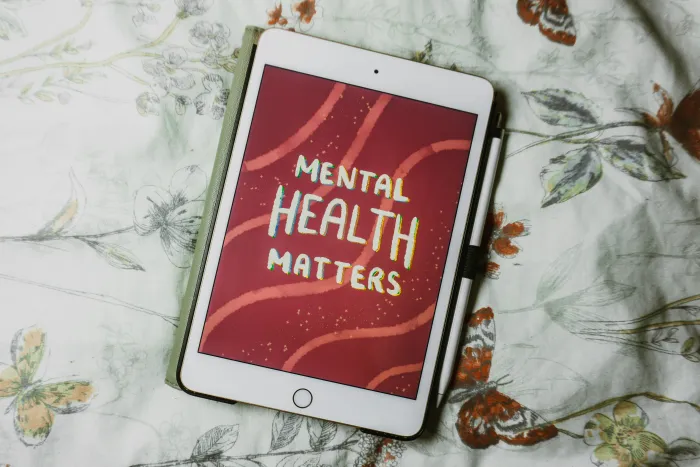
Mental health matters, Image: Supplied Mental health matters
Image: Image: Supplied
FIRST year varsity students are free, but emotionally fragile.
Behind the excitement of lectures, parties, and new independence, many are struggling without the safety net of home; triggering anxiety, insomnia, and panic over finances. Food security is also a common worry.
As they settle into campus life, experts warn that over one-third of South African students meet the criteria for common mental health disorders like anxiety or depression.
One student told the Independent on Saturday: “The transition from high school to varsity is breathtaking. It’s very hard because nothing is familiar.”
Linda Khoza, SADAG’s Project Manager: Higher Education, says their data show an increase in mental health-related concerns among students. While greater awareness has encouraged more to seek help, she warns that the severity and complexity of cases has also risen. This period - sees spikes in calls about adjustment difficulties, anxiety, panic symptoms, loneliness, academic pressure, and identity-related stress.
“First-year students are exceptionally vulnerable as they navigate the transition from structured school environments to relative independence. Many are living away from home for the first time, learning to manage their finances, forming new social networks, and adjusting to academic expectations. For some, there might well be pre-existing mental vulnerabilities that have become more pronounced during this period. We are also seeing more students reporting depressive symptoms, burnout, imposter syndrome, trauma-related concerns and, in some cases, suicidal ideation,” said Khoza.
Cassie Chambers, SADAG Operations Director, adds that calls to their crisis lines are usually low in January and February, but spike once orientation ends and reality sets in.
“All that excitement has kind of settled, and now people are adjusting to a new routine and environment. That’s when they deal with the stress, the pressure, feelings of being overwhelmed, living away from home for the first time, or missing home,” she said. Financial concerns are a key stressor.
“There's a lot of contributing factors, and we often assume that it's all happy and go lucky — it’s not for many people,” Chambers said. She adds that SADAG uses a multi-layered approach, combining helplines, psychoeducation, early recognition of warning signs, and access to support through campus wellness centres.
Dr Alicia Porter, specialist psychiatrist and member of the South African Society of Psychiatrists, says universities provide opportunity but also amplify psychological vulnerability. Research shows first-year students, especially those from previously disadvantaged backgrounds or first generation university students, have the highest rates of distress. According to Porter, the most common challenges are anxiety disorders, depression, adjustment disorders, and substance-related problems.
“In South Africa, suicide remains one of the leading causes of death among young people aged 15 to 24. Recognising issues early is critical so treatment can be accessed,” Porter said.
She notes the South African context complicates matters: inequality, trauma exposure, and economic instability mean many students carry invisible burdens.
“Many students carry invisible burdens — family financial dependence, exposure to violence or trauma. Trauma doesn’t leave when you leave the environment; it’s embedded and imprinted on your psychological makeup,” Porter said.
She has also warned of systemic gaps; high student-to-counsellor ratios, long waiting periods, limited psychiatric care, under-resourced services — particularly at historically disadvantaged institutions — as well as stigma all delay students from seeking help.
Last year, two students from Durban University of Technology (DUT) died by suicide, both male third-year students. Alan Khan, senior director of corporate affairs at DUT, said mental health concerns are an ongoing challenge, not limited to first-year students.
“We have a multi-disciplinary team of professionals; psychologists, social workers, nurses, and doctors — under the Student Counselling and Health Unit. The average waiting period for counselling is one week, but students in psychological emergencies are seen the same day,” Khan said.
Karen Van Den Berg, senior counselling psychologist at North-West University, says universities are struggling to meet the growing demand for mental health services. She says students often show signs of depression and anxiety due to multiple stressors and limited coping skills. Other common factors include poor sleep, bad nutrition, and interpersonal conflict. However, students remain resilient, Van Den Berg adds.
Tammy Dicks, ER24 Head of Trauma Support, sees the challenges across the country. “If we ever hit a snag while we were at school, we tried to figure it out before our parents found out about it, whereas now there's a lot more assistance and guidance provided from the parents, which doesn't enable them (youth) to solve their problems when they need to leave home.”
The South African Association for Counselling and Development in Higher Education (SAACDHE) emphasises that student mental health remains a pressing, complex concern across the sector. Naythan Kayser, the organisation’s spokesman, highlighted the need for systemic, whole-of-institution support.
“Universities are not just academic spaces; they are sites of major life transitions, where students encounter intense psychological, social and financial pressures. First-year students carry multiple layers of adjustment, and without adequate support, these pressures can quickly become overwhelming,” Kayser said.