
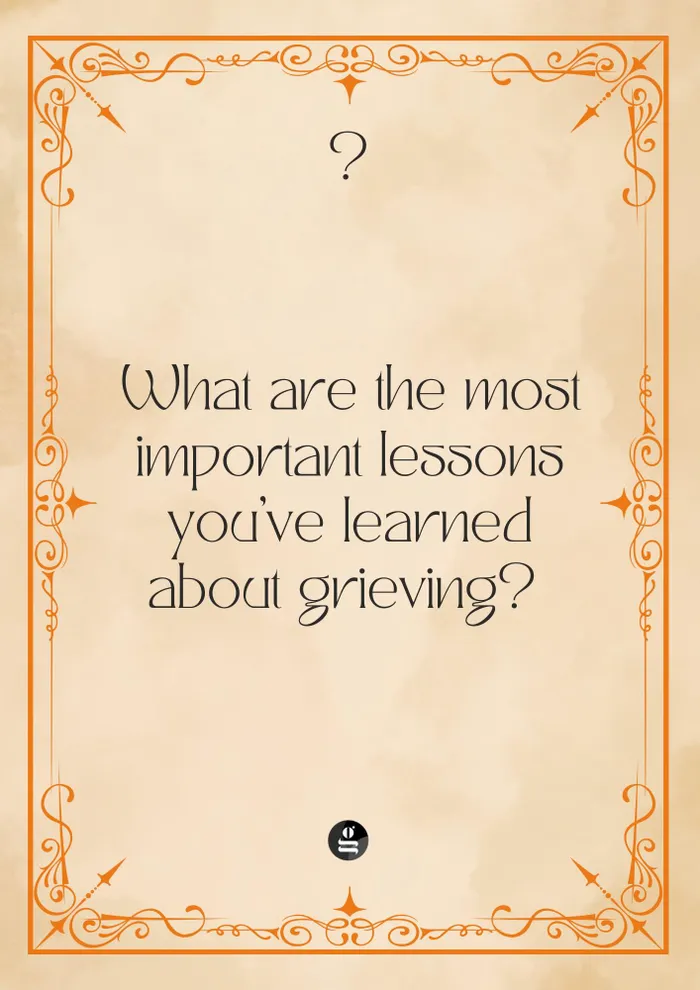
One of the conversation cards in Rumbi Munyaradzi's deck which aims to spark conversations on various issues between teenagers and adults.
Image: Supplied.
A SIMPLE deck of cards is sparking real conversations in a world that’s increasingly digitised.
Enter conversation cards: a social tool filled with affirmations and carefully curated questions, designed to get people to open up, exchange ideas and talk face-to-face. Through structured prompts, the cards are encouraging multi-generational discussions, bringing teenagers, adults and the elderly together in conversations that might never have happened otherwise.
Author Rumbi Munyaradzi’s deck builds on this idea, linking each question to themes in her book, Your Guide to Adulting, released last year. It also includes affirmations to help users reflect, reset their perspective, and have deep, meaningful conversations.
“I wanted them to be fun but deep,” she says. “Deep doesn’t mean sad; it means impactful.”
The inspiration came partly from parents’ repeated remarks that they didn’t know how to “get through” to teenagers, while their children were curious about many issues but struggled to articulate what they needed.
“They know they want to explore more, but they don’t always have the language for it. Even when surrounded by supportive adults, even with confidence, they aren’t always conveying what they really want to know. I realised there was a gap where I could help people broker the conversations they were looking for,” Munyaradzi explains.
She told the Independent on Saturday that the cards can be used even without the book.
“My goal is to help people have better conversations, live a bit more in the real world, and less online,” she says.
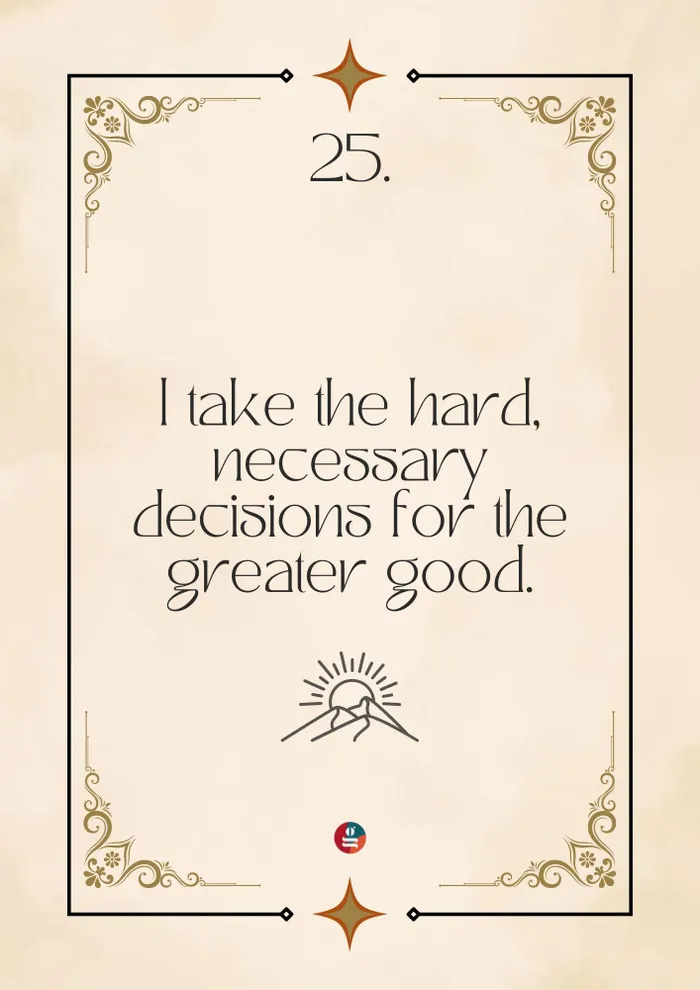
One of the affirmations in the deck of conversation cards by Rumbi Munyaradzi.
Image: Supplied.
The deck has 80 questions and 40 affirmations. Munyaradzi says the book has five sections, with roughly 15 questions per section covering topics such as creating a vision for your life, managing your time, and building a personal brand.
One of the cards asks: “If you feel stuck in any area, what will motivate you to move forward?” Answers differ widely across generations, and that’s precisely the point.
Munyaradzi suggests that instead of treating the cards like a game, users create a simple ritual: set aside 30–45 minutes - perhaps over a meal - without distractions, where everyone answers the same question. The goal isn’t speed but reflection, using each prompt as a shared doorway into understanding one another more deeply.
“Even sitting down for a 40-minute discussion once a month without digital disruption can get people thinking,” she adds. The cards are increasingly being used in family settings and group workshops.
Her aim while compiling the questions was to empower the person on the “other side of the card” through lessons from peers, parents, and others.
“You might not have the language and need to borrow it. The cards help you do that.”
Munyaradzi says that even by tackling just one question a week, you start noticing little things about each other that often go unseen. It’s simple, but it quietly builds connection.
The cards retail for R345 and are available from Munyaradzi at https://www.rumbimunyaradzi.com.
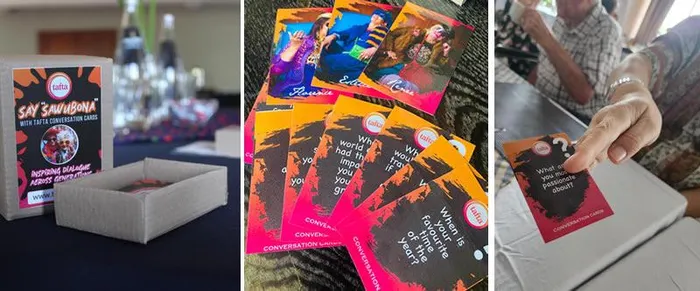
The conversation deck designed by Tafta.
Image: Supplied.
Munyaradzi isn’t alone in seeing the potential of conversation cards. A few years ago, Tafta - the Association for the Aged - developed a set of cards to encourage intergenerational dialogue and face-to-face connection. Chief executive Femada Shamam said the prompts help participants explore older people’s life stories, perspectives, and the lived experience of being over 60.
“There is no better way to gain advice, preserve our culture, and learn our history than from the ‘living libraries’ around us,” Shamam says, noting that such exchanges also challenge ageism.
For more information on Tafta’s Conversation Cards and the interactive sessions being hosted, contact Kemmy-Leigh Moodley on 031 332 3721 or idpr@tafta.org.za