
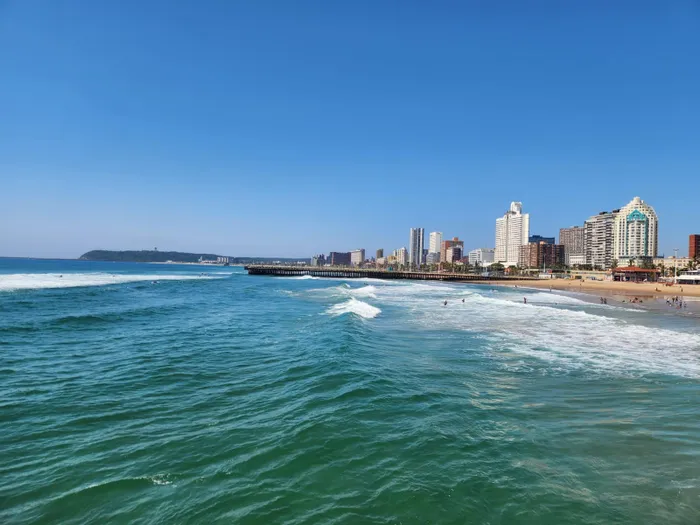
Durban aims to be Africa's most liveable city by 2030.
Image: Se-Anne Rall/IOL
DURBAN is South Africa’s third largest city with over three million populations from diverse races and cultures. It is a vibrant and beautiful coastal city, with a range of popular tourist destinations, which attract millions of local and international tourists annually.
According to a report released by 20th Mercer’s Quality of Living in 2018 Durban was voted the most liveable city in South Africa for the fourth time. The survey evaluated the cities according to 39 factors across 10 categories, including the political, socio economic environments, public services and transport, housing, education, recreation and the natural environment.
The city is working with a vision towards becoming the most caring and liveable city in Africa by 2030. According to UN-Habitat, a liveable city is one that ensures all inhabitants have access to basic services, safety, and a high quality of life. This directly supports the UN Sustainable Development Goal 11 of making cities and human settlements inclusive, safe, resilient and sustainable by 2030.
It addresses the challenges of rapid urbanization, focusing on providing safe housing, sustainable transport, and reducing the environmental impact of cities. Key initiatives include improving air quality, enhancing waste management, and ensuring universal, safe, and inclusive access to green and public spaces, particularly for vulnerable populations.
The aspiration for Durban to emerge as the most liveable city in Africa by 2030 is both audacious and inspiring initiative. With its warm climate, scenic coastline, and strategic economic position, the city possesses considerable potential.
Nevertheless, it encounters a set of deeply intricate structural challenges. The achievement of this goal within a constrained timeframe necessitates addressing such challenges, which are essential elements of urban liveability.
Although the city faces a variety of extensive systemic challenges, this article will focus specifically on safety and security issues for residents, which are crucial in shaping urban liveability.
Safety and security are crucial pillars of a city’s liveability. They serve as solid bases upon which other essential components are built. They influence how individuals experience their daily lives, make choices, and engage with their surroundings.
A city may have excellent infrastructure or economic prospects, yet without safety and security, the overall quality of life is greatly diminished.
High levels of crime and feelings of insecurity can greatly diminish the quality of life for residents while also deterring investment and tourism. These impacts create a ripple effect that influences economic, social, and reputational aspects.
In order for Durban to compete with other prominent cities on the continent, it must enhance public safety through effective policing, community and stakeholder engagement, along with social programmes. Durban, like many cities in South African, is marked by significant socio-economic disparities between the affluent and underprivileged communities, a situation stemming from the apartheid system.
Huge economic inequality, unemployment and the resulting poverty, contribute to elevated crime rates and the growth of informal housing, all of which can adversely impact everyday life, personal security, investment and tourism. Furthermore, this scenario can result in social unrest.
Addressing urban safety goes beyond policing - it requires tackling the underlying spatial and socio-economic divides embedded in the city. A genuinely liveable city must offer opportunities for all its inhabitants, which entails promoting inclusive economic growth, supporting small businesses thrive, and generating sustainable employment.
Xenophobic tendencies, insufficient social cohesion, corruption and mismanagement in service delivery are issues that cannot be overlooked. Safety enhances social cohesion. When people feel that their surroundings are safe, they are more inclined to engage with their communities and foster positive relationships.
This feeling of trust promotes unity and collaboration among residents, which in turn improves the city’s liveability. However, this essential spirit, for a harmonious city is compromised by xenophobic tendencies and incidents.
Consequently, it creates a hostile atmosphere that weakens social cohesion. Tackling these issues necessitates comprehensive strategies that prioritise both immediate safety and long-term social integration. In this regard, the city must draw lessons from successful strategies employed by other nations that have enhanced the quality of life within their urban settings.
The rise of anti-immigrant vigilante groups such as the March and March and Dudula, who go as far as denying foreigners access to essential services such as healthcare and education has a detrimental effect. The absence of prompt and effective response from law enforcement agencies amounts to complicity. Additionally, the proliferation of illegal money extortionists from business establishments under the guise of “protection fee” is equally a cause for concern.
Another significant concern that undermines the city’s liveability is the vandalism of essential infrastructure, including the recurrent theft of copper cables and the damage of electricity substations and water systems. Such actions frequently result in serious, prolonged service interruptions, incur substantial repair expenses, and impede economic development.
The Presidential eThekwini Working Group (PeWG) is a major government-led initiative established by President Cyril Ramaphosa in 2024. It aims at tackling critical issues within the eThekwini Municipality (Durban) related to service delivery, deteriorating infrastructure, and business confidence.
Safety and security concerns are central to the Group’s agenda. The initiative is a positive step towards realizing the goal of transforming our city into the most liveable one in Africa. It is worth noting that safety encompasses more than just crime reduction - it fundamentally fosters a sustainable environment where people can live, work, and thrive without fear. It is the foundation of nearly every element of liveability, influencing socio-economic growth, psychological and overall well-being. A genuinely liveable city is one where people feel secure, confident, and empowered to engage fully in daily life.
Misgina G. Tesfamichael is a senior social worker with over 20 years’ experience in the field. He has worked in Durban with various Non Profit Organisations (NPOs) since 2006.