
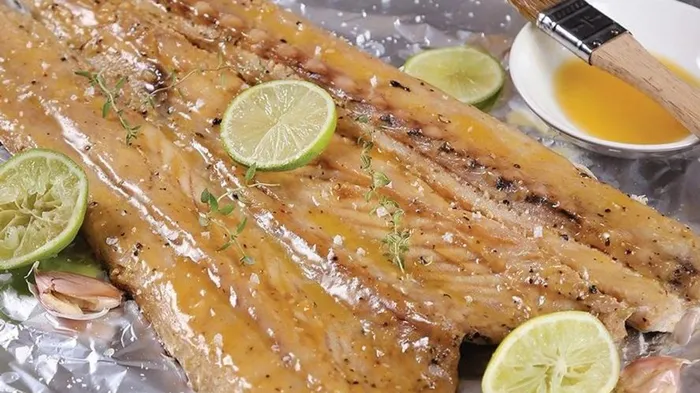
Snoek on the braai is a holiday staple - and a good choice in terms of ocean health.
Image: Supplied
As summer sweeps across South Africa, the allure of the ocean resonates strongly with locals and visitors alike. With sizzling snoek on the braai, tender calamari shared among friends, and fresh line fish caught off the coast, the seafood culture thrives. Yet, with the nation’s seafood consumption hitting an impressive 325,000 tons annually, the selection at the seafood counter bears more gravity than ever before.
According to recent research conducted by WWF-SASSI (The Southern African Sustainable Seafood Initiative), there’s hope on the horizon. Over half of South Africans — 52% — are now considering sustainability when purchasing seafood. However, a concerning one-third remains uncertain about whether their choices are benefitting or harming ocean ecosystems.
“You don’t need a marine biology degree to protect our ocean,” says Kirtanya Maharaj, the Outreach and Awareness Manager at WWF-SASSI. “Simply use the WWF-SASSI seafood guide when shopping. Green-listed seafood originates from healthy, well-managed populations. An orange label indicates caution, and red signifies protected or overfished species that should be avoided.”
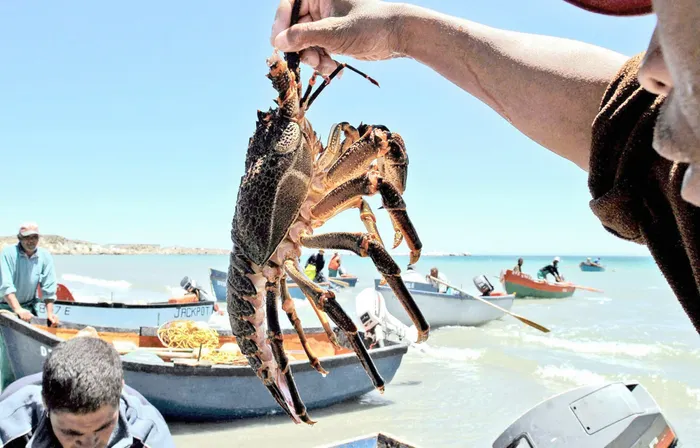
The WWF-SASSI seafood guide advises to swap East Coast Spiny Lobster (hand-caught) for the West Coast Rock Lobster pictured.
Image: FILE
In an effort to encourage responsible choices this season, consider these sustainable swaps that promise to keep your meals both scrumptious and ocean-friendly:
Lobster
Skip: West Coast Rock Lobster
Swap: East Coast Spiny Lobster (Hand-caught)
Linefish
Skip: Galjoen, Garrick, Geelbek
Swap: Line-caught Snoek, Yellowtail, or Carpenter
Braai favourites
Skip: Squaretail Kob
Swap: Shallow-water Cape Hake (MSC certified), Line-Caught Queen Mackerel, or Catface Rockcod
Calamari
Skip: Argentine Shortfin Squid
Swap: Cape Hope Squid (Chokka) caught by hand-jig
Tuna for special occasions
Skip: Bluefin or Bigeye Tuna
Swap: Pole and Line-caught Albacore (MSC certified) or Yellowfin Tuna from South Africa
"These swaps aren’t sacrifices,” says Maharaj. “Green-listed seafood is more readily available, affordable, and just as flavourful. Our research indicates that taste and price are paramount for shoppers, and sustainable choices satisfy both.”
Choosing ocean-friendly seafood not only shapes what lands on your braai today; it also plays a critical role in conserving vital species and preserving the timeless traditions that make South Africa unique.
When in doubt at the seafood counter, asking these three questions can steer you towards sustainable options that align with the WWF-SASSI guide:
“Once consumers grasp their options, 58% make the switch and remain committed,” adds Maharaj. “Small decisions from thousands of shoppers lead to significant change.”
For those keen to delve deeper into sustainable seafood, the full WWF-SASSI seafood guide can be found at wwfsassi.co.za or by downloading the free WWF-SASSI app.
IOS