
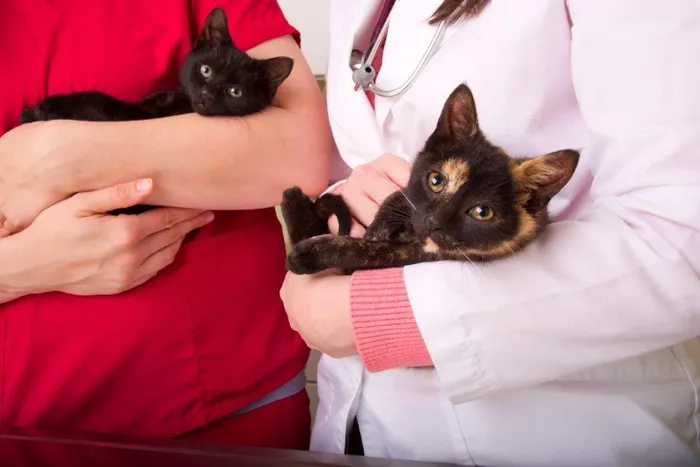
Regular check-ups with your vet and getting to know what “normal” looks like for your cat will ensure you catch conditions before they become serious health problems for your pet.
Image: Supplied
Animal lovers often joke that while dogs have owners, cats have staff. This humorous quip serves as a reminder of the fierce independence embedded in the feline character. However, this self-sufficiency can pose a challenge when it comes to recognising health issues. “Cats are experts at hiding pain,” warns Dr Tarryn Dent, Business Unit Director: Companion Animals at Zoetis South Africa. “Early action is key to prevention and better outcomes.”
Dr Dent highlights six prevalent health conditions that cat owners should be vigilant about:
Identifying these conditions early can significantly enhance the likelihood of successful treatment. This proactive approach not only spares your feline friend from unnecessary discomfort, but can also mitigate financial burdens associated with veterinary bills.
Dr Dent advocates for routine veterinary visits, recommending that most cats receive an annual check-up. However, kittens, senior cats, and those with chronic conditions may benefit from more frequent visits.
During these appointments, veterinarians perform essential assessments, including:
Understanding your cat's unique 'normal' is crucial. “If you know your cat well, you can start to pick up subtle changes,” Dr Dent notes. These changes, while minor at first, can often be the first indicators of underlying disease.
Dr Dent suggests that cat owners take note of changes in behaviour or habits, such as:
“If you notice any changes, don’t wait for the annual check-up; take your cat to the veterinarian,” Dr Dent advises. Regular check-ups, vaccinations, and keen observation of your pet can dramatically improve their well-being.
This Cat Health Month, commit to ensuring your cat lives a long, happy, pain-free life by embracing a proactive health care strategy.
IOS