
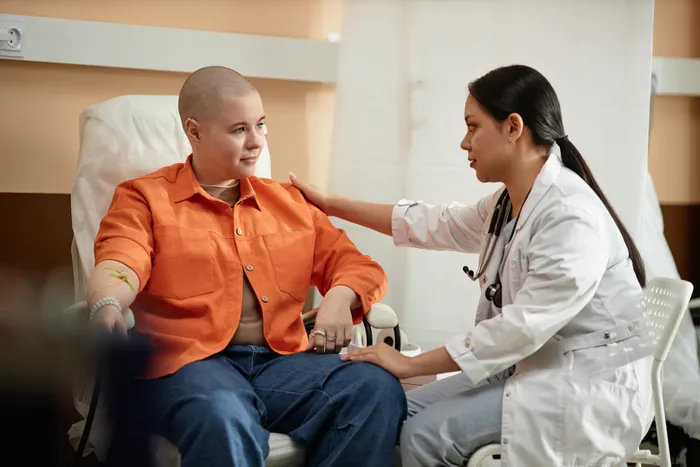
Cancers traditionally associated with older demographics are increasingly affecting younger populations. With diagnoses rising among those under 50, experts are sounding the alarm on the importance of awareness and early intervention to combat this concerning trend.
Image: iStock
Cancer has traditionally been regarded as a disease that primarily affects older populations. However, emerging data paints a strikingly different picture: a disturbing uptick in cancer diagnoses among individuals under the age of 50, often presenting without warning and at advanced stages. This shift is prompting experts to call for greater awareness and early intervention.
“We are seeing more cancer in people under 50 than ever before,” said Vanessa Snow, head of Medical Affairs at Johnson & Johnson Innovative Medicine South Africa. “It is no longer an outlier occurrence.” According to Snow, this surge is becoming increasingly prevalent among those in their thirties and early forties, raising alarms within the medical community.
Breast cancer, the most commonly diagnosed cancer among women, is experiencing a notable increase in younger age groups. Snow noted that the number of breast cancer cases among women under 40 is increasing globally, including in South Africa. “This trend is alarming and demands our urgent attention,” she said.
Colorectal cancer, too, is following this worrying trajectory. Once considered a diagnosis predominantly seen in middle-aged individuals, it is now being diagnosed in young adults in their 20s and 30s. “Many only seek help when the disease has progressed to late stages, as they do not expect such a diagnosis at their age,” Snow remarked. Indeed, the University of Cape Town has reported that nearly 25% of colorectal cancer cases are diagnosed in individuals under 50, with a significant portion under 40. This alarming statistic is particularly striking among young Black South Africans, who often face these diagnoses without any known genetic risk factors.
Awareness is critical, especially for young men facing significant health threats like testicular cancer. Lauren Pretorius, CEO of Campaigning for Cancer, pointed out that the lifetime risk of testicular cancer stands at approximately one in 250 men, with the disease most commonly diagnosed in younger males aged 20 to 40. “It is more important than ever for young men to understand their risks and pay attention to changes in their bodies,” she urged.
Beyond these well-documented cancers, other types that have historically been associated with older age groups are also increasing. Snow indicated that pancreatic cancer is increasingly appearing in people in their twenties and thirties. Additionally, cases of kidney, thyroid, and stomach cancers are becoming more prevalent in individuals under 50, paralleling global epidemiological studies indicating a rapid increase in cancer types among younger populations.
This worrying trend is not coincidental. Snow cited factors such as poor diet, rising obesity rates, lack of exercise, and heightened stress levels affecting younger generations. Furthermore, smoking and alcohol consumption are often starting earlier, coupled with exposure to environmental toxins, whether known or not. “Some cancers are being detected incidentally during imaging for unrelated issues, raising concerns about how long these diseases may have gone unnoticed,” she explained.
Compounding the issue, most existing cancer screening guidelines continue to predominantly focus on older adults. “This gap is costing lives,” Snow warned. “When younger patients present with unusual symptoms, medical professionals frequently attribute them to benign causes. If they finally undergo testing, the cancer may already be advanced.” She said the evolving profile of cancer necessitates an equivalent evolution in clinical and public health responses.
Pretorius reiterated the importance of this message, saying that “persistent or unexplained changes in the body should never be ignored.” As cancer diagnoses become more prevalent in younger adults, it is vital for individuals to stay informed about their health. Understanding warning signs and seeking prompt medical advice can be life-saving. “If something doesn’t feel right, trust yourself and get it checked,” she noted.
IOS