
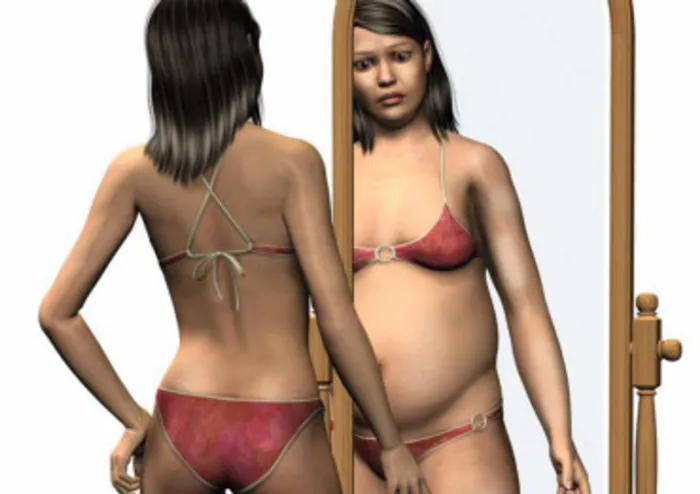
As Eating Disorder Awareness Week approaches, experts say it's crucial to unravel the myths surrounding eating disorders, and warn that these serious conditions can affect anyone, irrespective of their size.
Image: File
As the world gears up for Eating Disorder Awareness Week from February 24 to March 2, it is crucial to dispel the myths surrounding these often-misunderstood conditions. Fierdous Achmat, an occupational therapist at Netcare Akeso Montrose Manor, highlights that the pervasive belief that eating disorders exclusively affect the thin population is not only inaccurate but also dangerous. Eating disorders can manifest across a broad spectrum and often remain unnoticed by medical professionals and loved ones until it is too late, she said.
According to Achmat, initial signs such as picky eating habits or altered meal timings might not raise immediate concerns among friends or family. “Many might view these behaviours as a passing phase,” she notes. “However, these changes are often indicative of a deeper issue. Eating disorders represent urgent health crises that require timely intervention, as early treatment can significantly improve outcomes.”
The rise of eating disorders in Southern Africa reveals a troubling trend. “Research suggests that up to 37.5% of young people in the region may exhibit clinically significant disordered eating behaviours or attitudes,” Achmat warns. This upsurge reflects a global phenomenon, with estimates indicating that about 8.4% of women and 2.2% of men will experience an eating disorder at some point in their lives.
When left undiagnosed, eating disorders can inflict severe long-term damage, impacting both physical and cognitive health. “The potential risks include premature death due to various health complications, and unfortunately, even suicide,” Achmat emphasises. “This highlights the critical need for professional help.”
Eating disorders encompass a wide range of conditions beyond the well-known anorexia nervosa and bulimia nervosa, which are characterised by noticeable weight loss. Conditions such as binge eating disorder, avoidant/restrictive food intake disorder, and pica (the consumption of non-food materials) often go unrecognised, as they may not lead to significant weight fluctuations. “One cannot assume that a person is free from serious eating disorders based solely on their body size,” Achmat stresses.
Among the various eating disorders, binge eating disorder is alarmingly prevalent. “It is more common than anorexia and bulimia combined and affects an estimated 1% to 3% of the population,” says Achmat. Typically, those experiencing this disorder may live in larger bodies, and unfortunately, health practitioners may overlook psychological assessments in favour of focusing on weight management. This lack of awareness surrounding binge eating disorder leads to delayed diagnoses and prolonged suffering.
Furthermore, the stigma surrounding eating disorders often perpetuates silence. Achmat notes, “The perception of shame, secrecy, and fear of judgement often stops individuals from disclosing their struggles.” In the absence of appropriate support, the psychological distress associated with these conditions can be profound.
Achmat also highlights the inadequate access to specialised eating disorder services in South Africa which often results in fragmented treatment and delayed diagnoses. “Receiving specialised, holistic treatment is critical,” she says. “Without the necessary support, overcoming an eating disorder becomes immensely challenging, but the right treatment can lead to restoration and even save lives.”
It’s vital to acknowledge that eating disorders do not discriminate based on size, age, gender, or race. “Eating disorders are not primarily physical illnesses but rather indications of an underlying mental health crisis,” Achmat concludes. Recognising the symptoms early and encouraging individuals to seek help can undeniably change lives.
If you or someone you know exhibits signs associated with eating disorders, such as odd eating rituals, excessive exercise, or avoidance of food, reaching out for professional help is paramount. The sooner someone receives treatment, the more likely they are to achieve sustainable recovery.
IOS