
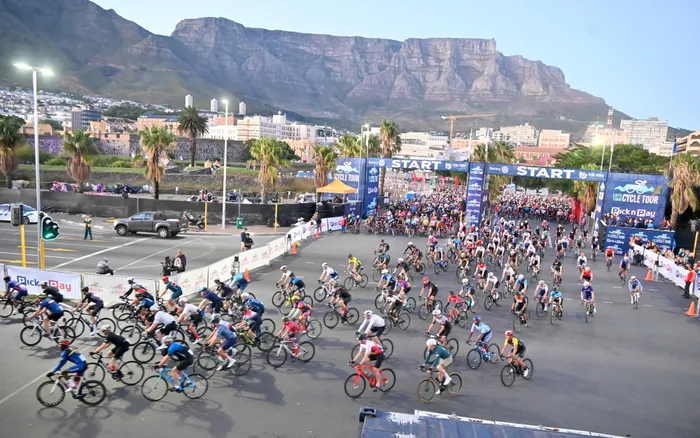
Major routes across Cape Town will close from Thursday to Sunday as the 2026 Cape Town Cycle Tour winds through the CBD, southern suburbs, Atlantic Seaboard and False Bay.
Image: File: Ayanda Ndamane/ Independent Newspapers
As the iconic Cape Town Cycle Tour approaches on Sunday, March 8, the anticipation is palpable among cycling enthusiasts. Beyond the thrill of the ride, participants must also prepare their bodies for the challenges that await. Dr Darren Green, Medical Director for the Cape Town Cycle Tour from Mediclinic, shares crucial insights that can significantly enhance performance and safety on race day.
Fatigue is often the hidden culprit behind muscle cramps during long-distance cycling. Contrary to popular belief, cramps are typically linked to neuromuscular overload rather than low magnesium levels. Dr Green highlights the importance of aligning pacing, conditioning, hydration, and muscle endurance to mitigate this risk.
“If a cramp occurs during the race, riders should pull off the road safely, gently stretch the affected muscle and allow it to settle before continuing,” advises Dr Green. “Pushing through severe cramping increases the risk of falls and further injury.” This guidance underscores the need for riders to listen to their bodies and act decisively to ensure both personal and public safety on the roads.
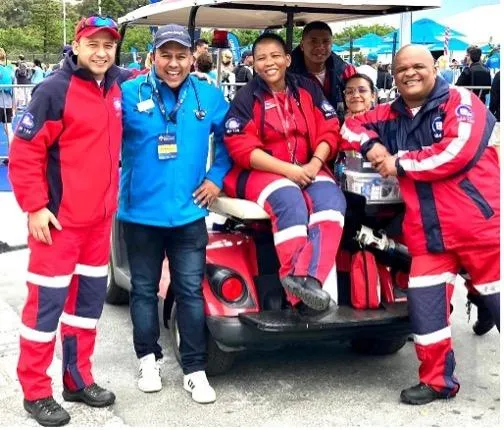
Mediclinic medical station personnel will be ready to attend to riders at the Cape Town Cycle Tour this weekend.
Image: Supplied
Race day is not the ideal time to experiment with new nutrition strategies. Dr Green strongly recommends that riders rely on the fuelling routines they have honed during training. He suggests sticking with familiar electrolyte drinks available along the route while maintaining a steady carbohydrate intake throughout the race. Small amounts of protein can also prove beneficial for sustaining energy over longer distances.
“Be cautious with stimulant-heavy products,” warns Dr Green. “Excess caffeine can elevate heart rates, disrupt pacing, and increase the risk of dehydration. The goal should always be to maintain sustained energy rather than experience a rapid spike followed by a crash.”
For cyclists managing chronic conditions, consistency with medication is imperative. Whether dealing with asthma, epilepsy, hypertension, diabetes, or heart conditions, Dr Green stresses the need to adhere to prescribed medication schedules.
“Race day is not the time to skip or adjust medication,” he emphasises. Riders should also exercise caution around pain medications. Non-steroidal anti-inflammatory drugs (NSAIDs), for instance, can strain the kidneys when dehydration is a concern and may lead to gastritis. Similarly, codeine-based medications could impair reaction time and concentration, compromising rider safety.
Allergy sufferers should ensure that their EpiPen or adrenaline injector is easily accessible throughout the event to manage any unexpected allergic reactions.

Dr Darren Green, Medical Director for the Cape Town Cycle Tour from Mediclinic.
Image: Supplied
Recovery begins the moment riders cross the finish line. Abruptly stopping after intense exertion can lead to dizziness due to blood pooling in the lower body. Instead, riders should keep moving, rehydrate immediately, replace electrolytes, and refuel within 30 minutes of finishing. A convenient and effective recovery option is chocolate-flavoured milk, known for its ideal carbohydrate-to-protein ratio that aids in glycogen restoration and muscle repair.
Dr Green strongly advises that those feeling unwell should forgo participation. Symptoms such as fever, chest pain, unexplained dizziness, severe fatigue from illness, persistent vomiting or diarrhoea, or those currently taking antibiotics warrant a withdrawal from the race.
“If symptoms develop during the race, riders should visit the nearest Mediclinic medical station before continuing,” he urges. “Your health is always more important than a finish time.”
Endurance sports are built on discipline and preparation. Riders are encouraged to approach race day with a balanced strategy that prioritises safety, smart pacing, and proper recovery, enabling them to enjoy one of the world’s most scenic cycling events without compromising their well-being.