
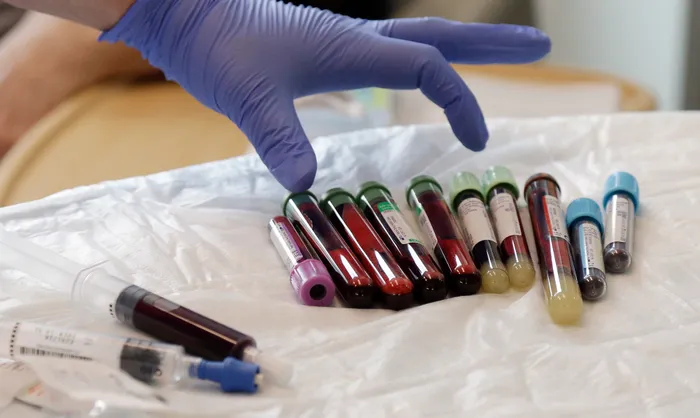
For someone with haemophilia, the blood clotting process doesn’t work as it should, leading to prolonged bleeding from even minor injuries.
Image: File
Ahead of World Haemophilia Day on Friday, April 17, the World Federation of Haemophilia estimates that over one million people globally are living with bleeding disorders, many of whom remain undiagnosed.
Health cover provide Affinity Health says haemophilia is a rare but significant bleeding disorder. An inherited disorder that hinders blood’s ability to clot, it results in prolonged bleeding after injuries or medical procedures. While the more prevalent type, haemophilia A, affects approximately 1 in every 5,000 live male births, haemophilia B is less common. The disorder impacts individuals of all races and ethnic groups.
Typically passed down through generations, haemophilia is primarily a male condition due to its link to the X chromosome. However, females can be carriers and may exhibit symptoms. Early childhood is when most signs surface, particularly as children engage in more physical play and become more prone to bumps and bruises.
The severity of haemophilia varies:
Should joint bleeds, particularly in areas like the knees or ankles, go untreated, they may lead to chronic joint damage.
Despite growing awareness, numerous myths about haemophilia continue to exist:
World Haemophilia Day is used to raise awareness about this serious condition, empowering those affected by it, and creating a supportive community for all.
Image: Supplied
Advancements in treatment have significantly improved both life expectancy and quality of life for individuals with haemophilia. The primary treatment, clotting factor replacement therapy, replenishes missing components in the bloodstream and can be administered either on demand or prophylactically. Many patients and their families are trained to administer these infusions at home, reducing reliance on hospital visits.
Preventive care plays a vital role in managing daily life:
Dental health is equally important, as gum disease or dental procedures can increase bleeding risks. Early diagnosis, education for parents, and awareness of internal bleeding signs — like swelling or reduced joint movement — are essential for effective management.
Living with haemophilia transcends physical health; it can also inflict emotional and social strains. Children might feel excluded from sports or activities, while adults face concerns about job security and medical expenses. Support from patient groups, counselling services, and community organisations plays a critical role in helping families navigate these challenges.
Encouragingly, advancements in treatment now ensure much better outcomes for individuals with haemophilia, with promising new developments in long-lasting clotting factors and ongoing research into gene therapy paving the way for more effective, simplified care.
Although many bleeding episodes can be managed at home, immediate medical attention is crucial if patients experience:
Living with haemophilia entails continuous management and education, but it should not define a person’s capabilities or future. Enhancing understanding is vital for improving health outcomes and dispelling myths surrounding this condition.