
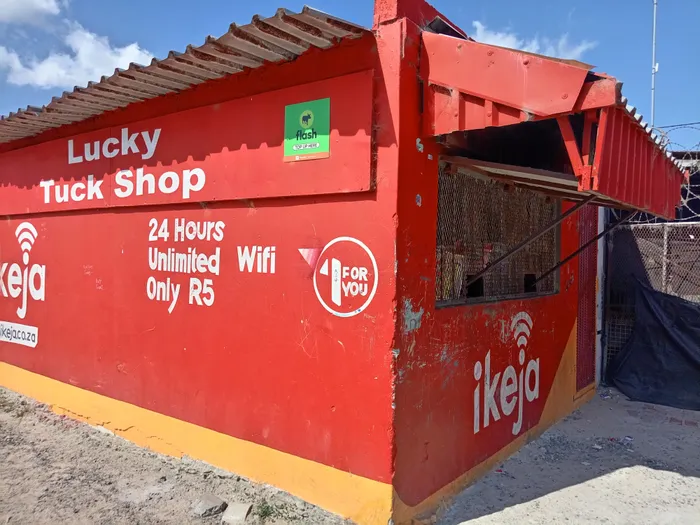
The Minister of Small Business Development, Stella Ndabeni-Abrahams, has admitted that the rollout of the R500 million Spaza Shop Support Fund (SSSF) has slowed
Image: File
The Minister of Small Business Development, Stella Ndabeni-Abrahams, has admitted that the rollout of the R500 million Spaza Shop Support Fund (SSSF) has been slowed by operational, compliance, and structural challenges.
This comes as spaza shop owners across townships and rural areas continue to struggle with meeting the fund’s compliance requirements, including obtaining trading permits, business licences, and Certificates of Acceptability.
The fund was established to help township and rural spaza shop owners improve, expand, and sustain their businesses by providing financial and non-financial support.
In a parliamentary reply to questions posed by uMkhonto weSizwe MP Delisile Ntshaba, Ndabeni-Abrahams said the slow uptake of applications was largely due to many spaza shop owners lacking the required permits and licences.
"The Small Enterprise Development and Finance Agency (SEDFA) continue to experience difficulties verifying the authenticity of trading permits, business licences, and Certificates of Acceptability (COAs) issued by municipalities. These verification delays hinder the timeous approval of applications," she said.
"Many municipalities lack the necessary business licensing officials and Environmental Health Practitioners (EHPs). As the Businesses Act requires that licences can be issued only after health and spatial planning requirements have been met, municipalities remain heavily dependent on district municipalities to provide EHPs. This limited capacity delays licensing processes and impacts applicants' readiness."
She also revealed that the department is implementing measures to address the delays.
"The recommended approach is that municipalities issue temporary permits and Certificates of Acceptability as conditional licences in terms of the Business Licensing Act, while they work to address the challenges outlined above. In addition, spaza shop owners will be afforded a 12-month period from the date of disbursement to comply with all other relevant legislative and registration requirements necessary for lawful operation.
"This approach ensures a minimum threshold of food safety and hygiene compliance, while enabling timely disbursement of funding to qualifying spaza shop owners. I will be issuing formal communication to all mayors in this regard"
IOL Business
mthobisi.nozulela@iol.co.za