
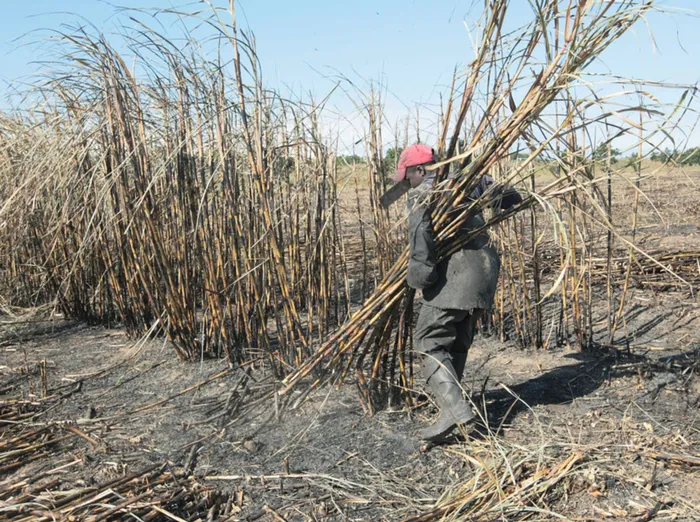
SA Canegrowers have called on the government to scrap the sugar tax,
Image: Simphiwe Mbokazi/Independent Newspapers
SA Canegrowers has called on the government to scrap South Africa's sugar tax, warning that a surge in heavily subsidised imported sugar is threatening local jobs and the survival of the domestic sugar industry.
In a statement released to the media on Tuesday, the group said 153,344 tons of imported sugar entered South Africa between January and September 2025, compared to just 20,924 tons in the same period in 2020.
SA Canegrowers said the cheap imports were displacing local sugar and putting huge pressure on small- and large-scale growers who support more than one million jobs in KwaZulu-Natal and Mpumalanga.
“Imported sugar is often heavily subsidised in exporting countries, but the only people who benefit are the agents who import the sugar into South Africa and are often able to reap high short-term profits by selling the sugar at local market prices,” said Higgins Mdluli, chairman of SA Canegrowers.
Based on its own analysis of SARS data, the organisation said that the surge in imports is the highest in South Africa’s history for the January to September period, far exceeding the previous peak of 55,213 tons in 2024.
“In this environment, protecting South Africa’s domestic market is critical. Without effective safeguards, local growers are forced to compete against dumped imports while simultaneously facing policies that suppress local demand. Allowing imported sugar to displace locally produced sugar under these conditions undermines food security, erodes rural economies and places a strategic agricultural sector at long-term risk,” Mdluli said.
SA Canegrowers called on the government to strengthen import protections and scrap the sugar tax, and urged consumers to support locally produced sugar. It said that since the introduction of the sugar tax in 2018, around 16,000 jobs have been lost in the sugar industry.
“The sugar tax is an unproven policy experiment with very real consequences for rural jobs and investment,” said Mdluli.
“Any future decisions must be informed by a balanced assessment of health data and a calorie-intake survey of South Africans, balanced with the impact on the economy and on the sustainability of local food production. Saving the sugar industry is not just about growers; it is about communities, jobs and South Africa’s ability to produce its own food.”
mthobisi.nozulela@iol.co.za
IOL Business