
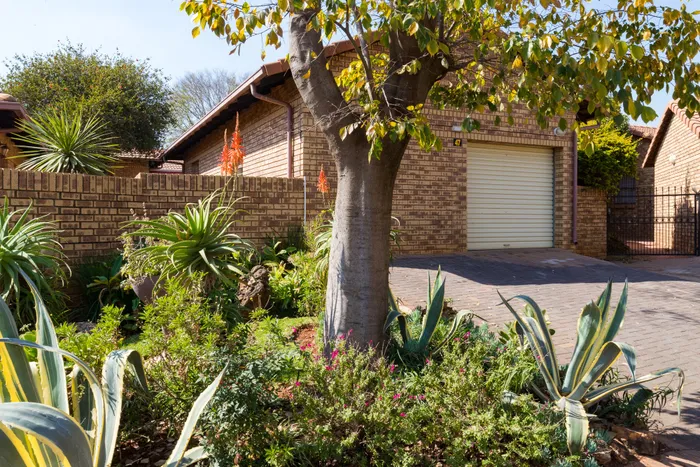
Capetonian prefer flats over houses.
Image: Supplied
South Africa’s major cities are quietly reshaping themselves, and Statistics South Africa’s latest ten-year review shows just how differently each metro imagines its future neighbourhoods.
Some cities prefer to sprawl, stretching outward with more free-standing homes. Others are pushing upward with apartment blocks.
And a few are experimenting with a bit of both, the agency’s latest research for between 2014 and 2023 shows.
The result is a country where the skyline – and the suburbs – tell you almost everything about what people want, what developers are pushing, and how each city sees itself.
Cape Town, for example, has been the star performer over the past decade. It completed the most new homes overall, and it led the way in both free-standing houses and flats.
If it feels like Cape Town is dotted with cranes, it’s because it has been building fast and building vertically. Forty percent of its new homes were flats, showing a city shifting toward denser, urban living.
Johannesburg, by contrast, is all about clusters. Townhouses have become the metro’s preferred way of adding homes – and it built far more of them than any other metro.
There was even a sharp spike in 2019, showing the market’s sudden appetite for secure, lock-up-and-go living.
While townhouses soared, flats barely registered, making up just one percent of new residential units. In Joburg, people are going for compact living – just not in high-rises.
Tshwane’s story sits somewhere in the middle. The capital city saw a healthy mix of free-standing homes, townhouses and flats before the pandemic, especially in 2018 and 2019.
Unlike Cape Town and Johannesburg, its overall building activity hasn’t yet bounced back to pre-2020 levels.
Then there are metros that still hold tightly to traditional suburban expansion. In Buffalo City, Nelson Mandela Bay and Ekurhuleni, the overwhelming preference is for free-standing homes.
These are cities that continue to build out rather than up, reinforcing the classic South African pattern of houses with yards instead of compact, vertical living.
eThekwini’s landscape is closer to Cape Town, with flats making up a sizeable portion of new homes.
Here too, developers seem confident that apartment living is becoming part of the city’s future.
Viewed over time, the trend lines tell a richer story.
Cape Town has clearly pivoted from houses to flats. Johannesburg embraced an era of townhouses.
Tshwane flirted with balance, then slowed. Ekurhuleni stayed steady with free-standing homes decade after decade.
IOL BUSINESS