
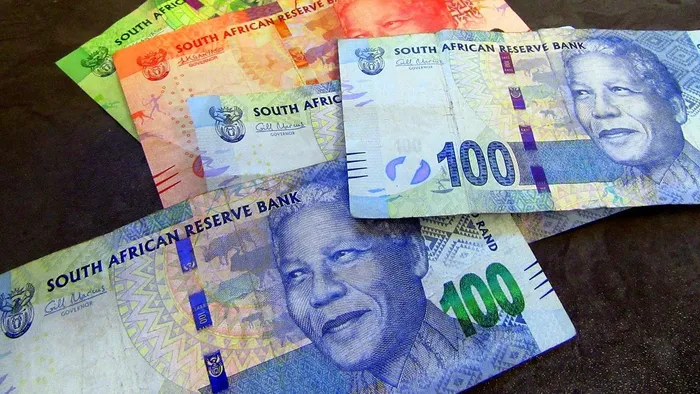
South Africa's currency is taking the brunt of an emerging market fallout.
Image: Needpix.com
Having dropped as low as R16.90 in early morning trade, the rand had recovered somewhat by mid-morning but was still substantially lower than before the war in the Middle East.
Trading Economics noted that the currency had hit its lowest level since 7 April against the dollar as traders sought refuge in the greenback amid ongoing Middle East uncertainty and rising oil prices.
“The rand has taken the brunt of the sell-off in riskier assets, falling to R16.90 in the Far East this morning,” said TreasuryONE currency strategist Andre Cilliers. By mid-morning, the currency was just above R16.80.
Investec chief economist Annabel Bishop recently pointed to the currency experiencing the greatest volatility out of a basket of emerging market fiats. It was ranked at the bottom of twenty-one currencies with the Philippine Peso, Thai Baht, South Korean Won, Hungarian Forint and Mexican Peso.
The Corporate Finance Institute notes that the rand, which made its debut in 1961, traded stronger than the greenback for its first ten years in existence.
“Over the next decades, the rand’s value relative to other currencies declined substantially due to inflation and, more importantly, due to increasing international opposition to South Africa’s policy of apartheid,” the website said.
By 1985, the rand was trading at an exchange rate of R2 rands before dropping to R3 by 1992, R6 by 1999 and surging to nearly R14 by 2001.
Cilliers pointed out that the currency lost over 2.2% from yesterday's opening levels and is likely to remain under pressure from the jump in oil and the stronger Dollar in the short term.
Brent crude rose 5.7% on Trump's prolonged blockade comments, amid rising supply disruption concerns and is now $125.10 per barrel, said Cilliers.
“At the same time, prices of key precious metals such as gold fell, as investors weighed heightened inflation concerns ahead of key central bank decisions,” Trading Economics said.
South African Governor Lesetja Kganyago recently signalled that the central bank will respond to any persistent inflationary pressures stemming from the Middle East conflict, while reiterating its strong commitment to the 3% target.
March inflation stayed close to target, but rising fuel and electricity costs pose an upside risk in the months ahead. “Economists remain split on the policy outlook, with some expecting 6.75% through year-end and others pricing in a 25 basis-point hike in May,” said Trading Economics.
IOL BUSINESS