
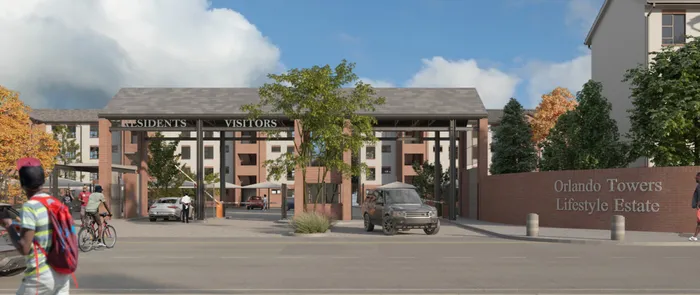
Around the world, buyers are choosing communities that offer more than just property ownership.
Image: Supplied
Property buyers are becoming increasingly concerned with places that feel safe, convenient, close to nature, and where they have a sense of community.
For many, these can be found within lifestyle-focused estates.
Response to modern buyer needs
Lifestyle estates and community-focused developments are a response to what modern buyers value the most, says Adrian Goslett, the CEO and regional director of REMAX Southern Africa.
“People want to live where everyday life feels safer, more convenient, and more meaningful. Whether that means having access to walking trails, reliable security, or even a sense of belonging.”
However, this shift is not unique to South Africa, but part of a global move towards more accessible lifestyle living, says Barbara Larney, broker-owner of REMAX Wine and Whales in Hermanus.
Global property buyer shifts
“Around the world, buyers are choosing communities that offer more than just property ownership. Master-planned neighbourhoods in the UAE, wellness-focused developments in Europe, and waterfront communities in the United States all demonstrate a growing desire for richer daily experiences.
"People want green space, convenience, security, and a sense of belonging, and South African buyers are no different,” she explains.
There is a growing interest in eco- and wildlife estates, says Annie van den Berg, broker-owner of REMAX Wildlife Properties in Hoedspruit.
She attributes this to more buyers wanting to leave city life in favour of safer communities and a better overall quality of life. Beyond these lifestyle benefits, estates are also shifting in who they are built for.
Lifestyle developments emerging
Across the country, a new wave of lifestyle developments is said to be emerging, extending beyond the traditional golf and luxury estates. What was once reserved for high-income buyers has now become increasingly designed with the middle class in mind, catering to the needs of modern home buyers: young professionals, growing families and retirees.
“Globally, countries like Mexico, Brazil, and parts of Asia have successfully implemented middle-income estates combining lifestyle, affordability, and community management.
"South Africa has the opportunity to do the same, making the dream of homeownership a reality for a larger segment of the population, while building sustainable, well-maintained communities,” Larney says.
While there are various pull factors towards lifestyle-focused communities, Goslett cautions buyers to look past the glossy brochures.
“As with any purchase, buyers should do further research before committing to a lifestyle estate. Take time to review the levy structure and what it really covers, understand the estate’s governance rules and long-term maintenance plans, and weigh up whether the amenities truly align with your lifestyle needs.
"Most importantly, work with a knowledgeable property specialist who understands the dynamics of the estate,” he advises.
Lifestyle-focused vs suburbs
REMAX Southern Africa says while it did not foresee lifestyle-focused communities replacing traditional suburbs, there is no doubt that they are redefining what “modern living” can look like.
As South Africa’s property market is ever-changing, expect growth in developments that combine safety, the real estate agency says.
Recently, the Heriot REIT Limited celebrated a significant milestone with a sod-turning ceremony marking the beginning of the construction phase of its new student accommodation development, The Fibonacci, in Mowbray, Cape Town.
The project is driven by the experienced Heriot REIT development team: Steven Herring, Grant Elliott and Daryl Sher. It responds directly to the city’s growing demand for quality, accessible student housing, particularly for students attending the University of Cape Town (UCT) and neighbouring institutions.
It is located just 1.5 km from UCT and within close reach of Damelin and Cape Peninsula University of Technology (CPUT), the development offers strong connectivity for students. The Fibonacci sits along the well-used Jammie Shuttle UCT bus route and is within walking distance of the local Metrorail station, making it a convenient and accessible residence for students moving around the city.
Once complete, the nine-storey development will provide 574 contemporary student residential units, supported by an integrated lifestyle offering that includes ground-floor retail, co-working spaces, parking, a gym, rooftop terrace and padel courts.
A Shoprite Checkers store will anchor the retail component, ensuring a convenient on-site amenity for residents and strengthening the development’s standing within the Mowbray neighbourhood. A limited number of apartments for sale were launched at R1.195 million.
Independent Media Property