
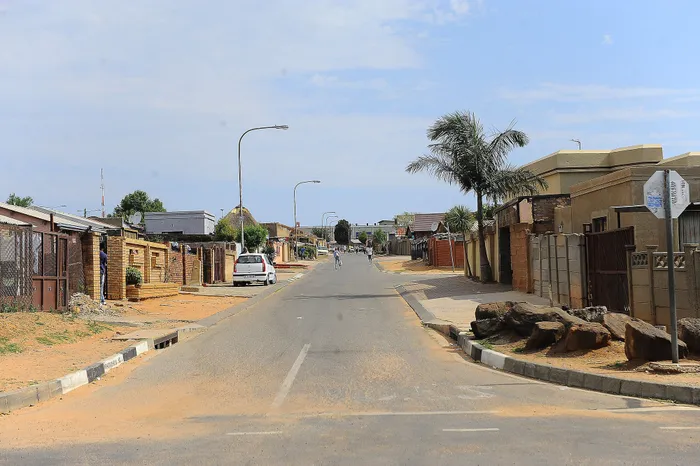
Energy, water, security and municipal reliability now influence pricing as much as location.
Image: File
The May interest rate decision by the South African Reserve Bank Monetary Policy Committee, due this afternoon, finds South Africa’s property market looking stronger on paper than it feels on the ground.
Rates have eased from their peak, says Zibusiso Nzimande, managing director at Isphetho Developments. He notes that the repo rate currently sits at 6.75%, with prime at 10.25%, offering real relief for bond holders.
“We see it in our sales office at Inqaba Views,” he says. “Enquiries are up, and buyers who were sitting on the fence 12 months ago are now running numbers again.”
However, the developer says that this relief is uneven in practice.
Homeowners remain stretched. While repayments have dropped by roughly R1,200 to R1,500 per R1 million since the cutting cycle began, increases in municipal tariffs, insurance and school fees have outpaced those savings. Many households are using the relief to catch up on arrears rather than upgrading.
Tenants are under pressure. Rental demand remains strong and vacancy rates are low in well-performing stock.
By “good rental stock,” the company refers to well-managed sectional title or estate units with strong security, functional body corporates, below-average levies, energy and water resilience for common areas and proximity to jobs, schools and retail.
These units typically let within two to four weeks. Poorly managed blocks, by contrast, take far longer to fill. Landlords are still pushing escalations to recover high-interest years, keeping rental growth above inflation in prime nodes.
Investors are back, but selective. Appetite has returned, but investors are underwriting deals more cautiously, with different asset classes assessed on very different metrics.
Developers are building again, but lean. Construction costs remain elevated, funding is still expensive, and banks continue to require strong pre-sales.
As a result, developers are phasing projects, reducing unit sizes and prioritising developments that are cheap to own, not just cheap to buy.
According to Isphetho Developments, key sector dynamics remain split:
Residential: Demand is driven by affordability and total cost of ownership. Activity is strongest in secure sectional title and estates under R2 million.
Buyers prioritise low levies, backup power and water, and shorter commutes. First-time buyers are returning gradually, but access to finance remains the main constraint.
Hospitality: Recovery is uneven but improving. Coastal leisure markets such as the Cape Town Atlantic Seaboard and KwaZulu-Natal North Coast continue to benefit from domestic tourism and recovering international arrivals.
Key metrics include occupancy, average daily rate, and strict control of operating costs, particularly energy. Investors increasingly favour assets that can shift between short-stay and corporate demand.
Retail: The market has split. Large regional malls remain under pressure due to weak discretionary spending, while convenience and neighbourhood centres anchored by groceries, pharmacies and essential services remain resilient.
Performance is driven by footfall, tenant mix weighted to necessities, and rental structures that can absorb rising costs. Landlords are increasingly focused on everyday demand rather than fashion-led retail.
Industrial: The standout performer. Demand is driven by logistics, e-commerce fulfilment and light manufacturing requiring access to key transport corridors such as the N3, N1 and port networks.
Core fundamentals include height clearance, yard space, power supply and proximity to labour. Vacancies remain low in prime logistics nodes, with strong rental growth attracting institutional capital.
Across all four sectors, the common thread is operational resilience. Energy, water security, safety and municipal reliability now influence property pricing almost as much as location.
The company says that the market remains stable but fragile for several reasons:
Jobs and affordability: With unemployment still around 33%, the pool of qualified buyers remains limited. Interest rate cuts support existing borrowers but do not expand the buyer base significantly.
Geopolitical pressure: Ongoing tensions in the Middle East keep oil prices volatile, feeding directly into transport, construction materials and diesel costs. This also keeps the South African Reserve Bank cautious, slowing the pace of rate cuts.
KZN environmental recovery: The April 2022 floods reshaped buyer behaviour, with increasing scrutiny on flood lines, stormwater systems and elevation before finishes.
Municipal upgrades remain ongoing, while developers face higher earthworks costs and stricter infrastructure requirements. This has reinforced demand for well-planned estates on higher ground.
Municipal pressure: Even as interest rates fall, many households are losing savings to above-inflation tariffs and unreliable services.
As a result, secure estates with private or semi-private infrastructure are outperforming freehold housing in many areas.
The MPC decision comes at a sensitive time for the sector, says Maphefo Sipula, head of research and impact at Property Point.
She says the property sector remains constrained by high borrowing costs, weak growth and rising inflation driven largely by fuel prices and global uncertainty.
“Recent inflation data, which rose to 4.0% from 3.1% in March, signals that the inflation outlook may become more challenging in the short term,” she says. “Consumer inflation jumped to 4.0% in April from 3.1% in March, driven mainly by fuel price increases. This is the highest print since August 2024, when it was 4.4%. Monthly CPI rose 1.1% in April.”
According to Property Point:
Homeowners remain under pressure as debt servicing costs stay high alongside rising transport, food and living expenses.
Tenants are increasingly absorbing higher rents as landlords pass on financing and operational costs, while affordability tightens.
Developers and SMMEs face elevated funding costs, slowing project pipelines and restricting new development activity.
Investors remain cautious, balancing yield opportunities against inflation risks, uncertainty and uneven recovery.
Overall, while interest rate relief is beginning to filter through, the property market remains defined by caution, cost pressure and uneven recovery across segments.
Independent Media Property