
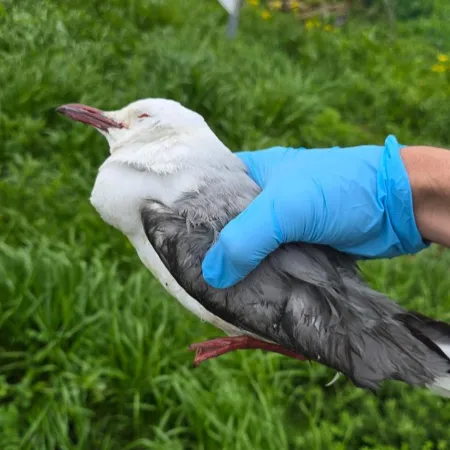
Since early July 2025, a new outbreak of HPAI has been confirmed in wild seabirds across the Western Cape. These are the first wild‐bird detections in the province since April 2024.
Image: SANCCOB/Supplied
The Southern African Foundation for the Conservation of Coastal Birds (SANCCOB) has taken urgent action to strengthen its biosecurity protocols amid a serious outbreak of Highly Pathogenic Avian Influenza (HPAI) affecting wild seabirds along South Africa’s coastline.
HPAI, also known as bird flu, is a viral disease that causes rapid, severe illness in birds. The type of HPAI affecting seabirds in South Africa is officially known as H5N1 clade 2.3.4.4b.
Since July , a new outbreak of HPAI has been confirmed in wild seabirds across the Western Cape. These are the first wild‐bird detections in the province since April 2024.
Wild seabirds infected with HPAI often develop neurological signs such as tremors, head twitches and seizures. Although HPAI occasionally infects mammals and humans, the risk to the public remains very low when basic precautions are followed.
At the beginning of August this year, most of the affected wild birds were Hartlaub’s gulls.
Cases have also been reported in Great White Pelicans, Grey-headed Gulls, Kelp gulls, White-breasted cormorants, Crowned Cormorants and Sacred Ibises. Domestic chickens and ducks have also been affected.
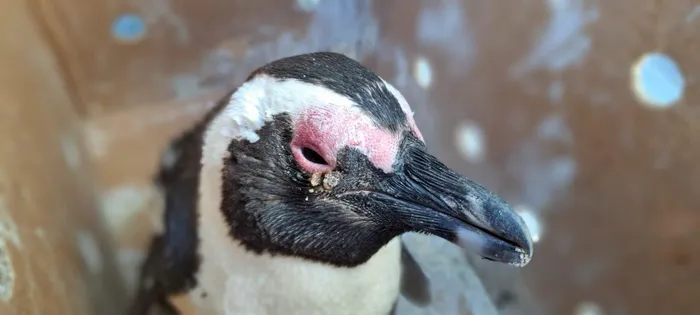
Recently, several cases of HPAI were confirmed in African Penguins.
Image: SANCCOB/Supplied
SANCCOB has played a leading role in response to this crisis, with spokesperson Kyle Johannes stating that their priorities have been to keep their seabird hospitals safe from infection, supporting conservation authorities with wild responder efforts, monitoring the impact on wild birds, and ensuring good animal welfare.
“Our actions include surveillance, working with State Veterinary Services and conservation authorities to monitor and manage the disease... additionally, SANCCOB actively engages the public through media outreach and education on how to report sick and dead birds safely, to help map the outbreak in real time,” Johannes said.
“Recently, several cases of HPAI were confirmed in African Penguins, highlighting the serious risk that the virus poses to already threatened seabird populations.
He said that there have been over 1,000 suspected HPAI cases since June.
He added that SANCCOB’s Cape Town and Gqeberha seabird rehabilitation centres remain operational, with strict biosecurity measures in place to reduce the risk of the disease affecting the birds in their care.
Members of the public are encouraged not to touch sick or dead birds and to report them to the authorities. Sightings of sick or dead seabirds should be reported to SANCCOB’s 24-hour Seabird Rescue Line – 021 557 6155 or 078 638 3731 (Cape Town) or 041 583 1830 (Gqeberha).
SANCCOB has also mentioned that the outbreak is placing heavy financial strain on their resources, from PPE and laboratory testing to quarantine and staffing.
They said that public support fuels SANCCOB’s mission to rescue, rehabilitate, and conserve vulnerable and protected seabirds, with every contribution helping protect South Africa's seabirds - www.sanccob.co.za/donate.
Cape Argus