Why justice is incomplete without emotional and psychological support for families affected by femicide
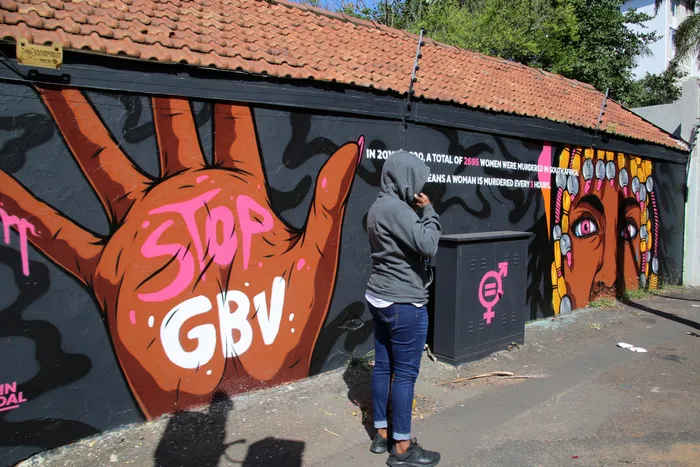
Recent femicide estimates reveal that nearly 50 000 women and girls were killed by their partners last year, with Africa showing the highest number of intimate partner/family member femicide incidences per region, says the writer.
Image: Tumi Pakkies/ Independent Newspapers
THE Bolwana* and Vayo* families are currently at odds with one another over the murder of their first granddaughter, who was brutally killed by her father, Stan Vayo*. The perpetrator has since been arrested, appeared before the Mthatha Magistrates Court, and ordered to undergo a full psychological assessment at the Nelson Mandela Academic Hospital before the criminal case can proceed.
Yet this legal step offers little comfort. Both families remain suspended in grief, trapped in emotional turmoil, guilt, and the profound rupture that femicide leaves within a family system.
This tragedy is not an isolated incident. Globally, recent femicide estimates reveal that nearly 50 000 women and girls were killed by their partners last year, with Africa showing the highest number of intimate partner/family member femicide incidences per region. In South Africa, recent media reports indicate a sharp increase in this crime, however, no official monitor exists which actively tracks cases of femicide when reported.
Conviction rates for the crime are also reportedly low, with less than 1 in 5 of intimate-partner femicide cases ending in a court judgement.
While criminal justice is key to ensuring families and friends of the victim receive the meaningful closure they deserve, current policing and judicial processes lack sensitivity to the psychosocial needs of the bereaved during investigation, trial and post-conviction.
The post-traumatic impact of femicide experienced by those left behind is hardly recognised and prioritised in the quest for justice. Behind each femicide case remains parents, children, relatives and friends of the victim that must face the aftermath of the heinous crime and its psychological aftereffects, which can last for years.
Unique family dynamics can further complicate the bereavement process for parties involved, for example, when the perpetrator shared a child/children with the victim or the perpetrator and their family are closely known to the victim’s family. Therefore, it is imperative for family members and loved ones to receive dedicated emotional wellness support in tandem with the criminal justice process.
The phenomenon of femicide has far-reaching and multifaceted impacts on families, which extend beyond the immediate loss of a loved one. Families of femicide victims frequently endure profound emotional and psychological trauma.
The grief associated with such a violent loss can lead to enduring mental health issues, including depression, anxiety, and post-traumatic stress disorder (PTSD). Research has shown that the psychological ramifications can disrupt family dynamics and individual functioning, often resulting in a cycle of trauma that affects subsequent generations.
This emotional toll is compounded by the fact that femicide often occurs within contexts of intimate-partner violence, where families may already be grappling with existing trauma and stressors.
Children who witness or who are affected by the femicide of a parent face unique and severe challenges. Studies indicate that these children are at a heightened risk for emotional and behavioural problems, which can lead to difficulties in school, relationships, and their own mental health. They may also be at greater risk of experiencing violence in their own lives, creating a generational cycle of violence that is difficult to break.
In communities with high rates of femicide, societal fear and instability can become pervasive, undermining social cohesion and leading to increased violence and criminal activity. This environment can affect not only the immediate families of femicide victims but also the broader community, as fear can stifle social interactions and support networks.
To ensure that access to justice for families and loved ones affected by femicide is trauma-informed and victim-centred, the following mechanisms must be put in place:
Immediate and specialised mental health and psychosocial support: This includes regular access to therapeutic services specific to the psychosocial needs of the families involved. Psychosocial support can involve trauma counselling, group grief therapy and family counselling to help rebuild the shattered family as a result of the violent act. The interventions must be long-term and structured in nature to allow loved ones ample time to process and adjust to the emotional repercussions of femicide.
Provision of quality social welfare services to child victims of femicide: To children who have lost one or both of their parents to femicide (either as perpetrator or victim of the crime), this can be an extremely distressing and unsettling period in their lives. It is crucial that minors who were under the care of the deceased victim be provided with sustained statutory services that seek to always promote the best interests of the children and inclusive of their views, where possible.
A strengthened focus on conflict resolution: As mentioned, femicide cases can often leave families in a state of disarray. Mediation should also be made paramount as part of the criminal justice process for containment of secondary matters that may arise post the gender-related killing such as child custody and family disputes.
Increased advocacy for standardised care-centred reparations for femicide victims across all provinces: Lawmakers must put systems in place within the judicial process that will allow for comprehensive and long-term support for victims of gendered-killings. This includes travel and accommodation costs at the expense of the State during legal proceedings, particularly for family members that reside far from the Court where a femicide case is being heard.
Strengthening of legal frameworks for stricter penalties for violence against women: Government must enforce laws that protect women from domestic violence and harassment, while ensuring that law enforcement agencies are adequately trained to respond effectively to reports of violence. In addition to this, concerted efforts must be made to increase the number of shelters, crisis hotlines and counselling to empower gender-based violence victims and offer them safe avenues to seek help.
Adopt and promote sustainable interventions for attitudinal change in boys and men: Civil society, the private sector and government institutions must play a greater role in engaging men and boys on progressive discussions about gender equality and respectful behaviours to build a culture that does not tolerate violence against women and girls.
Justice for families impacted by femicide must take on a multi-layered approach, one that acknowledges the emotional, social, and psychological dimensions of this devastating crime. While the system remains slow to evolve, families like the Bolwanas, the Vayos, and countless others continue to shoulder the heavy and often invisible burden of grief as they fight for accountability.
The opinion piece is written in memory of girls and women everywhere who have fallen victim to the senseless act of femicide as well as the bereaved families and friends left behind.
*The names of the families and individuals in this piece have been altered to safeguard their identities.
Motloung is a Mental Health and Psychosocial Support Professional at the Centre for the Study of Violence and Reconciliation
CAPE TIMES