
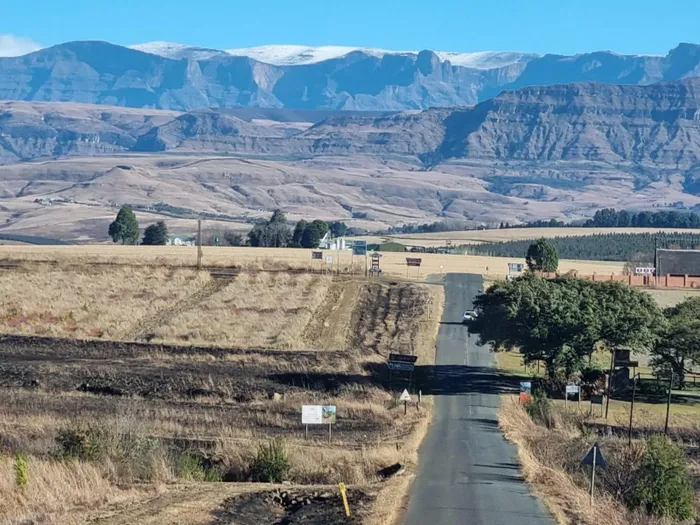
Representatives from the fields of rural development, tourism, and cultural heritage are set to engage at the Riverside hotel, Durban on the 3rd and 4th of December for a rural tourism development workshop.
Image: Annie Dorasamy
Representatives from the fields of rural development, tourism, and cultural heritage are set to engage at the Riverside Hotel in Durban on Wednesday and Thursday for a rural tourism development workshop.
The workshop aims to bring together traditional leaders, government stakeholders, institutions of higher learning, private sector partners, and community organisations to explore strategies for unlocking the economic potential of rural tourism.
Bongani Shongwe, the executive director of the co-hosts Shukuru Foundation, said the main aim of the workshop was to empower and engage traditional leaders on rural tourism opportunities.
Shongwe stressed that communities that host traditional events attracting tourists were not reaping the benefits. “When tourists arrive, they don’t sleep in rural communities, but instead use hotels and bed-and-breakfast establishments in urban areas, which is of no benefit to rural communities.
“We want to tap into these opportunities by establishing community bed-and-breakfasts so that rural communities can benefit,” he added.
Shongwe noted that although rural tourism in the province was showing active growth through the development of themed routes, cultural experiences, and adventure activities, rural communities were not cashing in on the spin-offs.
According to Shongwe, rural communities faced high youth unemployment rates and view rural tourism as an option to significantly reduce the dearth of jobs.
He added that in order to ensure the safety of tourists and tourism infrastructure, engaging community members and getting consent from rural governance structures are required before scheduling cultural events that draw tourists.
“If community members are included and are benefiting from rural tourism opportunities, they are more likely to protect both the infrastructure and the tourists,” he said.
Shongwe highlighted that some of the strategies needed to promote and develop rural tourism include supporting rural governance structures by making them more familiar with technology.
He also said that participation and benefit in rural tourism services should prioritise people from rural communities through educational initiatives and by supporting business efforts.
Some of the key objectives of the workshop include:
DAILY NEWS