
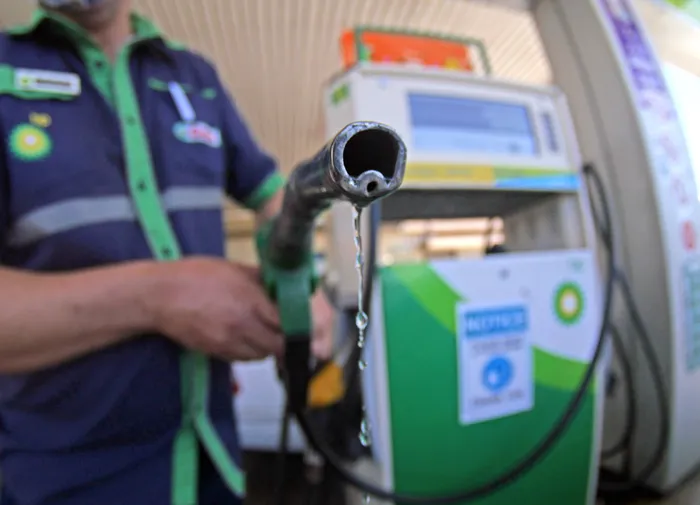
DECEMBER SHOCK: Petrol rise is set to rise
Image: File
The world is awash with the victims of intolerance.
Over the past 20 years, scores of thousands have lost their lives to hatred and bigotry. As we witness a new dawn, let us urgently display tolerance.
Tolerance is a supreme quality that forms the bedrock of any society. In an age where electronic media has drawn us closer together into a so-called global village, its benefits will only be felt when mutual goodwill, respect, and understanding prevail.
The world is full of diversity, and that is the beauty of our universe. Without tolerance and harmony, lasting peace cannot be maintained, nor can loyalty and trust between people be established.
Bigotry, stereotyping, stigmatization, insults, and racial jokes are all daily reminders of the intolerance many people face. Intolerance breeds further intolerance, and it is often rooted in ignorance and fear – fear of the unknown, of other cultures, nations, or religions.
Tolerance recognises the universal human rights and fundamental freedoms of others. People are naturally diverse, and only tolerance can ensure the survival of communities on this planet. One step toward establishing tolerance is the removal of religious prejudice. The world would be a better place if leaders promoted tolerance over hatred.
Even today, despite widespread maturity and awareness of others’ values, cultural intolerance remains rampant. As Voltaire wisely said: “What is tolerance? It is the consequence of humanity. We are all formed of frailty and error; let us pardon reciprocally each other’s folly; that is the first law of nature.”
No meaningful dialogue can take place without respect for human rights, the rule of law, democratic principles, and spiritual values.
Sincere tolerance highlights the imperative for humanity to hold true to its best impulses and guard against its worst. In a world beset with hate, racism, violence, fascism, and polarising politics, freedom, equality, respect, and mutual trust must remain our core values.
Let us all practice tolerance in 2026 and beyond. | Farouk Araie Benoni
Donald Trump, president of the US, recently announced his intention to block South Africa from attending next year’s G20 summit, which he plans to host at his private golf resort in Miami.
He argued that South Africa is “not a country worthy of membership anywhere” and vowed to end all US subsidies.
This aggressive rhetoric departs from G20 norms and reflects a tendency to use international platforms as instruments of political pressure. Trump also repeated disputed claims of “human rights abuses” against Afrikaners as justification for distancing himself from the G20 meeting held in South Africa.
South Africa need not respond defensively. The final list of invitees for the Miami summit remains uncertain, and G20 procedures do not typically allow unilateral exclusion of member states. By attempting to marginalise South Africa, an influential regional actor and the continent’s most industrialised economy, the US risks damaging its credibility at a time when battle for influence in the Global South is intensifying.
For African and other developing countries, Trump’s behaviour highlights the importance of maintaining strategic autonomy.
More broadly, Trump’s attitude contributes to growing geopolitical fragmentation. If global institutions are perceived as structures of retaliation, states may seek alternative diplomatic arrangements, deepening divides and undermining co-operation on shared challenges.
The implications extend beyond a single summit and could increase instability globally. | MOHAMED SAEED Pietermaritzburg
AfriForum’s Kallie Kriel to President Ramaphosa: Condem the ‘Kill the Boer’ chant.
■ ■ ■
Fuel prices to rise from tomorrow, with 95 Unleaded petrol going up 25 cents and diesel by up to 81 cents:
■ ■ ■
Limpopo police have opened a case of murder after an alleged thief fell from a ceiling and was beaten to death.
DAILY NEWS