
Leadership is the practice of weaving people, ideas, and perspectives into shared purpose, creating belonging while navigating complexity.
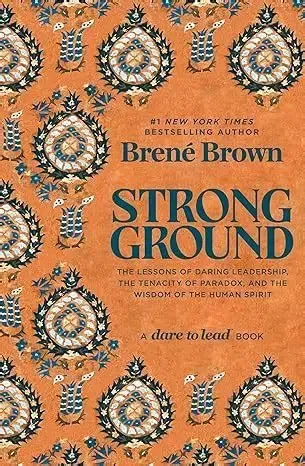
Image: Supplied.
Strong Ground by Brene Brown,asks what it means to lead when everything feels unstable. I read it and listened to the LinkedIn Learning course; together, they felt like being dropped into a storm with a compass in hand.
“Life will always throw challenges at us. Criticism, chaos, failure, but our freedom lies in how we respond.” That line reframed resilience for me—not resistance, not denial, but presence.
Have you asked yourself how you respond when the ground shifts?
Confidence here is not bravado. It is quieter, built from humility, preparation, and self-awareness. It is the pause before the leap and the clarity before the decision. This work insists that confidence must be rooted before the fall even happens. Leaders who cultivate grounded confidence don’t just survive storms; they stand in them.
What does confidence look like for you?
Feet planted. Ready to pivot. The stance is more than a metaphor; it is a way of inhabiting leadership. Rehabilitation forced stillness. Injury demanded rebuilding core strength before expansion. Stability precedes speed. Presence precedes performance. Leadership is embodied.
How often do you check your stance before moving forward?
The heartbeat of effective leadership is often paradoxical. It requires the ability to balance strength with vulnerability, confidence with humility, and discipline with openness. This duality is essential for growth and resilience.
As the saying goes, “You can choose courage, or you can choose comfort, but you can’t have both.” Embracing discomfort is essential, as it fuels growth. When leaders confront challenges, they model resilience and inspire their teams to step outside their comfort zones.
Living in the tension of conflicting emotions is a vital skill. Leaders can feel both excited and anxious about new initiatives, using these contrasting feelings to inform their decisions. By embracing paradox, leaders cultivate a deeper understanding of their roles and create a culture of openness and adaptability.
Do you allow yourself to hold contradictions?
This approach weaves perspectives together instead of retreating into echo chambers. It is not about control; it is about connection, embracing curiosity over certainty.
For instance, consider a team facing a challenging project. Instead of relying solely on the opinions of a few senior members, a leader who values diverse perspectives invites input from everyone—junior team members, those from different departments, and even external stakeholders. By valuing these voices, the leader creates a richer tapestry of ideas, leading to innovative solutions that might not have emerged otherwise.
Naming emotions is the first step; integrating them into leadership practice is next. This mindset demands listening to and balancing diverse viewpoints.
When was the last time you listened deeply enough to change your mind?
Philosophy matters, but what makes this work practical are the tools:
These strategies make resilience tangible.
Which of these tools would shift your leadership right now?
In times of uncertainty, the strength of a leader is often amplified by the community around them. Building a network of support fosters resilience and encourages open dialogue. Leaders who engage with their teams, seeking diverse perspectives, create an environment where vulnerability is embraced and collective growth is possible.
How can you cultivate a supportive community that empowers both you and those you lead?
Experiencing the book alongside the LinkedIn Learning course gave me two perspectives. On the page, research and metaphors unfold with depth. In her voice, urgency is unmistakable. Hearing the words aloud—raw, direct, and unpolished—made the lessons resonate differently. Theory became lived experience.
Do you learn more from reading or from hearing?
This is not just another leadership book; it is a mirror. Its demand is clear: stop sprinting on shaky footing. Root down. Build from the inside out. First, emotional steadiness; next, mental clarity; and finally, physical grounding to seal it.
Compared to Rising Strong, which focused on recovery, this feels more urgent. Compared to Atlas of the Heart, which mapped emotions, this feels more embodied. It is both a compassionate guide and a blunt compass.
What kind of leader do you want to be when the storm comes?
The storm does not end. With grounded confidence, it stops being something that breaks you; it becomes the place where courage takes root.
Presence before performance. Stability before speed. Leadership is not about control; it is about connection. In a world that keeps shifting, this is necessary.
*Strong Ground is published by Penguin Random House, South Africa.