
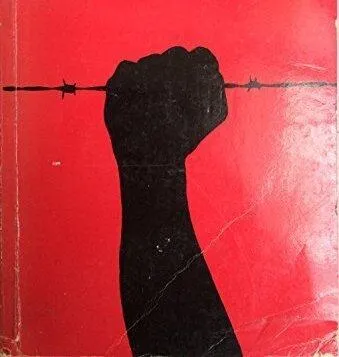
In "Amandla", Miriam Tlali tells the story of the 1976 Soweto Uprising through the experiences of Pholoso, a young student leader who rallies his peers against the compulsory use of Afrikaans in schools.
Image: Supplied
South Africa will observe Human Rights Day on March 21.
South African literature has significantly contributed to the struggle for human rights, fostering awareness and influencing the ideologies that drove the anti-apartheid movement.
A number of books are particularly notable for their impact on both the South African and international conversations surrounding human rights.
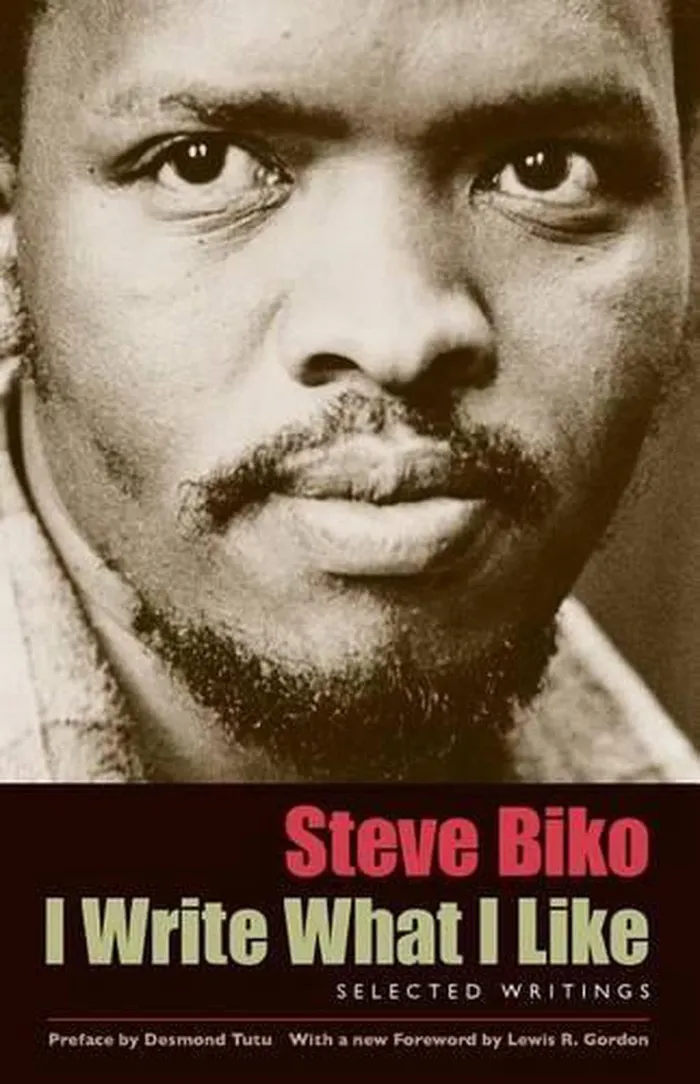
"I Write What I Like" is a collection of Steve Biko’s writings that laid the foundation for the Black Consciousness Movement.
Image: Supplied
This is a collection of writings that laid the foundation of the Black Consciousness Movement. Biko’s work helped unite Black South Africans to reject psychological oppression and fight for self-liberation.
First published in 1978, a year after Biko died in police detention, the book gathers his columns, letters and speeches written between 1969 and 1972.
The book continues to be a reference point in South African politics and global Black studies, frequently cited for its insights on racism, post-colonialism and human dignity.
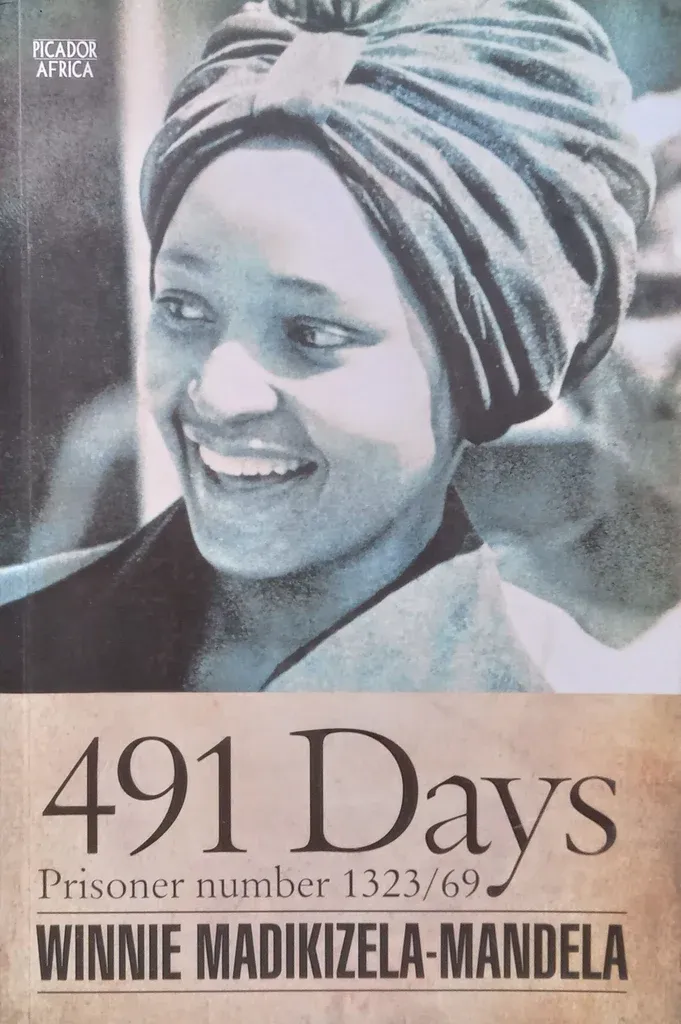
In "491 Days: Prisoner Number 1323/69", Winnie Madikizela-Mandela recounts her experiences while detained without trial by the apartheid government.
Image: Supplied
Based on a secret journal that Winnie Madikizela-Mandela kept while detained without trial for 491 days by the apartheid government.
Published in 2013, the book offers a personal account of her time in Pretoria Central Prison, often in solitary confinement. It records the brutality of the apartheid security state, including interrogation, torture and health challenges.
Alongside her journal, the book includes letters exchanged with her husband, Nelson Mandela, then imprisoned on Robben Island. The text highlights the resilience of women activists and the systemic oppression they faced.
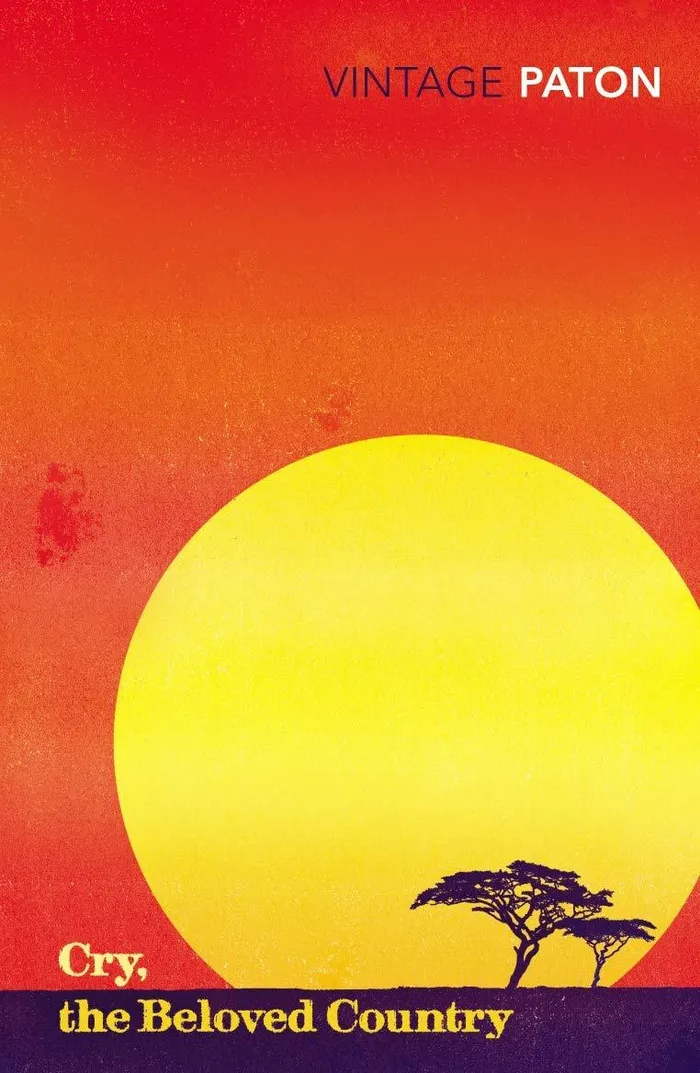
In "Cry, the Beloved Country", Alan Paton tells the story of Stephen Kumalo, a Zulu Anglican priest who travels from his rural village to Johannesburg to find his missing son and sister.
Image: Supplied
Published in 1948, it is considered a landmark of South African literature for its critique of the social structures that enabled apartheid.
The novel follows Stephen Kumalo, a Zulu Anglican priest, as he travels from his rural village to Johannesburg to find his missing son and sister. Through their story, Paton exposes the social and moral consequences of legalised racism.
The novel has been adapted into a Broadway musical, “Lost in the Stars", and two films, one in 1951 and another in 1995, starring James Earl Jones.
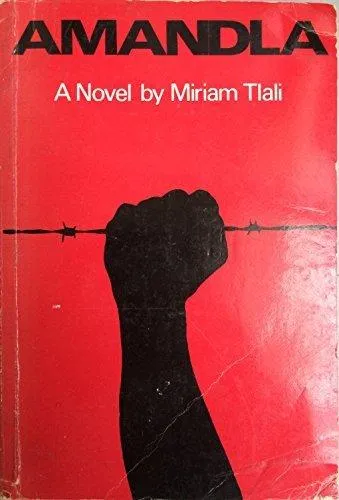
In "Amandla", Miriam Tlali tells the story of the 1976 Soweto Uprising through the experiences of Pholoso, a young student leader who rallies his peers against the compulsory use of Afrikaans in schools.
Image: Supplied
The first novel published by a black woman in South Africa tells the story of the 1976 Soweto Uprising.
It focuses on Pholoso, a student leader who rallies the youth against the compulsory use of Afrikaans in schools.
The narrative incorporates multiple perspectives from students and community members and includes actual historical documents, pamphlets and speeches.
Published by Ravan Press, the novel was banned shortly after release and remained prohibited until 1986.
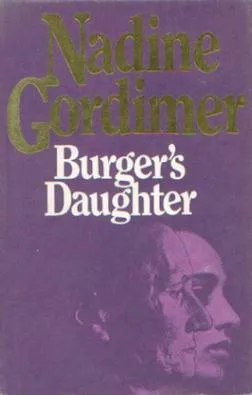
“Burger’s Daughter” examines white anti-apartheid activism and the challenges of liberalism.
Image: Supplied
Published in 1979, it explores white anti-apartheid activism and the limits of liberalism.
The story follows Rosa Burger, the daughter of a white anti-apartheid activist, as she navigates her own identity while carrying her family’s revolutionary legacy.
After her father dies in prison, she travels to Europe but eventually returns to South Africa, embracing activism and ending the novel as a political prisoner.
The book was also banned upon release, but reinstated three months later after international pressure.