
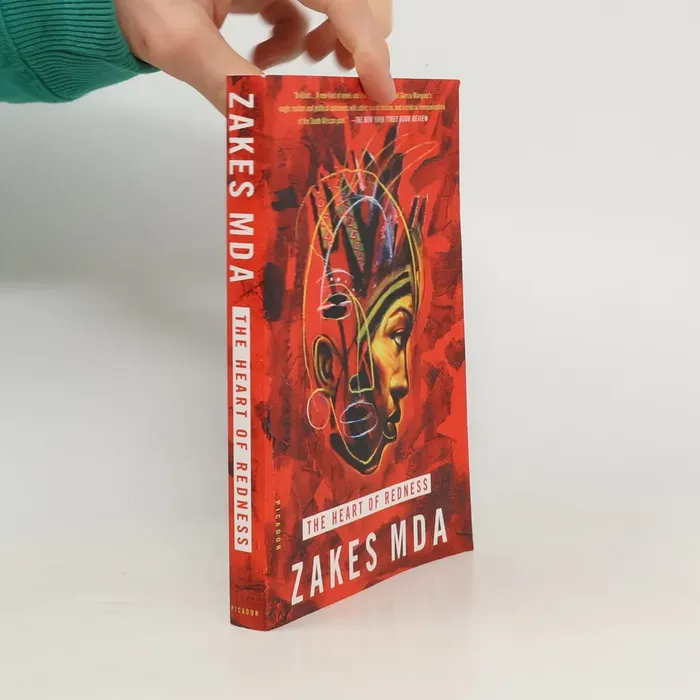
"The Heart of Redness" connects the past and present through the story of a rural community in the Eastern Cape.
Image: Supplied
World Book Day, a global celebration led by Unesco, is observed on April 23. This day is dedicated to promoting reading, publishing and the crucial protection of intellectual property through copyright.
At its core is a simple goal: to ensure that every child and young person has access to a book of their own.
The day also invites readers to reflect on stories that shape identity, memory and belonging.
In South Africa, literature has long served as a record of struggle, change and everyday life. From memoir to fiction, certain books stand out for how they capture the country’s past and present.
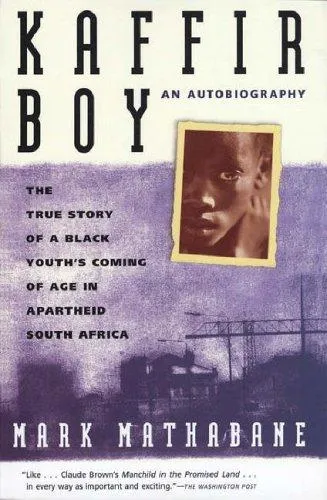
"Kaffir Boy" recounts the author’s childhood in Alexandra township during apartheid.
Image: Supplied
One such work is “Kaffir Boy" by Mark Mathabane. First published in 1986, the memoir traces Mathabane’s childhood in Alexandra township during apartheid. It presents a direct account of systemic racism and its effects on daily life.
Police raids, pass laws and constant surveillance shape his early years. The book does not soften these realities. Instead, it shows how fear and poverty were enforced through policy and practice.
At the same time, the narrative highlights the role of education. Mathabane’s mother pushes him to pursue learning despite the limits of Bantu education. For him, school becomes more than a place of instruction.
It is a path out of confinement. His talent in tennis later opened a door beyond Mzansi. With support from Stan Smith, he secured a scholarship in the United States.
The memoir was written to expose apartheid to a wider audience and to show how determination and opportunity can intersect under harsh conditions.
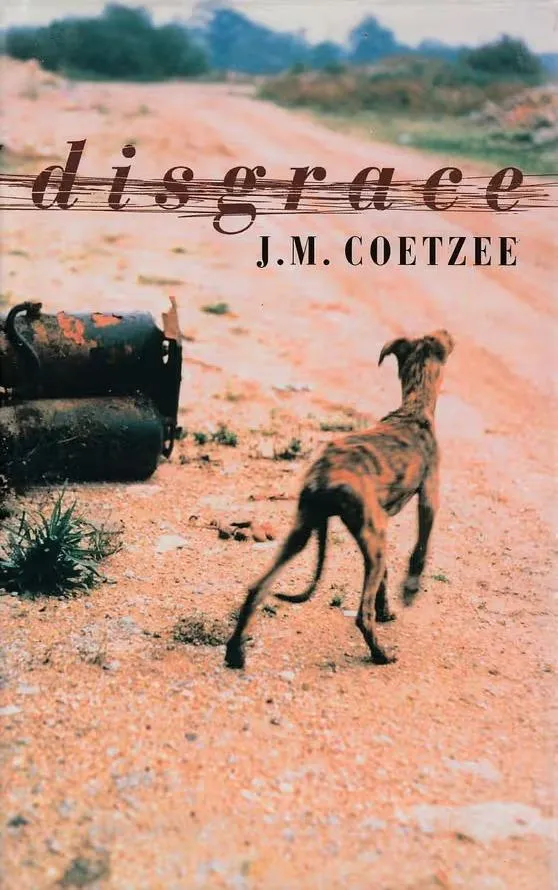
"Disgrace" follows David Lurie, a university professor who loses his job after an inappropriate relationship with a student.
Image: Supplied
Another key text is “Disgrace” by J. M. Coetzee. Published in 1999, the novel examines life in post apartheid South Africa through the story of David Lurie, a university professor in Cape Town.
After an inappropriate relationship with a student, he loses his position and retreats to his daughter Lucy’s farm in the Eastern Cape. What follows is a shift from urban life to a rural setting marked by tension and uncertainty.
A violent attack on the farm changes both characters. Lurie is forced to confront his own limits while Lucy chooses to remain on the land despite the trauma she experiences.
Her decision not to leave or seek legal action reflects a complex negotiation with the new social order. She enters an arrangement with her neighbour Petrus, which raises questions about safety, ownership and survival.
The novel explores power through personal relationships, academic authority and shifting racial dynamics. Lurie’s journey moves from public disgrace to a quieter reckoning shaped by loss and responsibility.
His work at an animal shelter, where he helps euthanise unwanted dogs, becomes a space where he begins to understand humility.
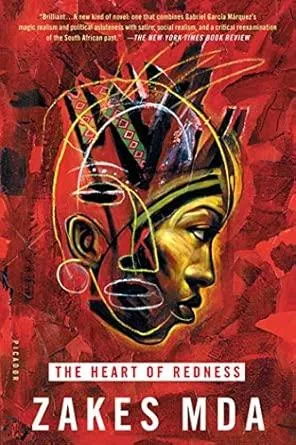
"The Heart of Redness" connects the past and present through the story of a rural community in the Eastern Cape.
Image: Supplied
“The Heart of Redness” by Zakes Mda offers a different approach by linking past and present. Set in Qolorha by Sea in the Eastern Cape, the novel moves between two time periods.
The first revisits the Xhosa cattle killing movement of 1856 and 1857. A young prophet named Nongqawuse claimed that destroying cattle and crops would lead to the return of ancestors who would drive out colonial forces.
This belief divided communities into those who followed the prophecy and those who resisted it. The result was famine and widespread death.
The second timeline takes place after 1994 and follows Camagu, who returns from the United States feeling disconnected from the new South Africa. He settles in the same village, where divisions persist in a new form.
This time, the conflict centres on a proposed casino and tourist development. Some residents support it as a path to economic growth, while others oppose it to protect land and heritage.
Through this tension, the novel examines how communities define progress.
It questions whether development should follow external models or emerge from local knowledge. Camagu becomes part of an effort to find a balance that respects both economic needs and cultural identity.
The idea of redness, once used to label traditional practices as backward, is reframed as a source of pride.
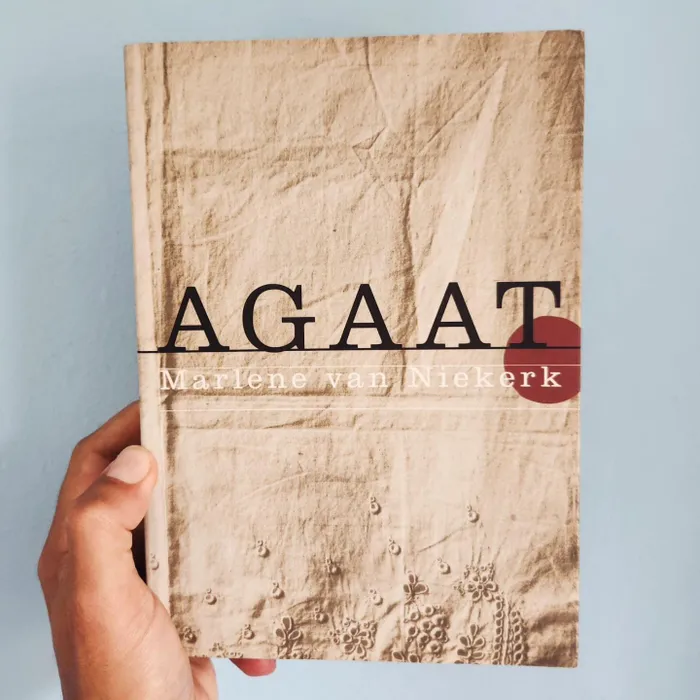
"Agaat" explores the long and complex relationship between Milla Redelinghuys and Agaat Lourier, a woman she once raised as a servant.
Image: Supplied
“Agaat" by Marlene van Niekerk provides another perspective on South African life, focusing on a farm and the relationship between two women.
First published in Afrikaans in 2004, the novel spans several decades and is told through the voice of Milla Redelinghuys, who is dying from motor neuron disease. Unable to speak or move, she relies on Agaat, the woman she once raised as a servant.
The narrative moves between Redelinghuys’ present condition and her past diaries. These entries reveal her marriage, her management of the farm and her evolving relationship with Agaat. What begins as an act of control shifts over time.
Agaat gains knowledge, authority and eventually power within the household. As Redelinghuys becomes dependent, the balance between them reverses.
This change mirrors broader shifts in South African society as the country moves away from apartheid.
The novel also engages with the tradition of the farm novel, often centred on white landowners. Here, that tradition is reworked to include the worker's voice and experience.
The relationship between Redelinghuys and Agaat is marked by care, resentment and obligation. It is not stable or simple. Agaat forms a close bond with Redelinghuys’ son Jakkie, adding another layer to the story of family and belonging.
Through these dynamics, the novel examines how history shapes personal ties and how power can move between people over time.