
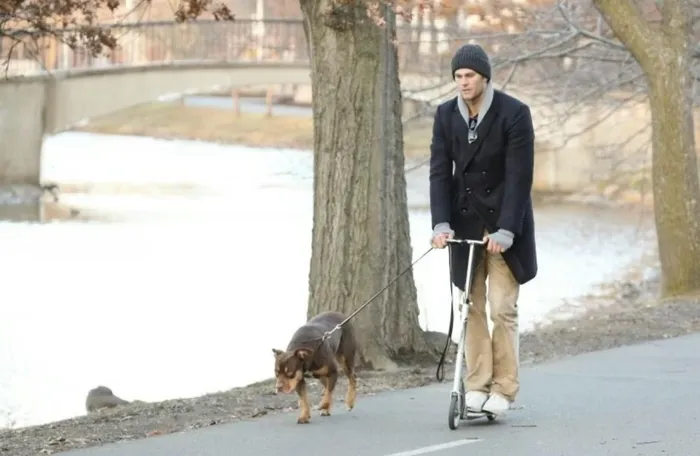
Tom Brady reveals that his new pit bull mix, Junie, is a clone of his late dog, Lua.
Image: Instagram
Former NFL star Tom Brady revealed his beloved pit bull mix, Junie, is actually a clone. Yes, you read that right.
Junie was created using a blood sample from Brady’s late dog, Lua, through Colossal Biosciences, a venture-backed biotech company that’s redefining what “man’s best friend” means in the age of genetic engineering.
Brady shared in a statement that Junie was cloned using noninvasive technology shortly before Lua’s passing in 2023.
“I love my animals. They mean the world to me and my family,” he said, adding that he worked with Colossal to preserve Lua’s legacy.
And while the resemblance between Junie and Lua is uncanny, the revelation has left fans and ethicists divided and curious about where we draw the line between science, sentiment, and playing god.
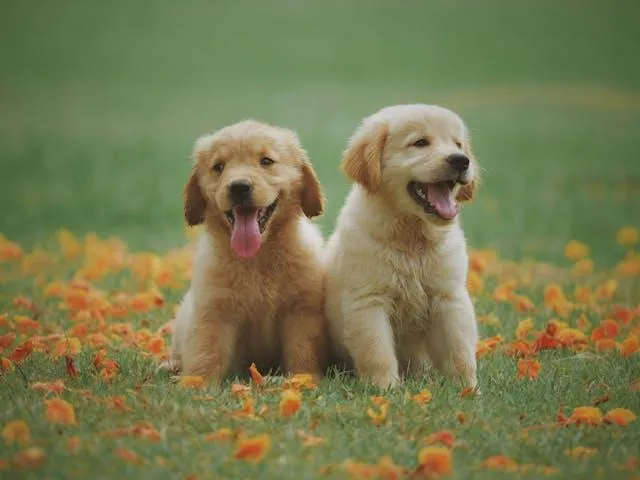
Tom Brady's cloned dog: The ethics of pet cloning in the modern age
Image: Chevanon Photography/pexels
Spoiler alert: It is. And it’s not just Brady. Celebrities like Paris Hilton and Barbra Streisand have also jumped on the cloning bandwagon, giving their furry companions a second chance at life.
But before we dive into the ethics of cloning Fido, let’s talk about the company making all this possible.
Colossal Biosciences, the self-proclaimed “de-extinction” company, has big dreams and even bigger funding. Valued at $10.2 billion, this Texas-based biotech giant isn’t just cloning celebrity pets.
Its ambitions include resurrecting extinct species like the woolly mammoth and the dire wolf. Yes, the same dire wolf you’ve probably seen on Game of Thrones.
The company made headlines last year with claims it had brought the dire wolf “back from extinction”.
Spoiler: It didn’t. Instead, it bred mice with what it called “mammoth traits,” meaning slightly longer and thicker hair. While this might not sound groundbreaking, Colossal insists it’s a step toward one day bringing prehistoric creatures back to life.
But what does cloning a mammoth or a dog really achieve? For Colossal, the answer seems to be a mix of science, spectacle and cold, hard cash.
Now back to Tom Brady, who worked with Colossal to preserve Lua’s DNA through a simple blood draw before she passed in 2023. Moments like this tug at the heartstrings, reminding us of the deep bond we share with our pets.
“I love my animals. They mean the world to me and my family,” Brady said in a statement. “Cloning Lua gave us the opportunity to have a piece of her live on with us.”
It’s touching, of course, but also a little… strange? Pets are amazing for their quirks, personalities, and irreplaceable essence. And while Junie may look exactly like Lua (and the resemblance is uncanny), even cloning technology can’t recreate the soul of a dog.
Brady isn’t alone in his love for cloned pets. Back in 2018, Barbra Streisand revealed she had cloned her beloved dog twice. And in 2023, Paris Hilton followed suit, cloning her pup with the help of ViaGen Pets & Equine, a company Colossal recently acquired.
According to online reports for a cool $50,000, ViaGen will clone your dog using noninvasive DNA collection. Cats? A bargain at $35,000. Horses? That’ll be $85,000. The process, though expensive, is surprisingly simple: They extract DNA from your pet, use it to create an embryo, and implant the embryo into a surrogate.
Nine months later, voilà, a genetically identical twin of your beloved fur baby.
ViaGen has also cloned endangered species like the black-footed ferret and Przewalski’s horse, which raises an interesting question: Should we be using this technology to preserve species on the brink of extinction, rather than recreating pets for the rich and famous?
While cloning might sound like science fiction, it’s been around for decades. Dolly the sheep, the world’s first cloned mammal, was born in 1996. Since then, the field has expanded rapidly, but not without controversy.
Critics argue that cloning pets, while emotionally appealing, ignores a larger issue: the millions of animals in shelters waiting for homes. Why spend $50,000 to clone a dog when you could adopt one (or several) instead?
Others see cloning as an attempt to cheat the natural cycle of life. The death of a pet, while heartbreaking, teaches us about love, loss, and the impermanence of life itself.
Cloning, some say, feels like an attempt to outrun grief, a way to hold onto something that’s meant to be let go.