

Dankie Boi, Blacks Jnr and GoldMax are emerging as key leaders of gqom’s next generation with their project 'New Wave'.
Image: Facebook/Blacks Jnr
The pulse of Durban’s streets has hit the global stage once again with the release of “New Wave”, a 16-track album crafted by Dankie Boi, Blacks Jnr and GoldMax.
More than just a collection of songs, “New Wave" represents a bold evolution of gqom music, a genre born in Durban’s vibrant townships and a central pillar of South African dance culture.
Speaking to “Independent Media Lifestyle”, Dankie Boi, born Mfanafuthi Buthelezi, explained that his approach to the album was rooted in respect for gqom’s origins.
“Evolving gqom starts with understanding where it comes from,” he said.
“I grew up on that raw, minimal, hard-hitting Durban sound. With ‘New Wave', I did not want to change gqom. I wanted to stretch it, add to new melodies and sounds, but keep the heartbeat intact - the heavy drums, the tension, the darkness.
"It is about showing people that gqom can grow without losing its identity. It is still the same spirit, just sharper, bigger, funkier and more global.”
Boi said that each track carries a piece of his roots.
“Durban’s townships are loud, colourful, chaotic and full of character, and so is the music. You will hear the energy of the weekends, the taxis, the street dances, the youth culture and the hustle. Gqom has always been a voice for the townships, so the album represents that daily rhythm."
"It is the sound of real people, real movement, real life. I wanted listeners to feel like they are right there with us, feeling the heat, the vibrancy, the pulse of Durban. To us, gqom is more than just a dance genre.
"At times, it is spiritual. It creates a sense of belonging. We heal while producing, playing and listening to it.”
Collaboration with Blacks Jnr and GoldMax brought a sense of shared responsibility to the project.
“Owning the gqom sound means understanding it deeply and carrying it forward with pride,” Boi said.
“Working with Blacks Jnr and GoldMax is powerful because we all share the same roots, but bring different strengths to music production. It is about leadership, being part of the generation that protects, evolves and showcases gqom to the world."
"We are responsible for maintaining the authenticity of the sound while pushing boundaries. When we say we own it, we mean we live it, breathe it and shape where it goes next. Gqom will never die, and we want to pioneer it through and through.”
Balancing the evolution of the genre with its authentic Durban flavour was a careful process.
Boi described his approach to the melodies and progressions in “New Wave”: “I treated them like seasoning, not the whole meal. Durban gqom has a specific flavour: dark, hypnotic, repetitive. I did not want to overpower that. I added subtle musical elements that lift the emotional side of the songs without changing their DNA."
"The balance comes from experience. I know when to keep it gritty and raw, and when to bring in something smooth or unexpected. It is still Durban gqom, but now it has moments that speak to the heart as much as the body.”
For listeners outside South Africa, Boi said that the album is an entry point into Durban’s dance culture.
“They should expect pure energy. ‘New Wave’ is a doorway into how we dance, celebrate, express ourselves and release stress. It is raw, intense and full of character. But it is also evolving, more melodic, more musical, more global.
"I want international listeners to feel the originality of Durban’s streets but also hear how the sound is adapting for a wider world."
"If they come in with an open mind, they will discover a movement that is alive, modern and ready to take over stages anywhere. We also want to dominate radio airplay, because our gqom sound before was too raw and did not get much airplay.”
“New Wave” offers listeners a comprehensive experience of Durban’s musical landscape.
Each track is built on the rhythmic foundations that gqom has become known for while incorporating innovative textures, unexpected beats and melodic flourishes that expand its global appeal.
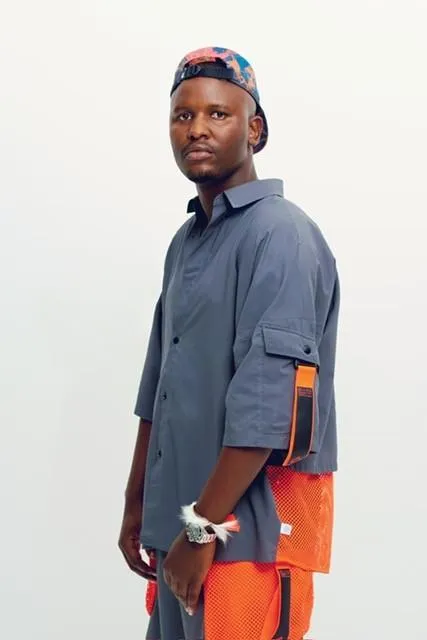
Dankie Boii is one of the rising voices in the new wave of gqom, known for his sharp production style and energetic approach to the genre.
Image: Supplied
From street-level energy to studio precision, the album demonstrates that gqom can thrive beyond the townships, connecting with audiences around the world without losing its identity.
Boi emphasised that the project reflects both personal and collective pride. “This is more than music. It is culture, it is history, and it is our voice,” he said.
“We are telling our story, representing the townships and showing the world that gqom is here to stay. Each beat carries the hustle and the life of Durban, and we want listeners everywhere to feel that pulse.”
Here are five fun facts about gqom music: