
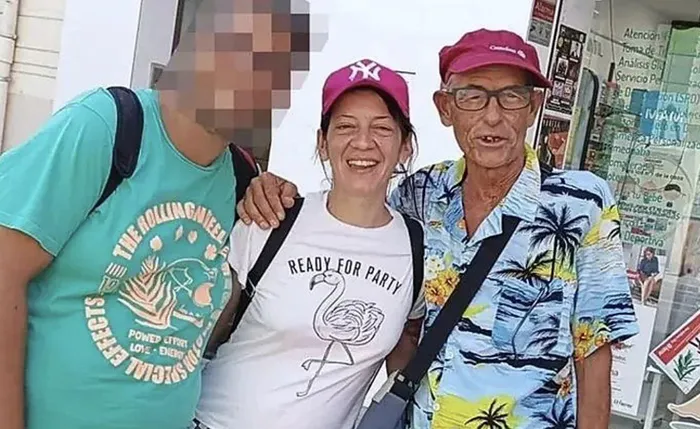
The TikTok Killer follows the investigation into the disappearance of Esther Estepa, revealing how TikTok creator and convicted murderer José Jurado Montilla’s online persona hid disturbing behaviour, with digital traces helping piece the case together.
Image: X/ @arroba_machi
Another day, another documentary. And sadly, this one leaves a very heavy feeling behind.
The moment you hear the words TikTok and killer in the same sentence, you already know it’s going to grab attention. TikTok is one of the biggest social media platforms in the world, a place built on trends, travel clips, humour and carefully curated moments.
But Netflix’s chilling two-part documentary, "The TikTok Killer", quickly reminds viewers that the digital world can also hold clues to something far darker.
Directed by Héctor Muniente, it centres on the disappearance of 42-year-old traveller Esther Estepa, who vanished during a trip across Spain in 2023.
What initially looked like a strange missing-person case soon turned into something far more disturbing when investigators began retracing her final movements.
The key figure in the story is José Jurado Montilla, a travel content creator who documented his journeys across Spain on TikTok. According to the documentary, Montilla was one of the last people known to have spent time with Esther before she disappeared.
What makes this story particularly unsettling is how much of it exists online. Investigators and Esther’s family traced his TikTok videos, location tags, messages, and online interactions to piece together a timeline of events.
Clips that once seemed like casual travel content became crucial markers, while subtle shifts in Montilla’s tone, behaviour, and body language revealed patterns that raised red flags, showing how a carefully curated online persona can mask far darker realities.
Unlike many traditional true-crime documentaries that rely heavily on police interviews and courtroom footage, this one leans into the digital trail left behind.
TikTok videos, location tags, messages and posts all become pieces of a puzzle as Esther’s family tries to figure out what happened to her. And that’s where the documentary becomes genuinely gripping.
The series is structured around the investigation led not only by authorities but also by Esther’s family. When answers seemed slow to come, her mother and sister began looking into the man (a very creepy-looking man) who had last seen her, and what they discovered would change the case entirely.
Montilla wasn’t just a travel vlogger with a camera and a following. He was a convicted killer who had previously served 28 years in prison for four murders committed in the 1980s before being released in 2013.
That revelation shifts the tone of the documentary dramatically. Suddenly, the TikTok videos that once appeared friendly and adventurous start to feel deeply unsettling.
The documentary revisits those clips, analysing his tone, behaviour and movements in ways that almost feel like watching a psychological case study unfold on screen.
Muniente has even described the editing process as something that began to feel like forensic work. After reviewing hours of Montilla’s videos, small patterns in behaviour and emotion began to stand out, moments where he could shift from charm to something far colder almost instantly.
But what keeps the documentary grounded is the way it centres Esther’s story rather than turning the case into pure spectacle.
Through interviews with family members and people who knew her, viewers are reminded that behind the headlines is a woman who loved travelling and living life on her own terms.
Her disappearance sparked a relentless search for answers that ultimately led to disturbing discoveries about the man she encountered during that trip.
At the time of the documentary’s release, Montilla had already been linked to other violent crimes and was awaiting trial while in custody.
What the documentary does particularly well is show how modern investigations are no longer limited to crime scenes and witness statements. In this case, social media itself becomes a record of events.
Every video posted, every location tagged, and every message sent becomes part of a digital timeline. And that’s what makes the story so unsettling.
Watching the documentary, you start realising just how much of our lives exist online now. People share where they travel, who they meet and what they’re doing, often in real time.
For most of us, it’s harmless. But "The TikTok Killer" quietly shows how that same openness can also create vulnerability.
As a viewer, the documentary leaves you thinking about the strange contradiction of social media. Platforms like TikTok are designed to connect people and celebrate creativity. But they also allow individuals to create personas that may hide far more complicated realities.
Rating: ** significant flaws but some merit.