
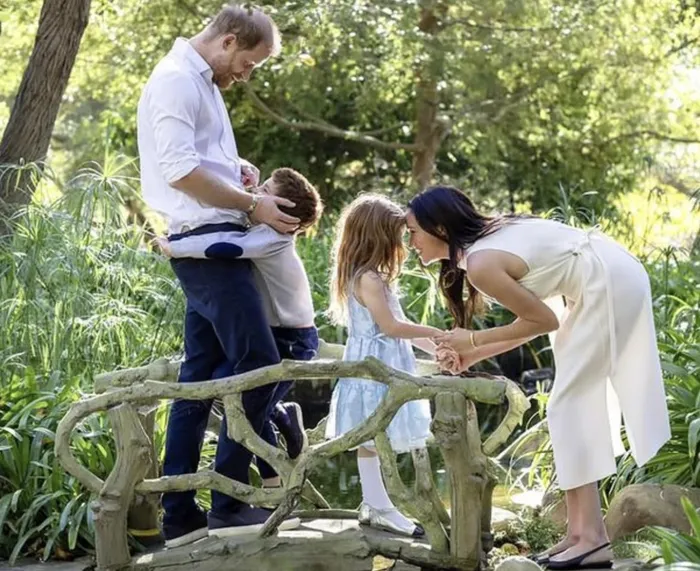
The Duke and Duchess of Sussex with their children, Princess Lilibet and Prince Archie, embrace new ventures that intertwine their royal heritage.
Image: Instagram
The royals are currently occupying more real estate in our search histories than a luxury London postcode.
Whether it's the "mixed reviews" of their recent tour Down Under or the whirlwind of rumours regarding their business tactics, the Duke and Duchess of Sussex are trending for reasons that feel more like "Succession" than "Sleeping Beauty".
In a move that sent ripples from Montecito to Buckingham Palace, reports swirled this week that Prince Harry and Meghan Markle had filed to trademark the names of their children, Prince Archie, 6, and Princess Lilibet, 4.
According to initial reports from "Page Six", the filing supposedly covered everything from social media handles to domain names.
However, in a classic case of "check the receipts", "PEOPLE" has officially confirmed that these trademark reports are not true.
While the couple is fiercely protective of their digital footprint, they haven't actually moved to legally "own" their children’s names for commercial use.
If the trademarks aren't real, why is everyone hitting "search"? It’s all about the timing of a very real (and very expensive) product drop.
While A-listers often secure their kids' digital footprints to ward off squatters, the timing and the titles have critics calling it a "merching" masterclass.
This news broke just as Meghan, 44, debuted her latest drop for her upscale lifestyle brand, As Ever (formerly American Riviera Orchard). The $64 candles, launched on April 22, are the centrepiece of a Mother’s Day collection that feels deeply personal and, to some, deeply profitable.
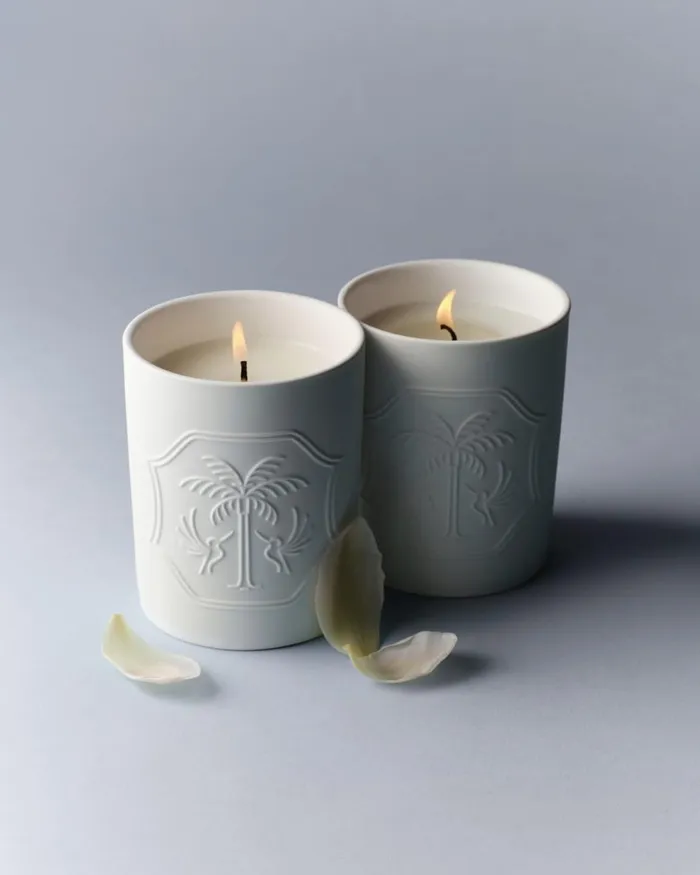
The Sussexes' controversial 'name' candles are coded with the children’s birthdates, creating a "fairy tale" olfactory experience.
Image: Instagram
The candles are coded with the children’s birthdates, creating a "fairy tale" olfactory experience:
While the As Ever website describes the scents as "inspired by a special memory", social media has been less than nostalgic.
Royal enthusiasts on X (formerly Twitter) were quick to point out the irony: a couple that moved across an ocean for "privacy" is now seemingly using their children's royal titles to sell home fragrances.
"The merching of the kids and their titles especially has now hit fraudulence levels," one user wrote, while another called the exploitation "disgusting".
The trademark drama follows a whirlwind four-day "faux-royal" tour of Australia. From $3,000-a-seat commercial dinners to a "MasterChef Australia" appearance, the trip felt more like a brand activation than a state visit.
Critics are calling it a "Claytons" tour, the Aussie slang for the "drink you have when you're not having a drink".
It looked like a royal tour; it sounded like one, but the lack of official capacity and the commercial undertones have left a bitter taste in many mouths. Critics dubbed it a "faux-royal" tour, leaving the internet divided on whether they’re still "working royals" or just "royal-adjacent" influencers.
While reports confirm that the children, originally Master Archie and Miss Lilibet, officially became Prince and Princess upon King Charles' accession in 2022, using those titles for commercial gain remains a grey area in royal protocol.