
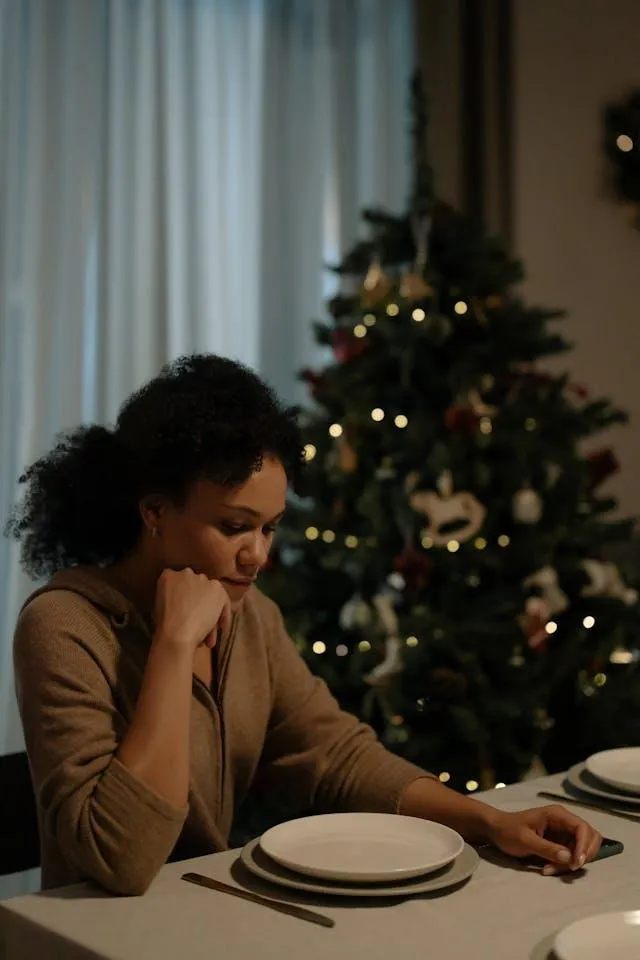
Coping with empty nest syndrome during the holidays
Image: cottonbro studio/pexels
The holidays are often painted as a time of togetherness, with the warm glow of twinkling lights, laughter through shared meals and the pull of family traditions.
For many, especially those experiencing an empty nest, the season brings a complex reality where feelings of loneliness and change deepen against the backdrop of festive celebration.
This is the often-unspoken side of the holidays that deserves more attention.
In South Africa, it hums with expectation. The clatter of pots for Christmas preps, the WhatsApp voice notes about travel plans, the soft insistence that this is the season of togetherness.
And yet, behind the fairy lights and grocery queues, there is another story unfolding quieter, more tender and often unspoken.
For those with an empty nest, especially during the holidays, loneliness and transition shape the season as much as togetherness does.
I co-parent, and the shift during holidays is hard not to notice. Calendars, once crowded with excursions, playing host, school concerts and sports days, now feel eerily open.
Holidays have a way of holding up a mirror to these transitions, making absence louder and silence heavier.
We are a country where family and community are deeply woven into our cultural fabric, and spending holidays alone can feel like a quiet rebellion against the script.
Yet it’s far more common than we admit. The South African Depression and Anxiety Group (SADAG) reports that festive seasons often intensify feelings of isolation, sadness and financial stress.
In one SADAG survey, 45% of respondents reported feeling very lonely during previous festive periods. Loneliness, it turns out, doesn’t take a holiday.
For parents whose children have grown up and moved out, whether for work, study, love or life itself, this loneliness has a name: empty nest syndrome.
While not a formal medical diagnosis, psychologists recognise it as a real emotional experience marked by grief, loss of purpose and identity shifts.
During the holidays, when rituals are so closely tied to family roles, these feelings can feel almost haunting.

The holidays don’t have to be about what’s missing. They can be about what’s possible.
Image: Leeloo The First/pexels
“Loneliness doesn’t always look like sadness,” explains social worker Karen Griessel from Thornhill Manor, part of the Rand Aid Association.
“It can show up as irritability, anxiety, withdrawing from activities, or changes in sleep and appetite.”
Among older adults, these feelings are widespread.
Empty nest syndrome isn’t reserved for retirement villages. It is commonly found in suburban homes, townhouses and apartments, particularly among single parents and caregivers. When the last child leaves, the house doesn’t just empty; time does too.
There’s the bittersweet ache of walking past a bedroom that no longer hums with life. The sudden quiet where routines once lived.
The unsettling question: Who am I now? Psychologists note common symptoms include persistent sadness, difficulty concentrating, anxiety about children’s well-being, and even strain on romantic relationships.
Research suggests it can take anywhere from 18 months to two years to adjust to this new life stage, sometimes longer if compounded by financial stress, health challenges, grief or job loss.
Yet, within this melancholic season lies something else, too: possibility.
The growing conversation around holiday loneliness in South Africa is slowly shifting from shame to curiosity.
More people are asking how to live well in the in-between, how to reimagine joy when life doesn’t look the way it used to.
Experts agree that coping with empty nest syndrome isn’t about “getting over it” but rather growing through it. Self-care, often dismissed as indulgent, becomes essential.
But here’s the thing: solitude doesn’t have to equal sadness. This is your invitation to reframe the season, to create meaning and connection in fresh ways.
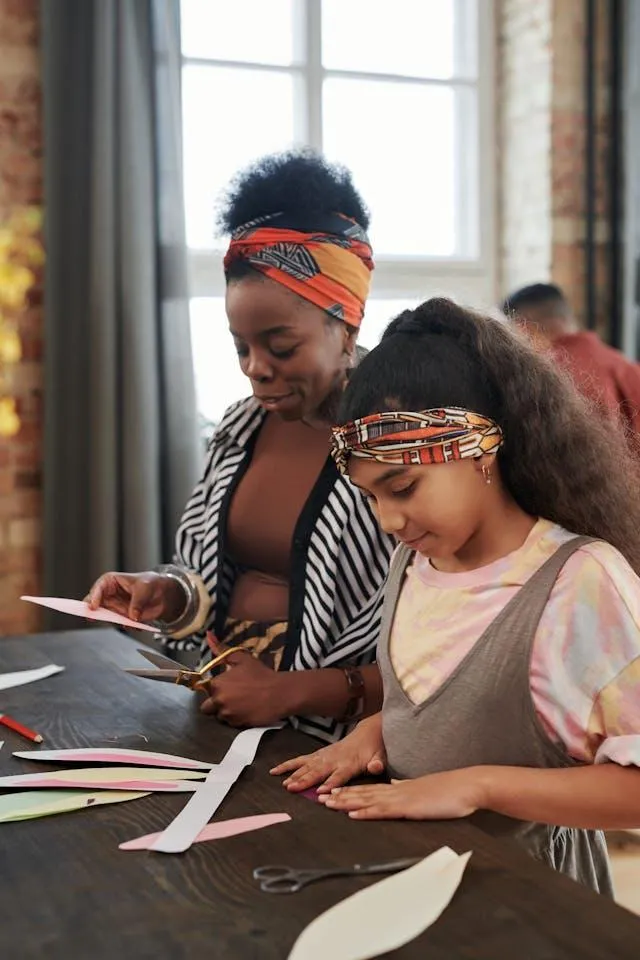
Have you always wanted to paint, garden, or write a novel? Now’s the time to dive in. Hobbies not only fill the hours but also reignite a sense of purpose.
Image: Andy Barbour/pexels
1. Shift your perspective
The absence of loved ones doesn’t mean you have to sit in silence. Embrace this time as a moment to reconnect with yourself.
Think of it as a gift: the space to breathe, reflect and rediscover who you are beyond the roles you’ve played.
2. Get active physically and socially
Movement has a way of lifting the fog. Studies show that regular physical activity reduces symptoms of anxiety and depression and improves overall well-being.
Whether it’s yoga in your living room, a brisk walk in the park, or joining a local dance class, getting your body moving can shift your mindset.
Socially, consider stepping outside your comfort zone. Volunteer at a local charity, organise a potluck for friends in a similar situation, or join a hobby-based community group.
If there’s one thing the holidays teach us, it’s that connection can come in many forms.
3. Stay connected in creative ways.
Just because your kids or loved ones aren’t physically present doesn’t mean you can’t connect. Schedule regular video calls with family, or send heartfelt messages to let them know you’re thinking of them.
Learn new apps or social media platforms if that’s how they communicate, yes, even if it means mastering TikTok!
4. Create new traditions
There’s no rulebook that says traditions have to stay the same forever. Why not start a new one? Host a solo movie marathon with your favourite holiday films, cook a meal you’ve always wanted to try, or spend the day exploring a place you’ve never been.
5. Rekindle old passions
Have you always wanted to paint, garden or write a novel? Now’s the time to dive in. Hobbies not only fill the hours but also reignite a sense of purpose.
6. Take care of yourself
This is your moment to prioritise yourself. Indulge in self-care, whether that’s a spa day at home, experimenting with new recipes, or simply taking long, reflective walks. Nourish your body and mind with intention.
The holidays don’t have to be about what’s missing. They can be about what’s possible.