
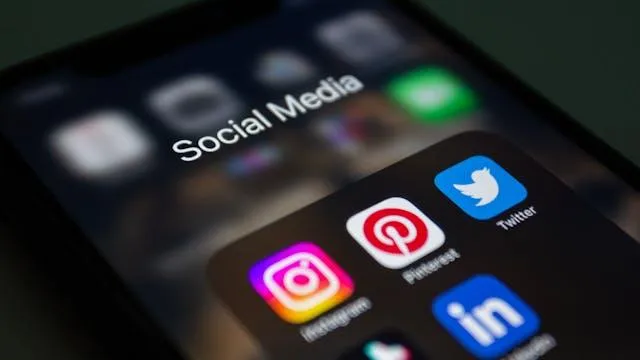
Spain tightens social media restrictions for children under 16.
Image: Pexels/Bastian Riccardi
The global tech landscape shifted this week.
Spain has announced plans to introduce an Australia-style social media ban for children under 16 years of age, marking one of the most significant digital parenting crackdowns in modern history.
Prime Minister Pedro Sánchez confirmed the move during a summit in the United Arab Emirates, declaring that governments can no longer “stop turning a blind eye” to online harm.
“Today, our children are exposed to a space they were never meant to navigate alone,” Sánchez said.
“We will no longer accept that," he added.
With that statement, Spain joins a growing coalition of countries, including Australia, France and Denmark, that are actively restricting minors’ access to social media platforms in response to mounting mental health concerns, exposure to harmful content and algorithm-driven risks.
This is not symbolic legislation. It is a structural reform.
A world-first domino effect
Australia set the tone in December when it passed the world’s first enforceable social media ban for under-16s. The law places direct responsibility on platforms such as Instagram, TikTok, YouTube, Snapchat, X and Reddit to prevent minors from holding accounts or face fines of up to 49.5 million Australian dollars.
Australia’s internet regulator recently confirmed that 4.7 million under-16 accounts have already been removed since the law came into effect.
Now Spain is following suit, but with a distinctly European posture.
Sánchez announced that Spain will require “real barriers that work”, not simple tick-box age declarations, pushing for robust age verification systems that go beyond self-reporting.
France has approved a similar measure banning social media for children under 15 years of age, set to take effect in September. Denmark has introduced parallel legislation.
Sánchez also revealed that Spain has aligned with five other European nations in what he called a “coalition of the digitally willing” to coordinate multinational regulation of tech giants.
The message from world leaders is clear: digital childhood is no longer an unregulated territory.
This movement is rooted in escalating concern over youth mental health, online exploitation, deepfake abuse and addictive platform design.
Sánchez criticised major tech companies directly, citing the spread of “AI-generated child abuse materials” and failures to curb illegal content. His comments reflect a broader frustration among policymakers who argue that platforms have prioritised engagement metrics over child safety.
Parents understand the tension intimately. Smartphones have become both a lifeline and liability.
Social media offers connection, yet research increasingly links excessive use to anxiety, depression, sleep disruption and body image issues among teenagers.
The under-16 bans aim to reduce exposure during the most developmentally vulnerable years, a public health intervention for the digital age.

Smartphones serve as both lifelines to connection and sources of anxiety, with research increasingly correlating excessive social media use with depression, anxiety, sleep disruption, and detrimental body image issues among teenagers. .
Image: Pexels/iriam Alonso
Tech giants push back
The response from Silicon Valley has been swift.
Meta, which owns Instagram and Facebook, said that it removed 550,000 suspected under-16 accounts in Australia and urged the governments to pursue “safe, privacy-preserving, age-appropriate experiences online, instead of blanket bans.”
Reddit has launched a legal challenge in Australia, arguing the law limits political discourse. Elon Musk criticised Spain’s leadership in a heated online exchange.
The core industry argument: teenagers will find workarounds, potentially accessing platforms without safety safeguards.
Yet regulators appear undeterred. For the first time, the enforcement burden is shifting from families to corporations.
A reset for parents
Beyond policy, this is a lifestyle reckoning.
For years, digital parenting has meant negotiating screen time, monitoring apps and hoping that children are truthful about their online age.
These new laws reframe the issue from a private household struggle to a national responsibility.
In simple terms, governments are stepping into the group chat.
Critics warn of overreach. Supporters see overdue protection. What is undeniable is that this marks a historic moment in internet governance.
We are witnessing the early chapters of a global recalibration, one that raises the question of whether social media access is a childhood right or an adult privilege.
For now, one thing is certain: the era of unregulated teen social media is facing its most serious challenge yet.