
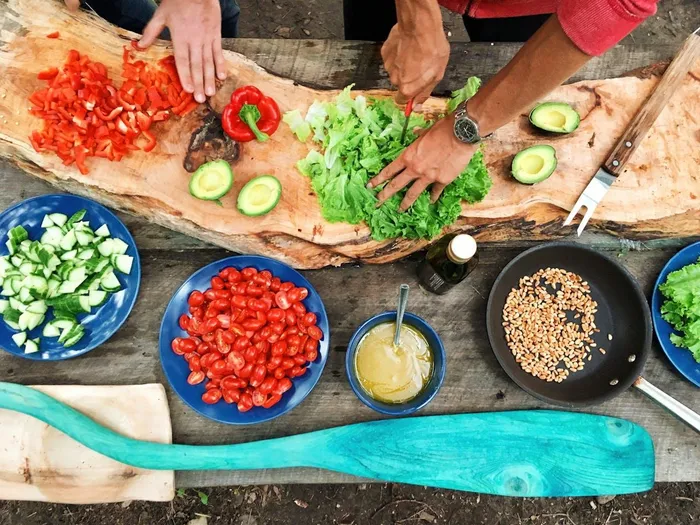
The lives of centenarians illuminate a fundamental truth about ageing: it’s not about perfection but balance, intention, and meaningful connections
Image: Maarten van den Heuvel /Pexels
In our quest for the proverbial "fountain of youth", we’ve turned to 10-step skincare routines, collagen supplements, and the latest trends in wellness. But the truth is, the key to aging gracefully and living a vibrant life into our golden years lies not in serums or supplements, but in something far simpler: our plates.
Modern science and the wisdom of centenarians, those extraordinary individuals who live to 100 years or more, are showing us that longevity is deeply rooted in the way we eat, move, and connect with the world.
This brings us to a practical question: what can we learn from people who have mastered the art of living well for a century? Let’s unpack the habits of centenarians, the foods they embrace, and the ones they avoid, to inspire a lifestyle that isn’t just about living longer, but living better.
The “Blue Zones”
Dan Buettner, author and producer of the Emmy-winning Netflix docuseries "Live to 100: Secrets of the Blue Zones", introduced us to five regions around the globe where people consistently live longer and healthier lives: Okinawa (Japan), Sardinia (Italy), Nicoya (Costa Rica), Ikaria (Greece), and Loma Linda (California).
These "Blue Zones" have become a roadmap for understanding how lifestyle choices, particularly those related to food, can foster longevity.
What’s fascinating is that these regions, despite their cultural differences, share strikingly similar habits. Centenarians in Blue Zones prioritise whole, minimally processed foods, daily movement, a strong sense of purpose, and a deep connection to community.
Longevity expert Amy Davis, RDN, explains that centenarians often follow the 80/20 rule, choosing nutrient-rich foods most of the time, while enjoying indulgences in moderation. They also cultivate daily rituals that integrate movement and mindfulness.
But there’s more to their secret. It’s not just what they eat, but also what they don’t eat that sets them apart.
Food centenarians rarely touch.

What truly sets these centenarians apart isn’t just their consumption of nourishing foods, it's also about what they consciously leave off their plates.
Image: Tim Samuel /Pexels
For centenarians, longevity isn’t about deprivation; it’s about making wiser, more intentional choices. These are some foods that rarely, if ever, appear in their diets:
Refined grains
White bread and processed grains are a rarity in Blue Zones. Instead, whole grains like oats, farro, and brown rice take center stage.
Refined grains, stripped of their fiber, vitamins and minerals, are linked to heart disease, obesity, and type 2 diabetes. Whole grains, on the other hand, help regulate blood sugar, support gut health and keep cardiovascular systems humming well into old age.
Red meat
While not entirely off-limits, red meat is enjoyed sparingly, if at all. In coastal regions, fish and plant-based proteins like legumes take precedence.
Research links high red meat consumption to heart disease and colon cancer, whereas plant-based diets have been shown to reduce inflammation and support heart health.
Packaged and processed foods
Centenarians steer clear of ultra-processed foods laden with preservatives, artificial flavours, and excessive sugar.
Studies, including a 2020 review in Nutrients, have found these foods are linked to chronic diseases like diabetes, depression and even cognitive decline. Instead, centenarians opt for home-cooked meals made with fresh, whole ingredients.
Sugary treats
Desserts aren’t completely off the table, but they’re reserved for special occasions. Sugary drinks like soda and energy drinks are particularly avoided, as they contribute to inflammation and chronic diseases. Instead, natural sweeteners like honey or fresh fruit satisfy the occasional sweet tooth.
What’s always on their plates?
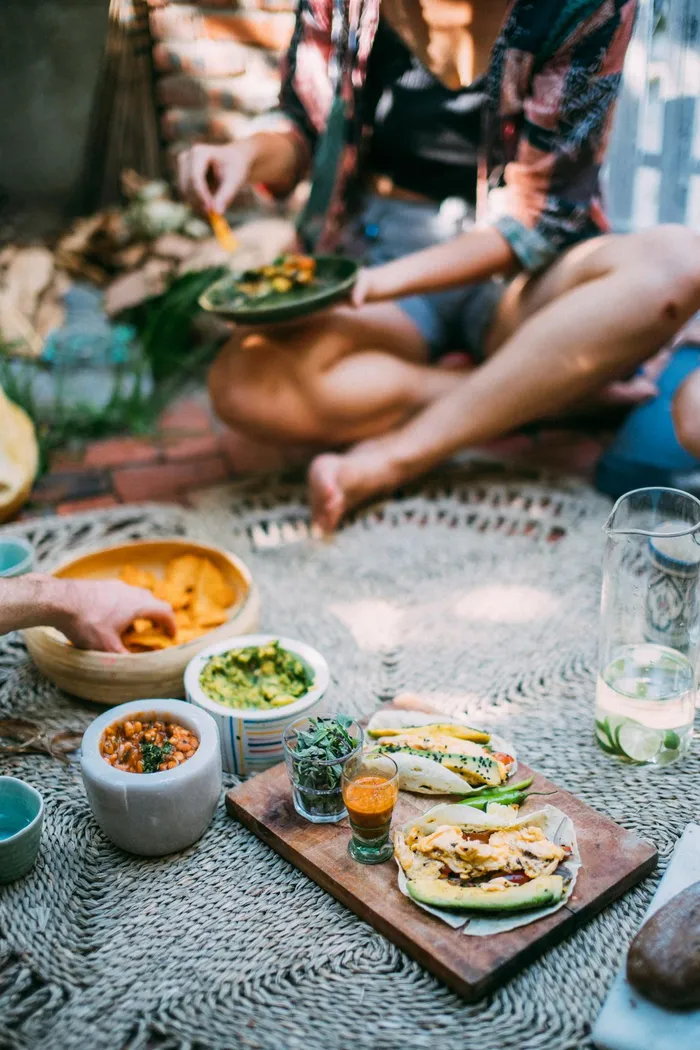
Among the foremost habits displayed by Blue Zone residents is the prioritisation of whole, minimally processed foods, consistent daily movement, a strong sense of purpose, and deep connections within their communities
Image: Anna Tarazevich/ Pexels
The diets of centenarians are vibrant, plant-forward and deeply nourishing. Here are the staples that fuel their long lives:
Vegetables
From kale to sweet potatoes, vegetables are the cornerstone of centenarian diets. Rich in antioxidants like vitamin C and beta-carotene, they combat oxidative stress, a key factor in aging and disease.
Registered dietitian Melvani notes that vitamin C also bolsters the immune system, helping the body fend off infections as we age.
Legumes
Beans, lentils and chickpeas are inexpensive, protein-packed powerhouses. High in fiber, they support gut health, stabilise blood sugar and reduce cholesterol, keeping the heart strong for decades.
Olive oil
In Ikaria and Sardinia, olive oil isn’t just a cooking staple, it’s a way of life. Packed with heart-healthy monounsaturated fats, olive oil reduces inflammation and supports brain health, making it a key player in longevity.
Fermented foods
Kimchi, miso and other fermented foods are stars of centenarian diets. Rich in probiotics, they support a healthy gut microbiome, which plays a crucial role in immunity, mood regulation and even the prevention of chronic diseases.
Nuts and seeds
Almonds, walnuts and sunflower seeds are nutrient-dense snacks full of healthy fats, fiber and antioxidants. They’re the perfect example of how small, mindful choices can have a big impact on health.
The lives of centenarians remind us that aging well isn’t about perfection, it’s about balance, intention and connection. It’s about savouring a glass of red wine with friends, walking to the market instead of driving and filling your plate with colorful, whole foods.