
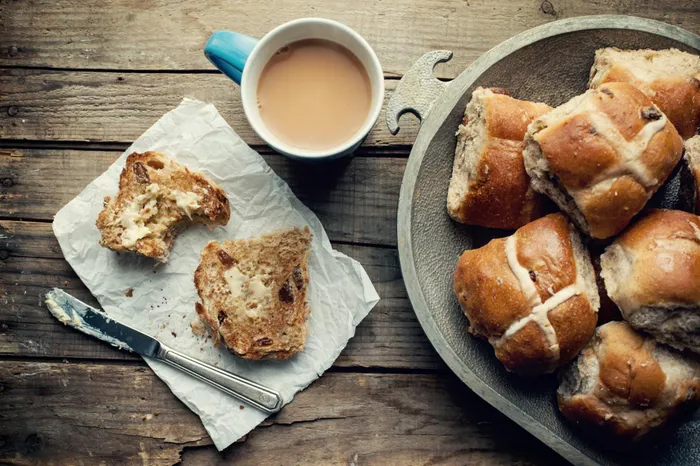
Hot cross buns have become a familiar part of the season.
Image: Jasmine Waheed / Unsplash
Walk into any supermarket this time of year, and it’s impossible to miss them.
Stacked high on shelves, packed in neat rows or freshly baked in-store, hot cross buns are everywhere in the lead-up to Easter.
Some people stick to the classic recipe with raisins. Others reach straight for the chocolate version.
And then there are those who toast them, pile on butter and call it a day.
However you eat them, hot cross buns have become a familiar part of the season.
But there’s more to them than just taste. These soft, spiced buns carry a story that goes back centuries.
Hot cross buns are believed to have originated in England, dating as far back as the 12th century.
One popular story tells of a monk who marked buns with a cross to honour Good Friday, the day Christians remember the crucifixion of Jesus.
Over time, the tradition stuck. The cross on top of the bun became a symbol of faith, while the spices inside were said to represent those used to embalm Jesus after his death.
Whether or not every detail is historically exact, what’s clear is that hot cross buns were never just about food.
They were tied to meaning, ritual and the calendar of the church.
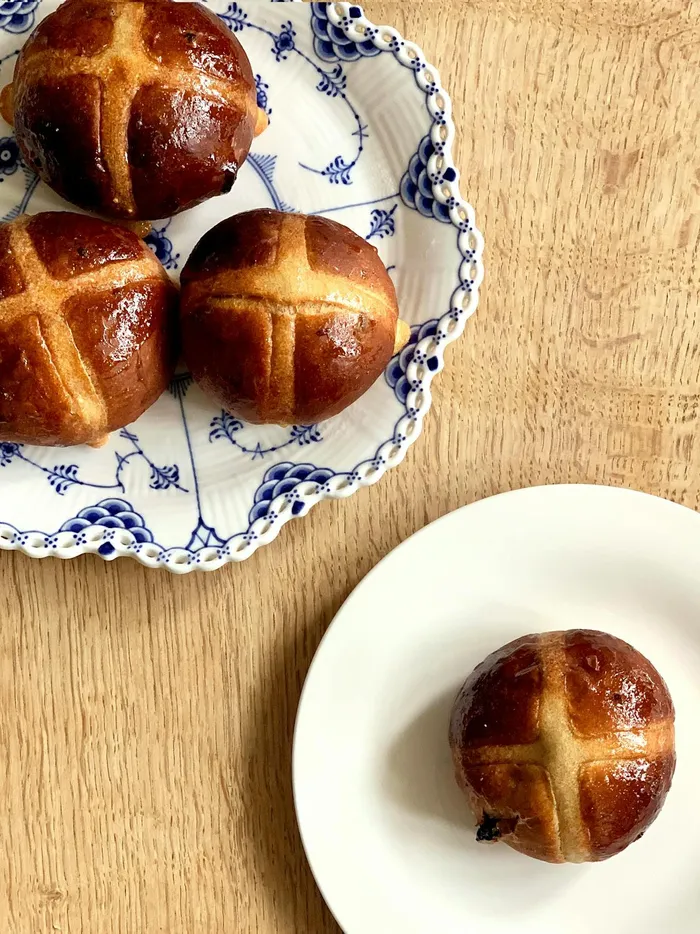
That simple cross on top is the most recognisable feature.
Image: Kulbir / Pexels
That simple cross on top is the most recognisable feature. For many, it represents the crucifixion. For others, it’s just part of the bun’s identity.
Interestingly, there were also old beliefs around these buns. In parts of England, people thought a hot cross bun baked on Good Friday would never go mouldy.
Some even kept one in the kitchen for good luck or protection.
It might sound far-fetched today, but it shows just how deeply rooted these buns were in tradition.
Fast forward to today, and hot cross buns have travelled far beyond their original roots.
In South Africa, they’ve become a seasonal staple, appearing weeks before Easter and disappearing just as quickly after.
Local bakeries and big retailers alike have put their own spin on them.
You’ll find everything from apple cinnamon to caramel and chocolate chip versions.
It’s a far cry from the simple spiced buns of the past, but that’s part of the appeal.
Food evolves, and traditions adapt.
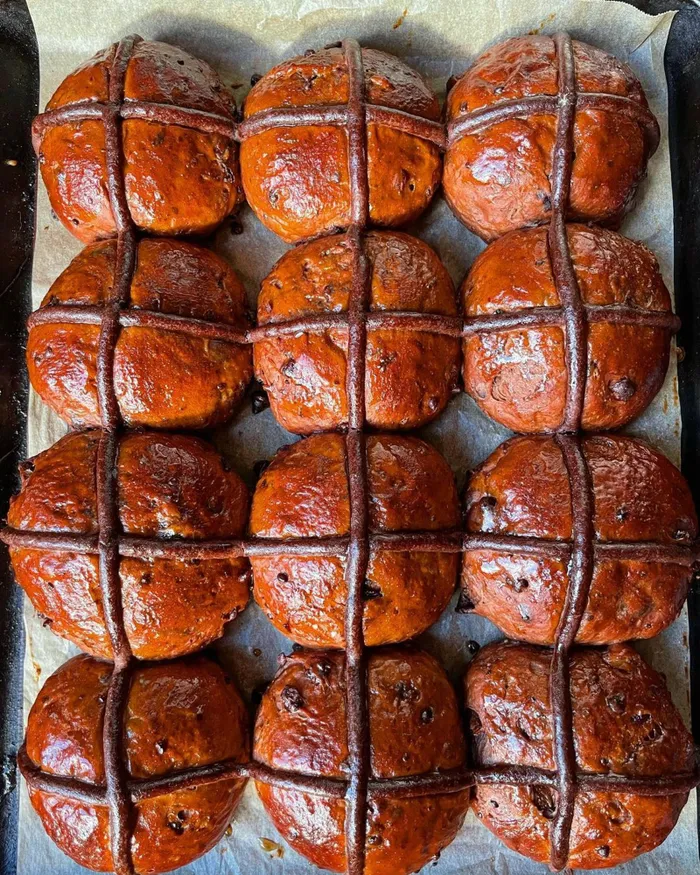
You’ll find everything from apple cinnamon to caramel and chocolate chip versions.
Image: Instagram/@michaeljamesbakes
Part of the charm of hot cross buns is the nostalgia.
For many South Africans, they’re tied to family, school holidays and slower mornings during the Easter break.
They’re also easy. You don’t need a big meal or a special occasion. Just a toasted bun, a bit of butter and a cup of tea.
And maybe that’s why they’ve lasted so long. Even as flavours change and trends come and go, the essence of the hot cross bun remains the same.
It’s comfort. It’s tradition. And for a lot of people, it’s a small but meaningful way to mark the season.