
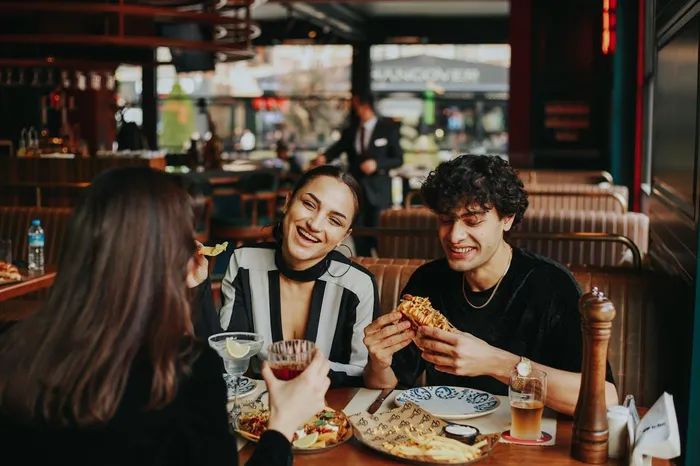
New data suggests that diners are becoming increasingly spontaneous, making decisions based on availability, cuisine, location and specials rather than having a particular venue in mind.
Image: Taha Samet Arslan / Pexels
The way South Africans choose where to eat is changing, and restaurant loyalty may no longer be the deciding factor.
Instead of searching for a specific restaurant, more diners are opening an app and asking a different question altogether: What can I book right now?
New data from restaurant reservation platform Dineplan suggests that diners are becoming increasingly spontaneous, making decisions based on availability, cuisine, location and specials rather than having a particular venue in mind.
It's a shift that is quietly transforming the local restaurant industry and changing how restaurants attract customers.
Looking back at the summer season between November 2025 and March 2026, Dineplan recorded 3.5 million restaurant bookings, translating into 15 million diners seated at restaurants across South Africa.
That's a 14.6 per cent increase compared to the previous summer, reflecting not only a strong appetite for dining out but also the continued growth of tourism and local leisure spending.
The numbers reveal that South Africans are still making the most of long lunches, special occasions and evenings out with family and friends. But they are approaching the decision-making process differently.
One of the most telling findings is that 79 per cent of users begin their restaurant search broadly.
Rather than looking for a specific establishment, they start by filtering according to what they feel like eating, which area they want to visit, what specials are available, or which restaurants have tables open.
In practical terms, that means many diners aren't saying, "I want to eat at this restaurant." They're saying, "I feel like seafood tonight" or "Where can I get a great breakfast nearby?" and then choosing from the options available.
The trend reflects a more flexible, experience-driven approach to dining.
Consumers are increasingly letting mood, convenience and timing guide their decisions, particularly when making plans at short notice.
That spontaneity is evident in booking behaviour. Dineplan's app, which grew by 30 per cent year-on-year, recorded 15.7 million views over the summer period. At the same time, 13% of all reservations were made on the very same day diners planned to eat out.
For restaurants, it creates both an opportunity and a challenge.
A strong reputation remains important, but visibility at the moment a diner is searching can be just as valuable.
Restaurants that are easy to discover online and able to accept real-time bookings are often the ones capturing these last-minute decisions.
The search data also offers an interesting snapshot of what South Africans were craving over the warmer months. Fine dining topped the list of the most searched categories, followed by breakfast, Italian cuisine, seafood and steakhouses.
The popularity of breakfast is particularly noteworthy. Once largely reserved for weekends, breakfast culture has become a major dining category in its own right, fuelled by café culture, remote work flexibility and a growing appetite for leisurely morning meet-ups.
Of course, some dining habits remain unchanged.
Fridays and Saturdays continued to dominate as the most social days of the week, with diners typically booking larger tables to celebrate, reconnect and unwind.
Most reservations were made between 11 am and 1 pm, suggesting many people are locking in their evening plans around lunchtime.
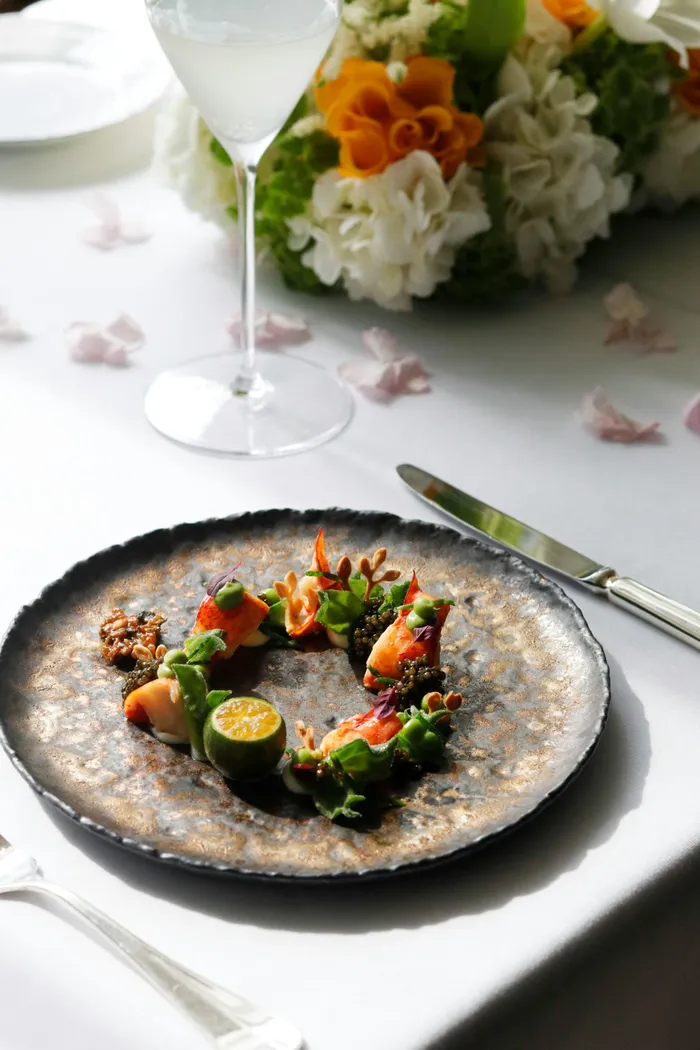
Fine dining topped the list of the most searched categories, followed by breakfast, Italian cuisine, seafood and steakhouses.
Image: liuyun wu / Unsplash
Valentine's Day was the busiest dining day of the entire season, seating 21 per cent more guests than any other day, while the first full week of December proved to be the busiest overall thanks to year-end functions, festive celebrations and holiday gatherings.
What emerges from the data is a picture of a dining public that is more fluid than ever before.
Diners are increasingly willing to try somewhere new if it meets their needs in the moment. They're browsing first, deciding later and allowing availability to influence their choices.
For consumers, that means more discovery and more opportunities to stumble upon hidden gems. For restaurants, it means being visible when diners are searching has become almost as important as what is on the menu.
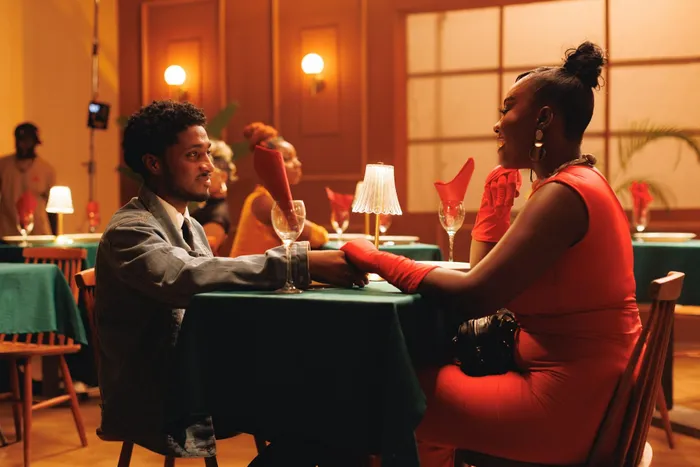
Valentine's Day was the busiest dining day of the entire season, seating 21 per cent more guests than any other day.
Image: Ben Iwara / Unsplash
As winter settles in and South Africans trade sunny terraces for cosy indoor tables, one thing appears certain: dining out remains one of the country's favourite pastimes.
The difference is that many diners are no longer starting with a restaurant name. They're starting with a craving.