
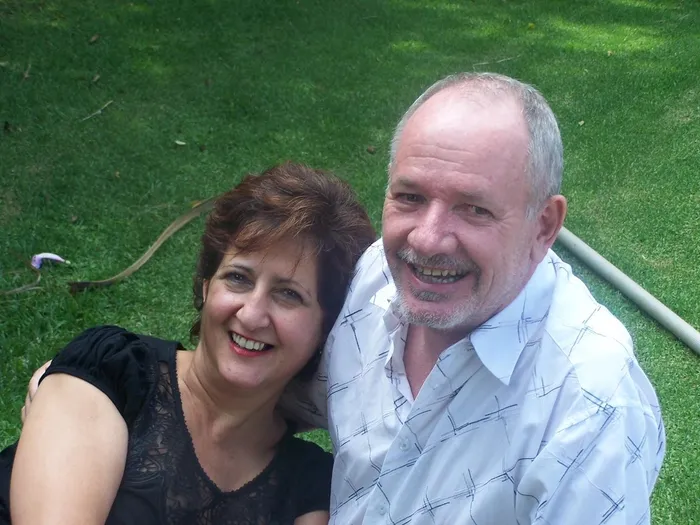
Mary and Neville in happy times.
Image: Supplied.
By Mary P Barnard Trollip
I'm lonely, even though my husband is sitting in the next room. I want to go out to dinner, see a movie, go on holiday… do all the things we used to do. But we can’t.
Neville has Motor Neurone Disease. He’s in the advanced stages now. He sits in his wheelchair, unable to move an arm or a leg, feed himself, scratch his ear or even wipe his nose.
It breaks my heart. He used to be so active, so independent and my companion, my lover, my soul mate.
Looking back, I think it started about eight years ago. At first, we thought it was stress. We’d opened a new business, and the hours were long. He was stumbling, slurring a bit. These things seemed odd, but no one could give us an answer.
Eventually, a doctor examined him and mentioned Motor Neurone Disease. We had never even heard of it.
It took months, maybe years, of uncertainty until a kind neurologist finally said the words: “I am so sorry. I believe you do have Motor Neurone Disease. There is no cure.”
I will never forget how he sat with us, his voice full of sorrow, telling us it was, essentially, a death sentence.
We walked out in silence. Stunned. It didn’t feel real. How could this be happening?
We told our children. They were devastated. Monique, our daughter, was three months pregnant with our first grandchild. I spent the next few months crying almost every day. Neville was calm. Resilient. I think he needed time to accept it, too.
Life carried on. Slowly, symptoms worsened. First it was stairs, then his balance, then his hands. But he was insistent: “We are not going to make this a sad journey.”
So, we laughed. We joked. When something new stopped working, we made a joke about that, too.
When he turned 60, our children organised a trip to Namibia, which was something he’d always wanted to do. What a magical adventure. Camping under stars, climbing dunes, watching our younger son propose to his girlfriend at the top of Dune 42.
We laughed until we cried. We froze in our tents and loved every minute. We knew it was our last trip together. That made it all the more precious.
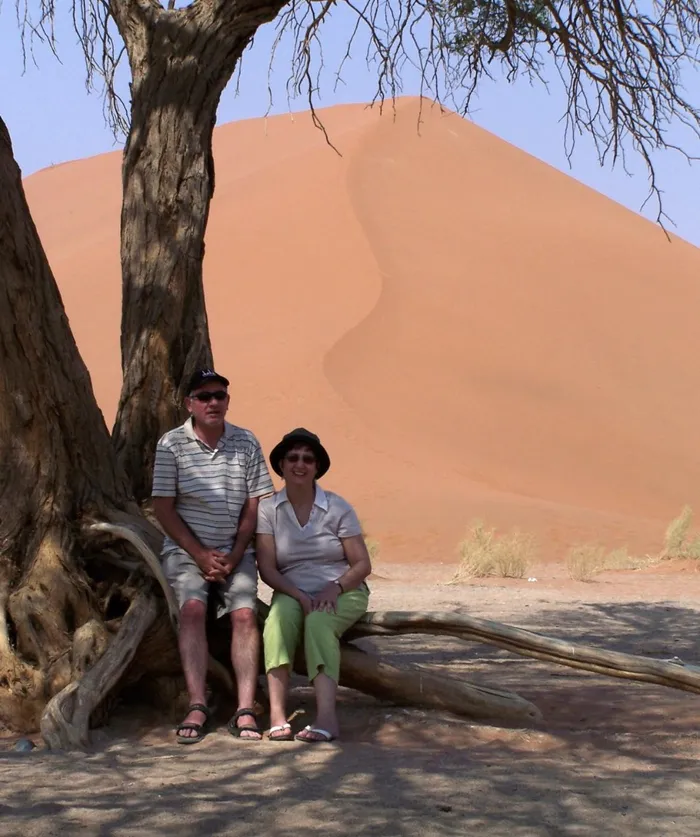
Mary and Neville on their last holiday together with all their family - in Namibia.
Image: Supplied
Through it all, we met others living with MND. Liz Keth, from the MND Association, became a lifeline. She held coffee mornings and encouraged us to meet others like Neville. I was reluctant at first, afraid it would be too depressing. But those mornings were filled with joy, laughter and companionship. We made real friends.
But watching those friends decline and then, one by one, pass away was unbearable. It felt like we were losing family.
Neville kept his sense of humour and grace. Even as he went from using a crutch to being fully dependent. We had ramps built, moved out of our home of 35 years into a smaller retirement unit. We packed decades of memories into boxes in two weeks. Our sons had the unenviable task of clearing out his beloved garage.
When this sort of illness strikes, you quickly learn who your real friends are. Some vanished. But others showed up, over and over. Bringing takeaways. Wine. Dessert. The gift of time. Of laughter.
Neville needed more care as things got harder. I was doing it all alone - lifting, feeding, bathing - until my own body started giving in. We hired a night nurse, eventually finding a good carer. Our housekeeper, Dumo Ndlovu, also stepped in like an angel, always kind, always laughing with him.
Neville never once complained. Not when he could no longer feed himself. Not when he had to be suctioned after choking. Not when he had to be fed through a tube. He still greeted everyone with a “Fine, thanks.” He amazed me every single day.
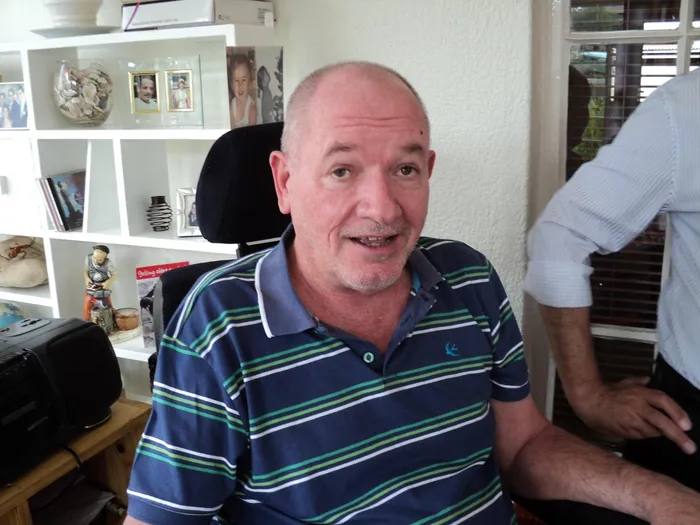
"Neville never once complained."
Image: Supplied
He loved being with our granddaughter, Isabella. She visited every day, pushed his wheelchair with determination, and made sure she was always by his side, even when he went to the bathroom. When Billy, another grandchild, was born, we’d sit them both on a blanket together. Neither could move to the other, but they seemed content just to stare at each other.
There were moments of joy. Our son’s wedding. Neville walking his new daughter-in-law down the aisle. Our “last dance”.
Eventually, his appetite faded. He grew weaker. He seemed tired, not just physically, but emotionally. The sparkle dimmed. His fears about choking were real, but he kept going with such courage. We did everything to ease his discomfort from silk sheets, special mattresses, breathing masks, and soft food. But I could see him slipping.
Just before Christmas, our dear friend from the MND group passed. “She just couldn’t go on,” her husband said. It was hard. We celebrated Christmas as best we could with lunch with the whole family, board games and takeaways on New Year’s Eve.
On the first weekend of January, something felt off. Neville was needing the bathroom more than usual. I suspected a bladder infection and called the doctor. Our sons happened to visit that morning - totally unplanned - and had lovely chats with him. Later, I helped Neville to the toilet, uneasy. Something told me to open the doors and press the panic button.
Then he said, softly, “No energy.”
I ran to him. Called the doctor. I held him in my arms. The doctor arrived and said, gently, “He’s gone.”
A clot, they said. Quick. Merciful. He didn’t suffer. He didn’t choke. My prayers that he didn’t have a difficult passing had been answered.
Telling the children was the hardest thing I’ve ever done. I just said, “Come.” They knew.
We buried him days later. Family, food, flowers … it was all a blur. I remember thinking, two weeks later, “I’m doing okay.” I put up some of his photos. Then a day later, I cried and took them all down again.
It’s been a few years now. We speak of him often. Sometimes with tears, sometimes with laughter. We miss him. Every day. I still find myself wanting to tell him things.
But we are healing. Slowly. I don’t know what the future holds. But I know we were lucky. To have had him. To have loved him. To have been loved by him.
And I thank God every day that when the time came, he went gently.
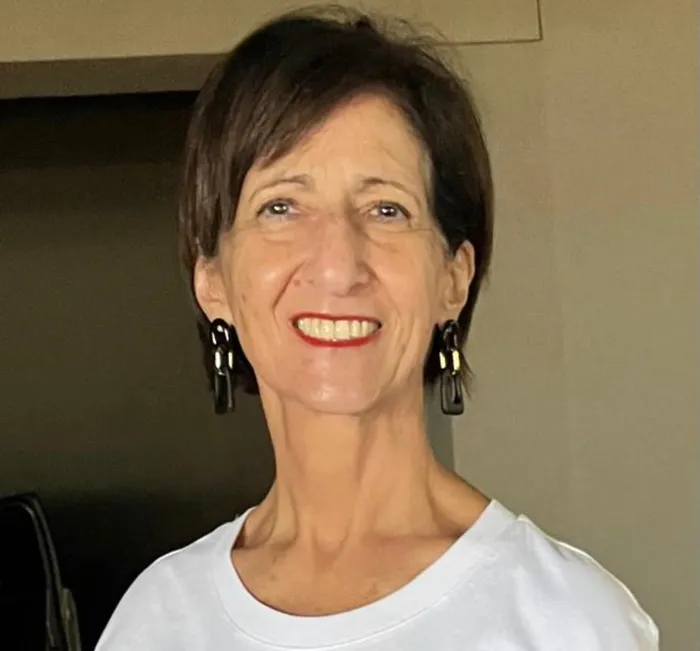
Mary: A resilient survivor
Image: Supplied
It’s now 13 years later, and life has carried on. I often think of Nev and wish he could see his children and grandchildren. He would have been so proud of them.
I was lucky enough to meet and marry another very special man, Peter Trollip, and we have been very happily married for 10 years. He has three lovely grown-up children, and together we have 13 grandchildren ranging from three months to 16 years of age. Our two families have blended together very well and it's like one big happy family.
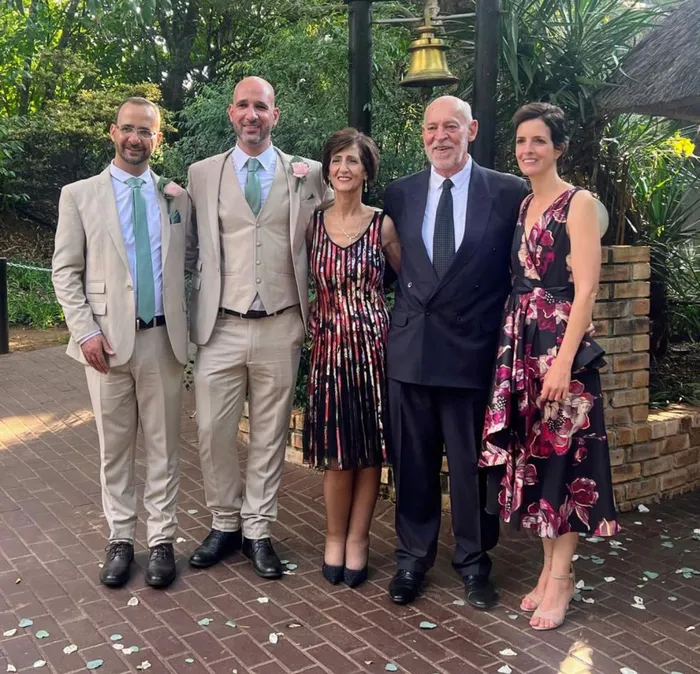
Mary, with her two sons, daughter and husband Peter Trollip.
Image: supplied
Unfortunately, I got cancer a couple of years after we married, and although it's been cured, I suffer from bad health due to the ongoing side effects it left me with. God has blessed me, though, and my "Peter T" (as I call him) has been simply amazing in helping me cope.
My three children and I are still very, very close, and despite the challenges in life, I thank God everyday for all my blessings, starting with Neville and now everyone else.
It is a rare, progressive neurological condition that affects the nerves (motor neurones) in the brain and spinal cord that control muscle movement. Over time, these nerves become damaged and eventually stop sending signals to the muscles, leading to weakness, wasting, and eventual paralysis.
MND does not affect a person’s ability to think, feel or understand, but it gradually robs them of their ability to walk, talk, eat, and breathe. There is currently no cure, and the disease varies in how it progresses from person to person.
Despite its severity, many people living with MND show extraordinary courage and resilience in the face of a life-limiting diagnosis.