
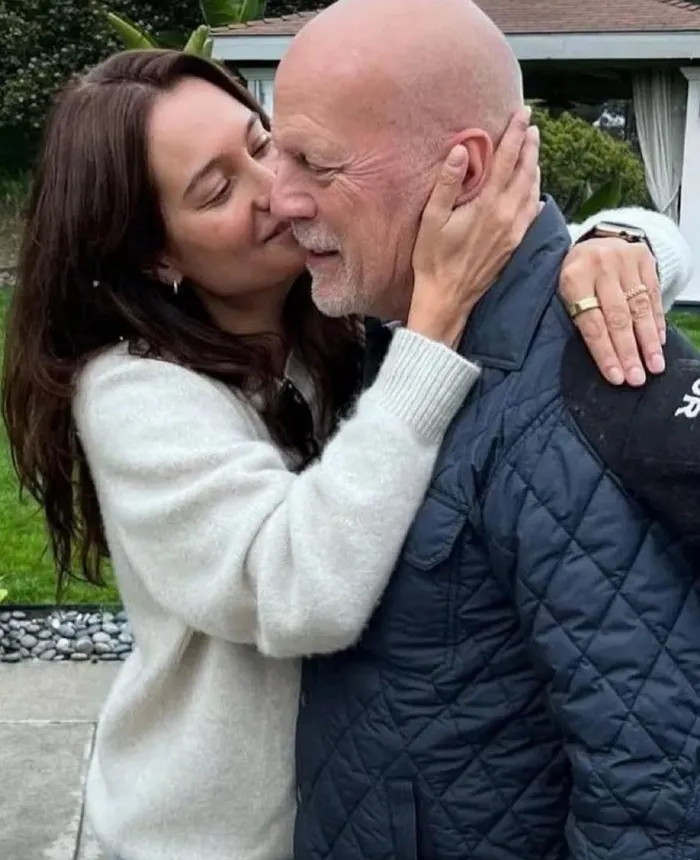
Emma Heming revealed that her husband, Hollywood icon Bruce Willis, now lives in a separate home because of his dementia diagnosis
Image: Instagram
When Emma Heming Willis revealed that her Hollywood icon husband Bruce Willis now lives in a separate home because of his dementia diagnosis, she knew eyebrows would rise.
She knew some people would question, others would criticise, and many would misunderstand. But she also knew one thing: it was “important to share”.
This decision was about more than Willis. It was about love, dignity, and getting through each day.
Willis, now 70, was diagnosed with frontotemporal dementia (FTD), a progressive condition that changes personality, behaviour, and language. This disease doesn’t just affect memory. It changes family life, puts stress on relationships, and makes caregiving significantly more challenging.
For Heming, who is raising their two young daughters, Mabel, 13, and Evelyn, 11, the choice to move Willis into a nearby one-story home was not about separation; it was about creating balance.
“We needed a calm, serene atmosphere for Bruce,” she explained in a recent conversation with Tracy Pollan at 92NY’s' Inside The Unexpected Journey'. But we also needed space for our girls to be kids again, to have playdates and sleepovers without tiptoeing around.”
The hidden burden of caregiving
Willis’s story is painfully familiar to millions of families worldwide.
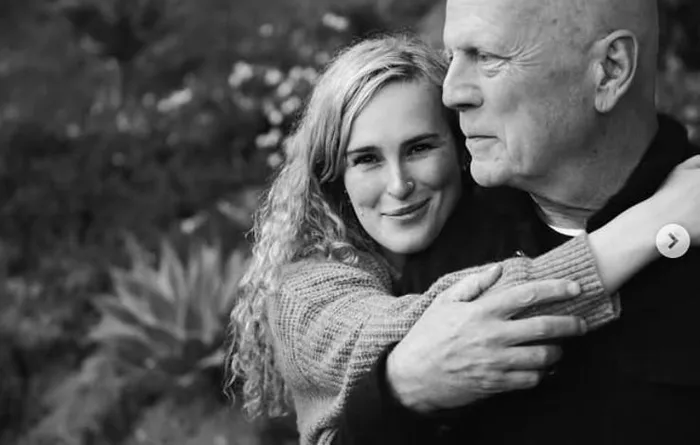
SWEET MEMORIES: Rumer and dad Bruce Willis
Image: Instagram
Dementia is not a single disease; it’s an umbrella term for conditions that affect memory, reasoning, and daily functioning. According to the World Health Organization, around 55 million people worldwide live with dementia, with nearly 10 million new cases each year.
The most common type is Alzheimer’s disease, which gradually erodes memory and independence. Vascular dementia stems from reduced blood flow to the brain, often linked to strokes.
Lewy body dementia can trigger hallucinations and sleep disturbances. And in Willis’ case, frontotemporal dementia primarily affects behaviour, personality, and communication, often appearing earlier in life than Alzheimer’s.
For families, each type brings its own set of challenges. But what unites them is the emotional, financial, and physical toll of caregiving.
Willis was always in the Hollywood spotlight. Now, his story shines a light on dementia, caregiving, and what it means to care for someone who is ill.
Caregiving often falls to family members, and while it is an act of love, it can take a devastating toll. Research published in The Gerontologist found that dementia caregivers face higher risks of depression, anxiety, and burnout compared to other caregivers.
Heming echoed this reality on "Good Morning America" when she shared the grim reality her neurologist gave her: “Sometimes caregivers die before their loved ones.”
“That was my wake-up call,” Heming admitted. I realised I needed help, and that doesn’t make me a failure. I needed permission to care for myself so I could keep caring for Bruce.”
Caregiving is complicated. It means handling physical, emotional, and practical needs in many situations. Caregivers need skills like communication, empathy and problem-solving. The amount of care needed depends on the person and their situation, and it often requires attention around the clock.
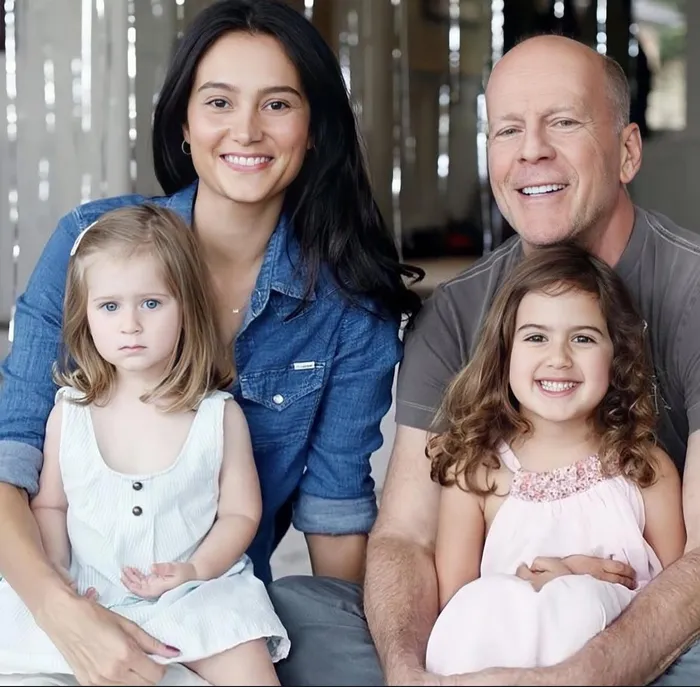
Emma Heming Willis and Hollywood icon Bruce Wiilis and their two young daughters, Mabel, 13, and Evelyn, 11,
Image: Instagram
Heming confessed that going public with her husband’s living arrangements felt like a “social experiment”.
Support flowed from family and friends, but the public’s response was mixed.
“People will have an opinion,” she said, “but unless they’ve walked the journey of FTD with two young children, they don’t get a vote,” she told "People".
The guilt and shame that many caregivers feel are compounded when society questions their choices. A Frontiers study highlighted how stigma around dementia extends beyond the patient; it affects entire families, shaping how decisions are made and how openly they are shared.
Despite criticism, she stands firm. “What I know now is that Bruce’s needs are met 100% of the time. Our daughters’ needs are met 100% of the time. And I’m never going to defend that.”
What Heming and her family are showing us is more than a celebrity story; it’s a lens into what thousands, perhaps millions, of families live through in silence.
The choices about relocation, care, boundaries and dignity are both intensely personal and deeply political. They force us to ask uncomfortable questions:
Her decision is radical in its honesty. In choosing to keep her children’s well-being visible to let sleepovers and laughter return, she at once resisted a model of caregiving that isolates victims and caregivers alike.
She also permitted others to make decisions rooted not in guilt, but in what actually works.
Lessons for families everywhere
1. Self-care isn’t optional. Caregivers need rest, support systems, and help. The idea that “if you can’t do it all, you're failing” is dangerous for everyone involved.
2. Set boundaries and expect criticism. It’s going to come. But those boundaries protect more than peace; they protect mental health.
3. Seek help. Whether medical, emotional, or logistical.
4. Let go of judgment from others and yourself. Decide what works for your family. What protects dignity, love and health?
In the end, dementia steals so much, but it doesn’t have to take everything.
If you’re caring for someone with dementia, or know someone who is, you don’t have to walk this path alone. There are experts, support groups, and resources.