
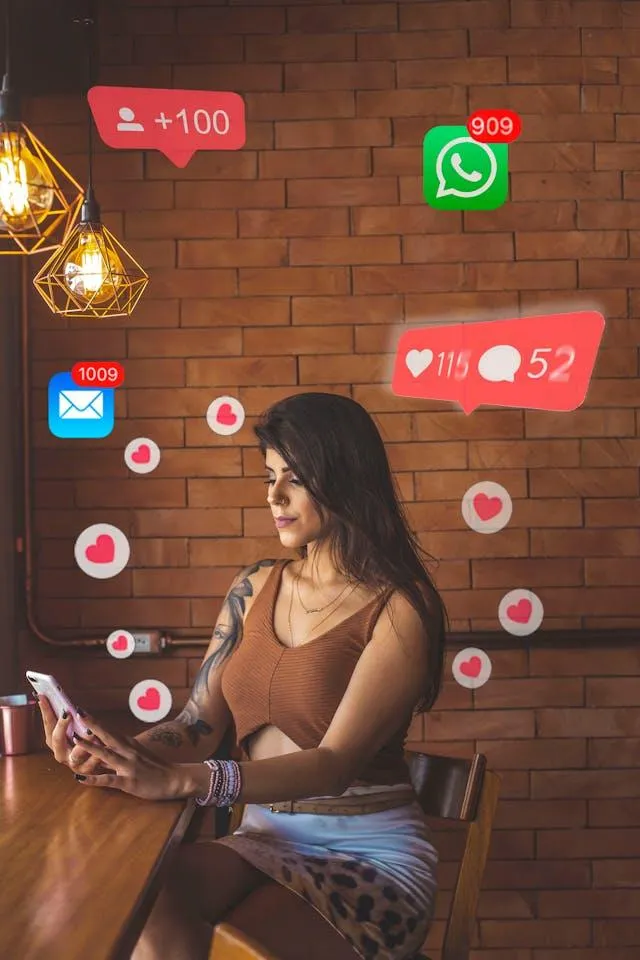
The internet once felt like a safe space for expression, but now it can feel like a minefield.
Image: Dalila Dalprat /pexels
Not too long ago, social media felt like a digital scrapbook of our lives. We posted blurry photos of family gatherings, messy selfies with friends and random musings about our day.
Our feeds were imperfect, personal, and full of life. I still remember the comments from friends, questions about my day, jokes, or heartfelt reactions to a silly photo.
Social media felt warm and connected, a reflection of who we really were.
But now? The feeds look different. Polished. Staged. Curated. They’re like glossy magazines full of perfect vacations, aesthetic coffee cups, and glowing sunsets.
Everyone seems to be selling something, even if it’s just the idea of themselves. And somewhere along the way, the raw, unfiltered connections we once shared quietly disappeared.
How did we go from sharing our messy, beautiful lives to retreating into silence or posting only calculated perfection?
The shift didn’t happen overnight. It started subtly, with small choices. First, we began picking only the best photos. Then came filters, carefully planned captions, and even photoshoots specifically for Instagram. Social media, once a space for connection, turned into a stage.
As platforms like Instagram and TikTok evolved, they introduced features designed for performance stories, reels, editing tools and algorithm-driven feeds.
Suddenly, it wasn’t just about sharing; it was about standing out. The pressure to present a perfect life became overwhelming, and the stakes felt higher.
Kyle Chayka, writing for "The New Yorker", described this phenomenon as "posting zero”. It’s the moment when people consciously stop sharing their lives online because the risks of judgment, comparison or even online shaming outweigh the benefits.
Social media became less about connecting with friends and more about curating a public persona.
One of the biggest reasons people are pulling back is fear. Fear of judgment, fear of being misunderstood, fear of going viral for the wrong reasons.
The internet once felt like a safe space for expression, but now it can feel like a minefield.
Everyone is scared that something they share might attract the attention of social media’s angry hordes, always ready to accuse.
This fear is compounded by the rise of cancel culture and the hyperawareness of how words and images can be misinterpreted or even weaponised. Many of us have learned the hard way that broadcasting our private lives online can come with unintended consequences.
Then there’s the comparison game. Social media has become a constant scroll of highlight reels, where everyone’s life seems shinier, happier, and more successful than our own. It’s exhausting to compete with perfection, and many people now choose not to compete at all.
A study published in the "Financial Times" found that social media usage has fallen by as much as 10% globally, with younger generations leading the decline. The same generation that once lived online is now growing tired of it.
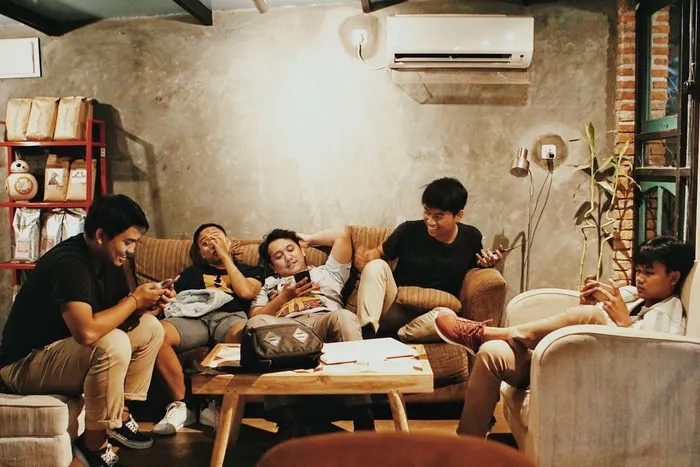
In a world dominated by filtered perfection, are we losing the art of genuine interaction?
Image: Afta Putta Gunawan/pexels
But it’s not just fear or exhaustion driving this change; it’s also a deeper desire for privacy and intimacy. Rather than posting to hundreds (or thousands) of followers, people are turning to private group chats, close friends lists, and direct messages to share their real lives. It’s a quieter, more intentional form of connection.
Social media researchers point out that platforms have lost much of their original purpose.
It’s more about lifestyle aspiration, not just what’s going on around you and how you’re relating to friends and family.
What used to feel like a digital extension of our social lives now feels like a never-ending stream of ads and influencer content. For many, it’s simply not worth it anymore.
The mental health toll of social media is another major factor. Studies have shown that constant exposure to curated “perfect” lives can lead to feelings of inadequacy, anxiety and even depression.
The pressure to perform online has made social media feel less like a tool for connection and more like a chore.
So, where does this leave us? If social media is no longer the vibrant, personal space it once was, what’s its purpose?
For many, stepping back from social media has been a way to protect their peace of mind. By posting less or not at all, they’re reclaiming their time, energy and mental health.
They’re spending more time offline, investing in real-life relationships and finding joy in moments that don’t need to be shared with the world.