

Healthier eating doesn't have to be costly.
Image: Freepik
January has become the unofficial month of the big reset. It is the time when many people commit to being healthier, getting fitter or finally changing the way they eat.
But when it comes to healthier eating, a common belief is that it comes with a hefty price tag.
Between social media posts filled with organic kale smoothies and so-called superfoods that cost more than a tank of petrol, it can feel as though eating well is a luxury reserved for the wealthy.
The reality, especially in South Africa, is quite different. Some of our most nutritious food options are hiding in plain sight, right there in the most affordable aisles of your local grocery store.
If you want to fuel your body better without emptying your bank account, here is how to kickstart your journey with a realistic and budget-friendly approach.
The quickest way to overpay for food is to buy produce that is out of season.
When fruits and vegetables are in peak season, they are at their most affordable and nutritious.
In summer, focus on hydrating and nutrient-dense options like cucumbers, green beans, peppers, and berries.
While stone fruits like peaches are available, keep an eye on portion sizes.
In the winter months, the shelves fill up with affordable gems like pumpkins, gem squash, cabbage, and cauliflower.
Citrus fruits like oranges and naartjies are also at their peak during the colder months, providing a massive boost of Vitamin C when you need it most.
Visiting a local farm stall or a veggie combo deal at your local grocer is often much cheaper than buying pre-packaged portions.
Meat is often the most expensive item in the trolley.
One of the best ways to slash your grocery bill while upping your fibre and protein intake is to embrace “Meatless Mondays” or even better, “Meatless Weekdays.”
Beans, lentils, and chickpeas are incredibly affordable.
Lentils can bulk out a savoury mince dish, making it stretch for two nights instead of one.
They add bulk and texture while keeping you full for much longer than a meat-only dish would.
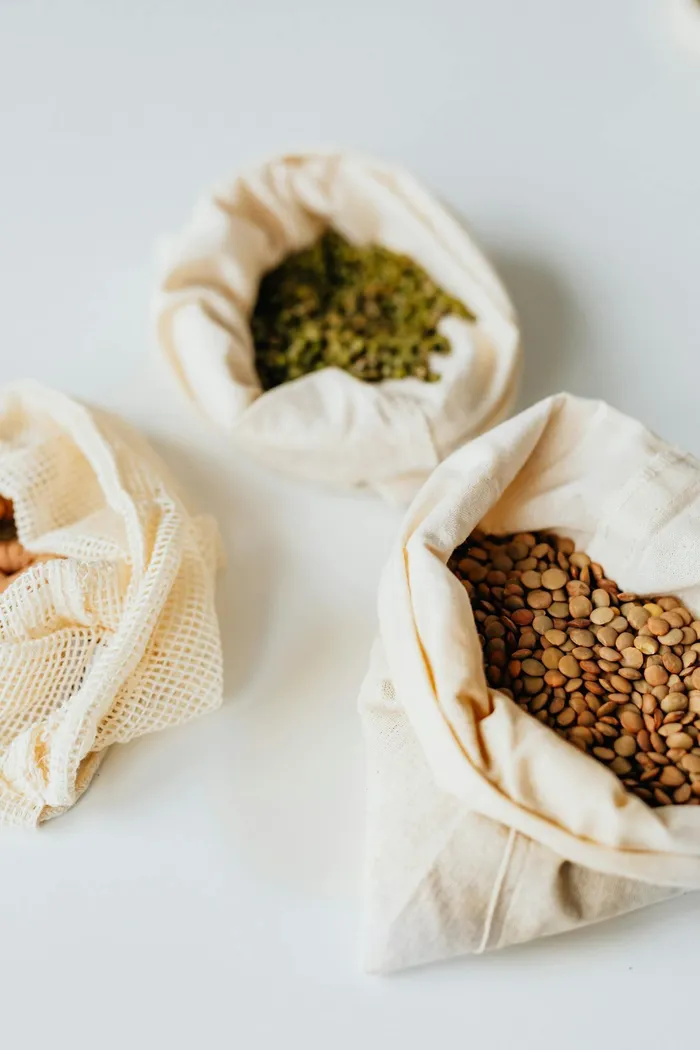
Beans, lentils, and chickpeas are incredibly affordable.
Image: Karola G / Pexels
There is a common myth that fresh is always better. In reality, frozen vegetables are usually picked and frozen at their nutritional peak.
A bag of frozen spinach or mixed stir-fry veg is often cheaper than fresh bunches, and you do not have to worry about them wilting in the bottom of the fridge if you have a busy week.
Avoiding food waste is one of the most effective ways to save money while staying on track with your health goals.
You do not need expensive imported foods to be healthy. South Africa has its own incredible superfoods that are budget-friendly.
Rooibos tea is packed with antioxidants and is much cheaper than fancy imported detox teas.
Tinned pilchards and sardines are excellent sources of Omega-3 fatty acids and protein.
Even a simple bowl of oats provides excellent slow-release energy for the day without the high price tag of luxury granola.
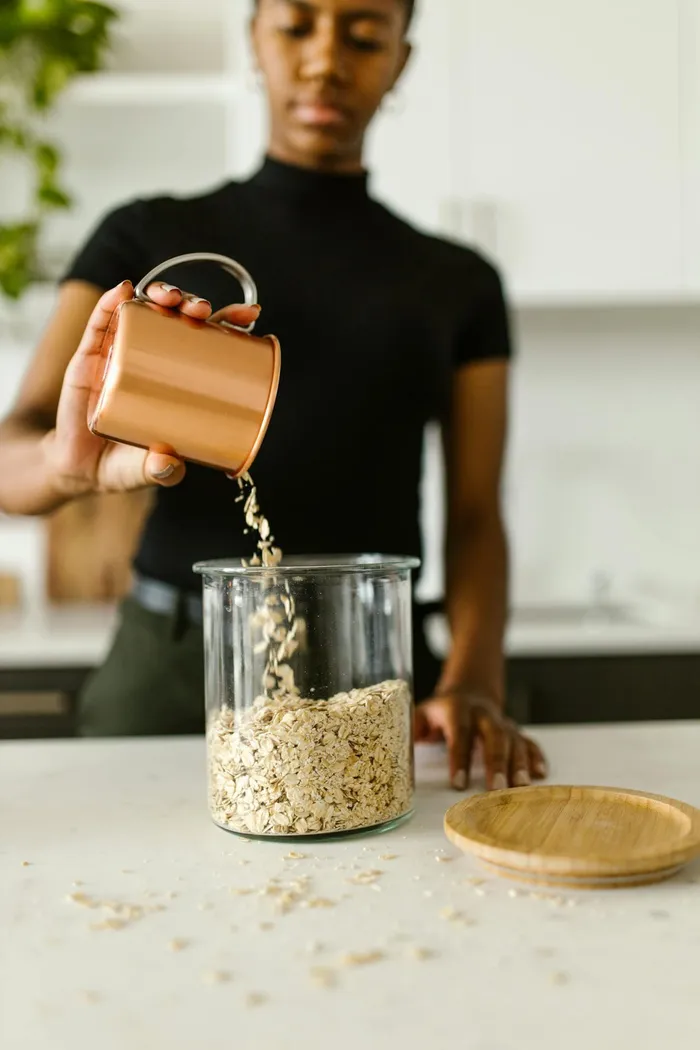
Oats provides excellent slow-release energy for the day.
Image: RDNE Stock project / Pexels
Health goals often fail because we get tired or busy. When you have the energy to cook, make a double batch.
Having a healthy portion of stew or curry in the freezer prevents that expensive 7 pm takeaway order when you are too tired to stand at the stove.
This keeps your nutrition on track and your bank balance healthy.
You do not need a complex recipe with ingredients you cannot pronounce.
A piece of grilled chicken or fish, a small portion of starch, and a big helping of seasonal veg is a world-class meal.
Healthy eating is not about perfection. It is about making slightly better choices than you did yesterday.