

Experts suggest that shifting hormone levels could be the silent culprit behind your lack of vigour.
Image: Titiwoot Weerawong / Vecteezy
The start of January is usually charged with fresh ambition, as we set big goals, join new gyms, and ride the wave of “new year, new me” energy.
But by the time February rolls around, that initial buzz often starts to fizzle out.
For many, the excitement is replaced by a lingering sense of fatigue that a second cup of coffee just can't fix.
While it’s easy to blame a busy schedule, there might be a deeper biological reason for your slump.
Experts suggest that shifting hormone levels could be the silent culprit behind your lack of vigour.
As we age, our sex hormones naturally begin to decline.
In men, this means a drop in testosterone, while women experience falling levels of estrogen and progesterone.
These aren't just important for reproduction; they are the chemical messengers that tell our bodies to stay strong and alert.
Ingrid Singels, Associate Director of Pharma Dynamics’ Scientific Division, explains that these hormones are foundational to our well-being. “Sex hormones play a vital role in maintaining energy, mood, muscle mass and bone strength – all of which influence how strong and energised we feel,” she says.
When these levels are off-balance, the impact is felt both physically and mentally.
According to Singels, “These hormones don’t just regulate reproduction – they help maintain the systems that make us feel physically and mentally strong. When these levels decline, it can affect everything from our ability to recover after exercise to how motivated we feel.”
It can be difficult to tell the difference between “normal ageing” and a hormonal imbalance.
However, there are specific signs to look out for depending on your biology.
For men
Men may notice a condition known as late-onset hypogonadism. Research shows that testosterone levels typically drop by about 1 per cent every year after age 30. Common signs include:

Unexpected weight gain, particularly around the stomach can be a sign of a drop in testosterone levels.
Image: Unsplash
For women
For women, especially those approaching or going through menopause, the drop in estrogen and progesterone can be quite disruptive.
“Menopause is a natural life stage, but that doesn’t mean women should suffer in silence,” says Singels. “Hormone fluctuations can have real physical and emotional effects. Understanding and addressing them can greatly improve quality of life.”
Key signs for women include:
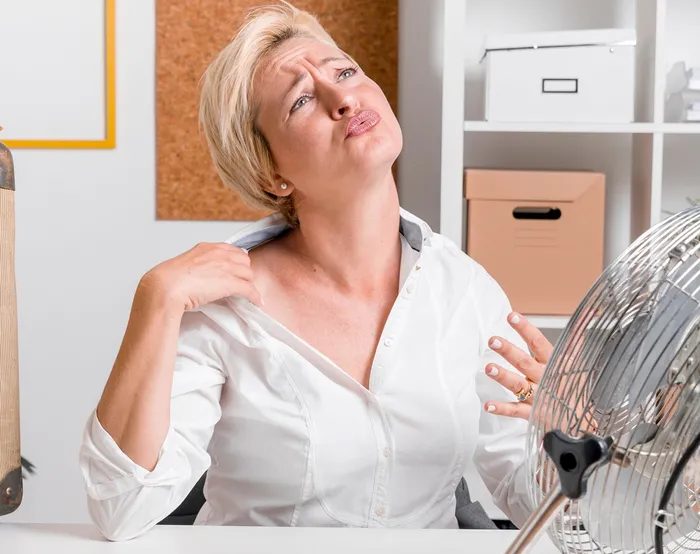
Woman can experience hot flashes.
Image: Freepik
If you feel like you are pushing through treacle every day, it is worth talking to a professional.
“These symptoms are often blamed on stress, ageing or a busy lifestyle, but sometimes there’s an underlying hormonal reason that can, and should be addressed,” explains Singels.
A simple blood test can often check testosterone levels for men. For women, doctors usually look at a combination of symptoms, age, and medical history to get the full picture.
Singels suggests that a midlife checkup is a great way to establish a baseline for your health.
“A midlife checkup isn’t just about finding problems. It’s about understanding where your body is now, so you can take steps to protect your health and feel your best in the years ahead.”
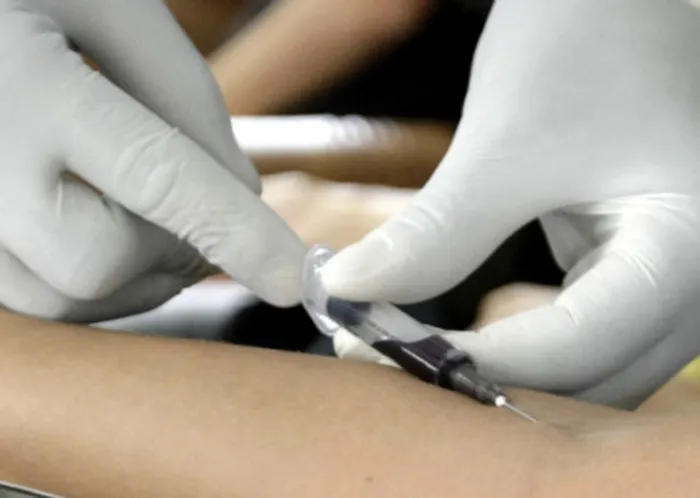
A simple blood test can often check testosterone levels for men.
Image: Sergio Moraes
While you should always consult a doctor before trying “hormone boosters,” certain lifestyle habits can help your body adapt to these changes naturally.

Lifting weights or doing resistance exercises helps preserve muscle and supports healthy hormone production.
Image: Furkan Elveren / Pexels
As Singels notes, “Small, consistent changes to your daily routine – like moving more, eating well, resting properly and managing stress can make a big difference to how you feel.”
By understanding the science behind your energy levels, you can move past the February slump and find your strength again.