
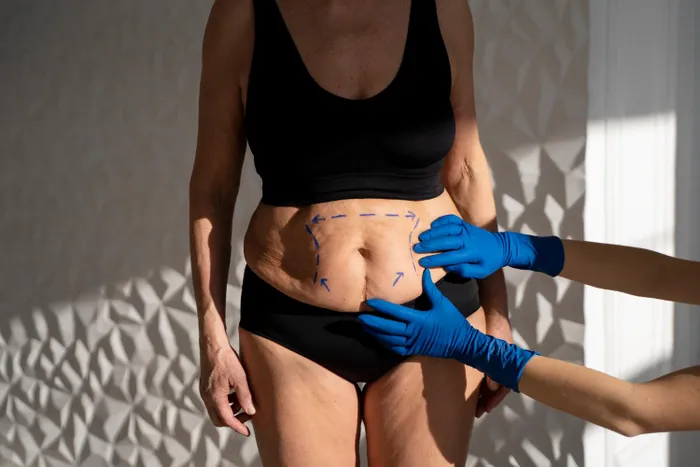
Surgery is not the shortcut many people believe it to be.
Image: Freepik
Body contouring procedures like liposuction and tummy tucks are more visible than ever, driven by social media transformations that often focus on dramatic results while leaving out the medical reality behind them.
To better understand what patients need to know, IOL spoke to Professor Chrysis Sofianos, a leading aesthetic surgeon, about what truly happens before, during, and long after these procedures.
His message is clear. Surgery is not the shortcut many people believe it to be.
One of the biggest misconceptions is that body contouring surgery offers instant results with minimal effort.
In reality, these are major medical procedures that require proper planning, clearance, and recovery.
“Surgery is not the endpoint. It is the beginning of a recovery journey,” he explains.
Patients must be prepared for swelling, discomfort, restricted movement, and gradual healing. Recovery can take weeks, and in some cases, months.
Emotional readiness is just as important as physical readiness, as the healing phase can test patience and expectations.
Many people assume being “fit and healthy” simply means looking slim. But medically, the definition is far more specific.
Surgeons assess several critical factors before approving someone for surgery, including stable weight, healthy blood pressure and blood sugar levels, good heart and lung health, and adequate haemoglobin levels.
Nicotine use is also a major concern, as smoking and vaping can significantly impair healing.
Patients also need proper nutrition, baseline fitness, and realistic expectations to ensure safe anaesthesia and optimal recovery.

Surgeons assess several critical factors before approving someone for surgery.
Image: Thirdman / Pexels
Preoperative screening is not just routine. It can uncover serious issues patients did not know they had.
Blood tests help assess oxygen-carrying capacity, clotting ability, blood sugar control, and nutritional status, all of which directly affect healing.
Nicotine testing is also used, as even occasional smoking can increase complications.
In some cases, additional imaging, such as chest X-rays, may be required to assess lung health.
These tests often reveal conditions such as anaemia, early diabetes, poor nutrition, or ongoing nicotine exposure.
Identifying and correcting these issues before surgery significantly improves safety and outcomes.
Preparation begins weeks before the procedure. Certain habits can dramatically improve recovery and results.
Weight stability is also critical. Significant weight gain or loss after surgery can compromise results and affect healing.
Many patients underestimate how demanding recovery can be, particularly after a tummy tuck.
The first two weeks can involve tightness, discomfort, and difficulty standing fully upright.
Every day movements may feel restricted, and support at home becomes essential.
Liposuction recovery is generally faster, but swelling can persist for months before final results become visible.
Planning ahead is essential. Patients need time off work, help with childcare if needed, and support at home to assist with daily activities.
One of the most important realities is that body contouring surgery enhances shape but does not replace healthy habits.
Liposuction removes fat but cannot tighten loose skin or strengthen muscles.
A tummy tuck can remove excess skin and tighten abdominal muscles, but it is not a weight loss solution and cannot prevent future weight gain.
Maintaining results requires long-term commitment, including:
Without these lifestyle habits, results may not last.

Maintaining results requires long-term commitment.
Image: Pavel Danilyuk / Pexels
Surgeons also assess psychological readiness.
Patients expecting surgery to fix deeper emotional issues, relationship problems, or self-esteem challenges may not achieve the satisfaction they hope for.
Surgery can improve confidence, but it cannot resolve underlying emotional struggles.
Patients should feel empowered to ask important questions before committing. These include:
Transparency and trust between patient and surgeon are essential.
The most successful outcomes happen when patients understand that surgery is only one part of the journey.
Preparation, recovery, and long-term lifestyle choices all play a role in achieving and maintaining results.
As Professor Sofianos emphasises, surgery can change your shape, but your habits and discipline determine how long those results last.