
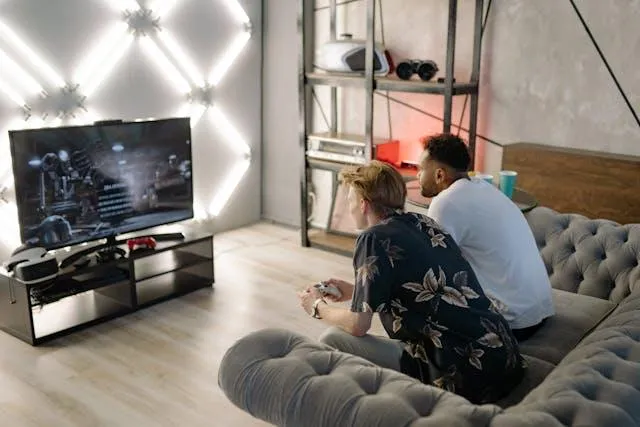
Discover the shocking truth behind digital eye strain and learn how you can protect your eyes in our screen-obsessed world.
Image: Yan Krukau//pexels
“I thought it was just stress," confessed a 32-year-old animator.
"But when I started seeing halos around lights and couldn’t focus on my work, I knew something was wrong.”
In an age where success is measured in screen hours, the silent toll of our digital lives is becoming impossible to ignore.
According to a February 2026 report examining vision problems caused by digital work, it revealed that 60% of Americans now suffer from computer vision syndrome (CVS), also dubbed “digital eye strain.”
The causes for this are long hours, relentless focus on screens and the ever-intensifying demands of tech-centric jobs.
From professional gamers to machine learning engineers, the research by eyewear brand Overnight Glasses exposes the stark reality of how modern professions are reshaping not just work culture, but our very biology.
Imagine squinting at a monitor for 15 hours a day, tracking fast movements or adjusting minuscule pixels without blinking enough. This is the reality for professional gamers, who rank highest in risk for digital eye strain.
Gamers
The average gamer clocks 84 - 105 hours of screen time weekly, with 90–95% of them reporting symptoms like dry eyes, headaches and blurred vision.
Machine learning engineers
Behind them, machine learning engineers spend 11–14+ hours daily immersed in dense code and small-font technical documentation. With up to 92% facing eye strain, their workforces are paying a steep price for technological innovation.
Influencers and animators
But it’s not just hardcore coders and gamers. Social media influencers and animators, both averaging 9 -12 screen hours daily, are equally vulnerable. Influencers, often perceived as having glamorous lifestyles, spend hours scrutinising tiny details to perfect posts, while animators push their eyes to the limit by focusing on individual pixels for hours on end.
According to experts, the human eye evolved to adapt to changing distances, scanning horizons, crafting tools, and interacting socially. Modern screen work traps our vision at a fixed, close range for hours, forcing the eye muscles into unnatural, prolonged strain.
An ophthalmologist from Overnight Glasses explains, "It’s like running a marathon in one position without stretching. The eye’s natural flexibility is lost, leading to fatigue, dryness and even long-term damage."

Is your screen time taking a toll on your vision?
Image: Pavel Danilyuk/pexels
Add to this the reduced blinking caused by intense focus, and the result is a perfect storm for eye strain. Over time, these conditions can lead to more serious problems like myopia (nearsightedness) and retinal damage.
While the risks are real, the good news is that digital eye strain is preventable. Here’s how you can safeguard your eyes:
1. Follow the 20-20-20 Rule
Every 20 minutes, take a 20-second break to look at something 20 feet away. This simple habit can significantly reduce strain.
2. Invest in blue light protection
Glasses with blue-light-blocking lenses can help reduce glare and light sensitivity caused by prolonged screen time.
3. Blink more and hydrate
Consciously blinking and using artificial tears can prevent dryness. Staying hydrated also helps maintain moisture in your eyes.
4. Adjust your screen setup
Position screens slightly below eye level and at least 25 inches away from your face. Ensure proper lighting to minimise glare.
5. Schedule regular eye exams
Annual check-ups can catch early signs of strain or damage and keep your vision in top shape.