
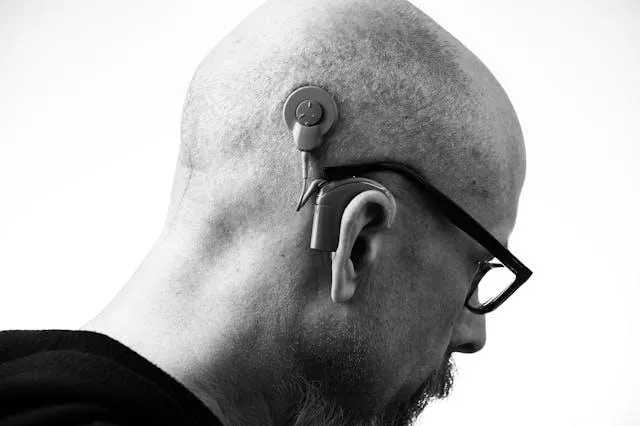
Another challenge when it comes to hearing aids is that many people initially resist the idea of wearing them because they are bulky, outdated and often perceived as only for older adults.
Image: Pexels/Brett Sayles
Today is World Hearing Day, and we are focusing on more than just sound. We are also paying attention to clarity, connection, and our brain health.
Hearing well shouldn’t feel like a marathon for your brain, and the reality is that it often does for millions of people without them even realising it.
Hearing isn’t just about turning up the volume; it’s about clarity and how effortlessly the brain processes sound.
When hearing changes occur, they often manifest as exhaustion, frustration or avoidance of social situations long before they are recognised as a physical issue.
In fact, an estimated 17% of teenagers and 19% of people in their 20s will already be experiencing signs of hearing loss, much of which can be attributed to prolonged exposure to loud sounds.
Rising noise exposure has put younger people at risk, too.
For a generation growing up with headphones and perpetual audio stimulation, the long-term consequences are sobering.
“Hearing loss often affects clarity first, not loudness,” Olivia Blackbeard, head of Spec-Savers audiology, told Independent Media Lifestyle.
“A person might hear that someone is speaking, but certain sounds blur or vanish entirely. The brain compensates by filling in gaps, predicting words and lip-reading all in real-time. That constant problem-solving is exhausting.”
Think of it this way: the brain becomes a tireless translator, working overtime to make sense of incomplete information. By the end of the day, this mental juggling act leaves people drained, even if they don’t realise the source of their fatigue.
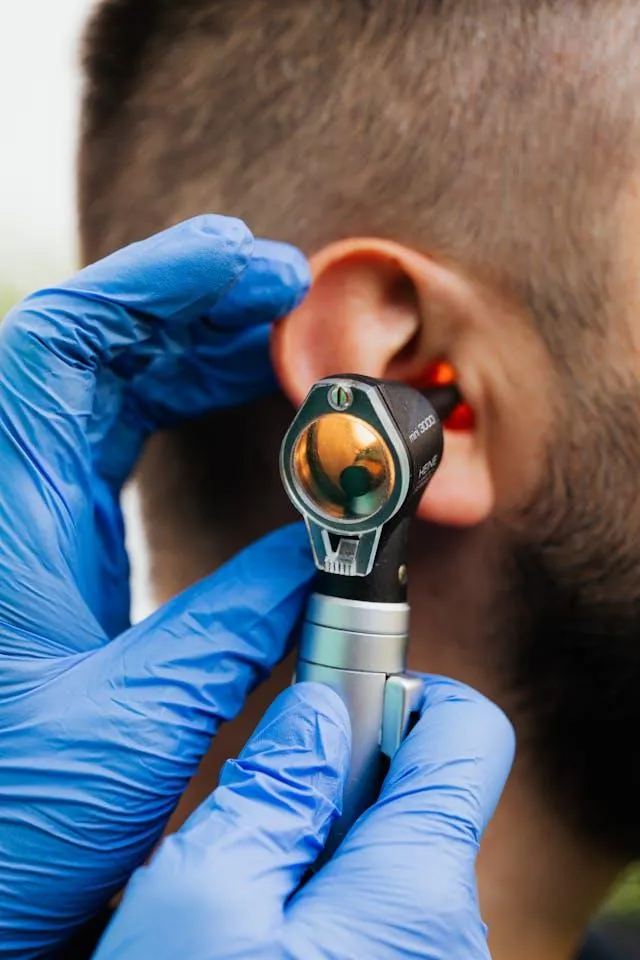
An annual hearing test is important because hearing changes are usually gradual.
Image: Pexels/Kaboompics
We all feel tired sometimes, but when exhaustion is tied to listening, it’s a red flag. Blackbeard warns that struggling to follow conversations, avoiding group discussions or feeling irritable after social events may indicate hearing-related mental overload.
“Listening should not feel like hard work,” she says. If everyday moments like meetings or family dinners leave you depleted, it’s time to investigate.
She notes that, as an audiologist, what she often observes is that many people initially resist the idea of hearing aids, believing that they are bulky, outdated and only for older adults.
Furthermore unlike eyesight or dental health, hearing loss often goes unnoticed because it’s gradual and painless.
“With our vision, we notice blur immediately. With teeth, pain forces action. But hearing loss creeps in slowly, and the brain adapts,” Blackbeard explains.
This delay in addressing hearing issues comes at a high cost:
By the time most people seek help, they’ve been compensating for years, unknowingly putting additional strain on their mental and emotional health.
The science is clear: untreated hearing loss has far-reaching effects beyond the ears. Research shows a strong link between hearing health, brain health and emotional well-being.
“When we struggle to hear, we often withdraw, and that withdrawal affects emotional well-being and brain resilience,” says Blackbeard.
Studies have linked untreated hearing loss to:
Hearing health, as it turns out, is brain health.
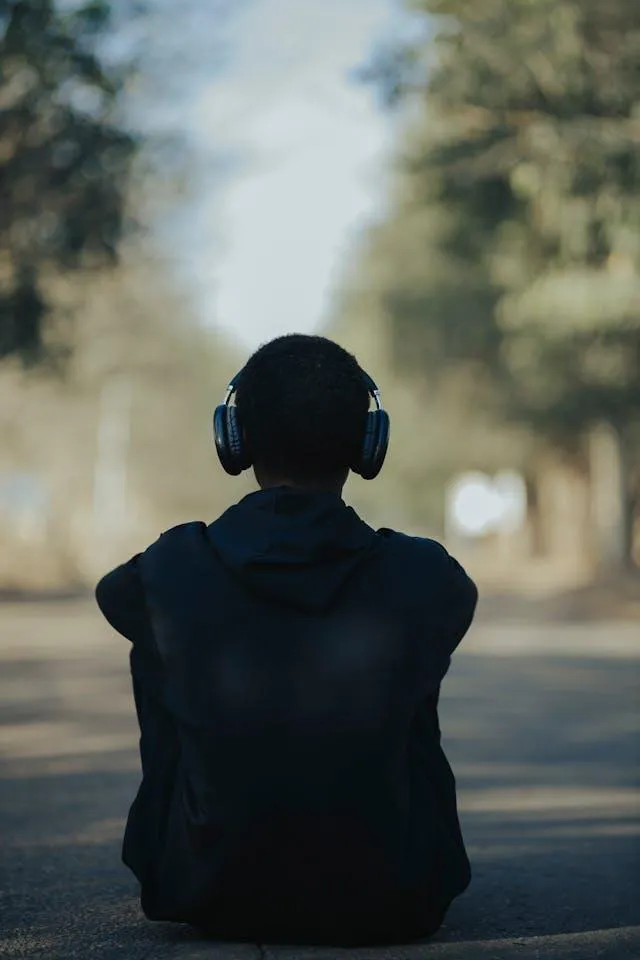
It is estimated 17% of teenagers and 19% of people in their 20s will already be experiencing signs of hearing loss, much of which can be attributed to prolonged exposure to loud sounds.
Image: Pexdels/Skylight Views
For a generation glued to headphones and bombarded with constant audio stimulation, protecting hearing might feel like a daunting task.
But Blackbeard offers simple, sustainable habits to reduce long-term risk:
Follow the 60/60 rule: Listen at 60% volume for no longer than 60 minutes at a time.
Hearing loss is often associated with ageing, but Blackbeard wants to change that mindset: “Hearing care isn’t about ageing; it’s about optimisation. We test cholesterol before a heart attack. We test eyesight before we can’t see. Hearing should be the same.”
Getting a hearing check is proactive, not reactive. It’s a sign of self-care and self-awareness, not weakness.
“The stigma is outdated. Science isn’t,” she adds.
To mark World Hearing Day, Spec-Savers Audiology is offering free hearing screenings during the first week of March. These include:
“You don’t have to wait for a crisis,” says Blackbeard. “Even if everything is normal, you now have a reference point for the future. And if something is detected early, intervention is simpler, and outcomes are better.”