
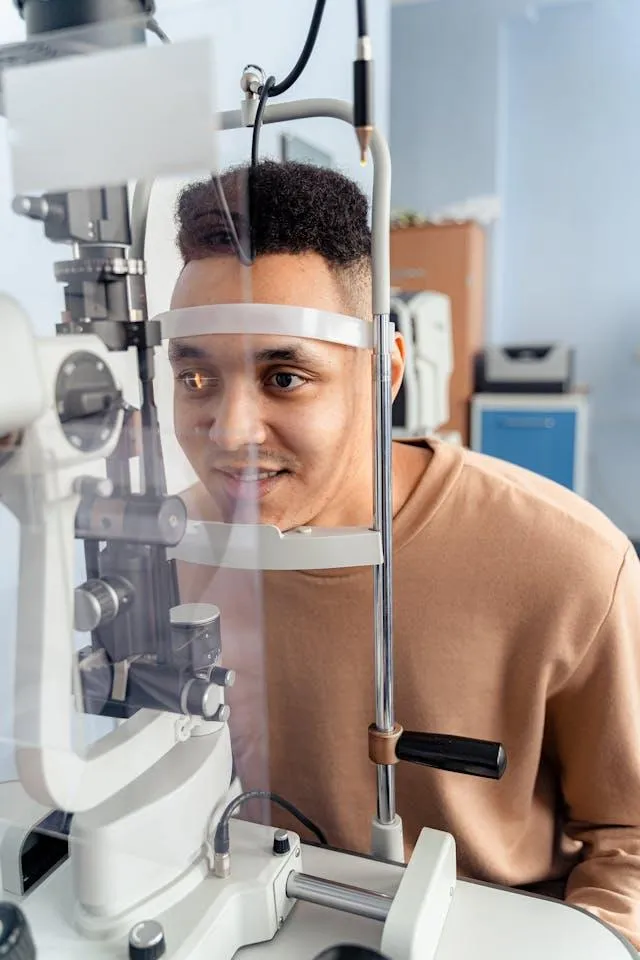
According to the South African Glaucoma Society, glaucoma is one of the leading causes of preventable blindness globally.
Image: Antoni Shkraba Studio/P
There’s a strange thing about eyesight: we rarely think about it until something begins to blur the edges of the world.
Yet doctors say one of the most devastating eye conditions today doesn’t begin with blurred vision at all. It begins quietly, almost invisibly.
Across South Africa and much of the world, glaucoma is emerging as a major public health concern, and health experts say the real story isn’t just about eyesight. It’s about independence, mental health and quality of life.
According to the South African Glaucoma Society, glaucoma is one of the leading causes of preventable blindness globally, yet most people living with it don’t know they have it.
In fact, studies suggest only one in twenty people with glaucoma is aware they have the condition, and nearly half will already have lost vision in one eye by the time they first see an ophthalmologist.
Glaucoma is often called the “silent thief of sight". And for many people, it steals slowly. When most of us think about eye disease, we imagine sudden darkness or blurred vision.
Glaucoma doesn’t behave that way.
Instead, it starts at the edges of vision, the quiet periphery of what we see. At first, it might feel like nothing. A missed step on a staircase. A car appears suddenly from the side. A difficulty navigating crowded spaces.
Dr Marissa Willemse, specialist ophthalmologist and president of the South African Glaucoma Society, says the condition quietly chips away at everyday life long before people realise what’s happening.
“Glaucoma is more than just a disease of the eyes,” Willemse explains.
“Vision loss from glaucoma often starts in the periphery, creating gaps in vision that go unnoticed until they interfere with everyday activities.”
Those small gaps matter more than people realise.
“Even early vision loss can impact simple routines like driving safely, reading, using digital devices, cooking, or navigating unfamiliar spaces. It can also take a toll on mental well-being, leading to anxiety, depression and social isolation.”
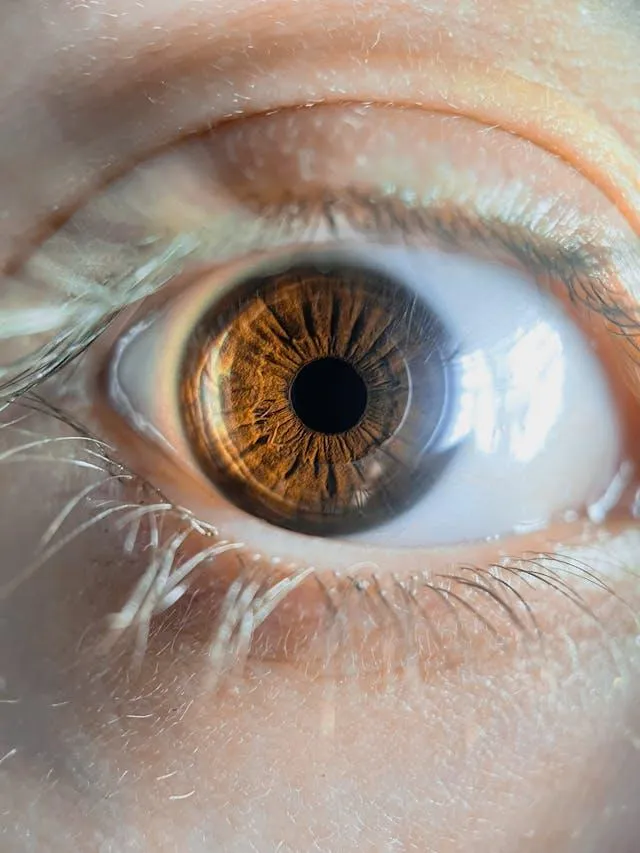
Vision loss has profound social, personal, and economic implications, leading to severe consequences
Image: Yaren Aysan/P
Vision loss changes more than what we see; it reshapes how we live.
When eyesight begins to narrow, everyday independence becomes fragile. Tasks once done without thinking suddenly require planning.
Driving at night feels uncertain. Busy streets feel overwhelming. Even reading a message on your phone becomes frustrating.
For many people living with glaucoma, these subtle changes ripple into bigger realities: job loss, reduced income and declining confidence.
“Vision loss has a devastating social, personal, and economic impact. It can lead to unemployment, loss of income, and a lowered standard of living.”
Which is why early detection is everything. While glaucoma can affect anyone, certain groups carry a higher risk. Research shows the condition is particularly prevalent in Africa.
In sub-Saharan Africa, an estimated 4.16% of people over the age of 40 are affected, with higher rates among African populations.
Doctors say risk factors include the following:
Yet even with these risk factors, many people experience no symptoms at all in the early stages.
That’s what makes glaucoma particularly dangerous.
At its core, glaucoma damages one of the most important parts of vision, the optic nerve, the pathway that carries visual information from the eye to the brain.
When pressure builds up inside the eye, it slowly injures this nerve. Over time, the damage leads to permanent vision loss that cannot be reversed.
Left untreated, the disease can progress to complete blindness. The challenge, experts say, is that the damage often occurs long before noticeable symptoms appear.
As glaucoma progresses, certain symptoms may appear.
These can include:
In rare emergencies, nausea and severe eye pain are linked to acute glaucoma. But by the time these symptoms appear, vision damage may already be significant.
This is why routine eye screenings matter more than people realise. The small test that can protect your sight
Glaucoma screening is surprisingly simple.
A comprehensive eye exam usually includes tests that measure eye pressure, examine the optic nerve, and assess peripheral vision.
Doctors recommend:
These tests, including tonometry and visual field exams, can detect early changes before vision loss occurs.
And when caught early, glaucoma can be managed with medication, laser therapy, or surgery.