
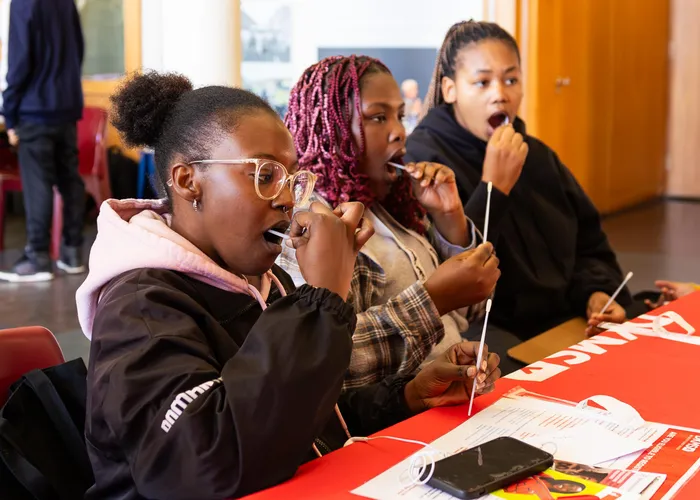
Research demonstrates that patients are more likely to find matches within similar ethnic groups, underscoring the urgent need for a diverse pool of potential donors.
Image: Supplied
There’s a quiet shift happening in hospital corridors across South Africa, one that feels heavier than it should.
More young people are being diagnosed with serious, sometimes terminal illnesses in the very years meant for building careers, finishing school, and planning futures. And among those diagnoses is a rare but devastating condition known as aplastic anaemia, a disorder that doesn’t just affect blood; it interrupts entire lives.
Right now, two young South Africans, Kaitlin, 25, and Lihle, 18, are living proof of that reality. Both are fighting for survival, waiting for something many of us take for granted: a stranger willing to register as a stem cell donor.
According to DKMS Africa, a stem cell transplant offers roughly 80% of patients a real chance at recovery, yet nearly 70% of patients will not find a matching donor within their own family. For most, survival depends on someone they’ve never met.
“AA strikes hardest between 15 and 25, the years nobody expects to spend fighting for their life," explains Palesa Mokomele. We want South Africans to understand that registering as a stem cell donor is a simple act that could give someone like Kaitlin or Lihle their life back.”
Aplastic anaemia happens when the bone marrow, the body’s blood factory, stops producing enough blood cells. Without enough red cells, patients feel extreme fatigue. Without white cells, infections become life-threatening. Without platelets, even minor cuts can lead to uncontrolled bleeding.
According to global medical guidance from the World Health Organization, untreated severe aplastic anaemia can quickly become life-threatening without medical intervention such as blood transfusions or stem cell transplantation.
It’s rare but not rare enough to ignore.
And what makes it especially cruel is how easily early symptoms are dismissed.
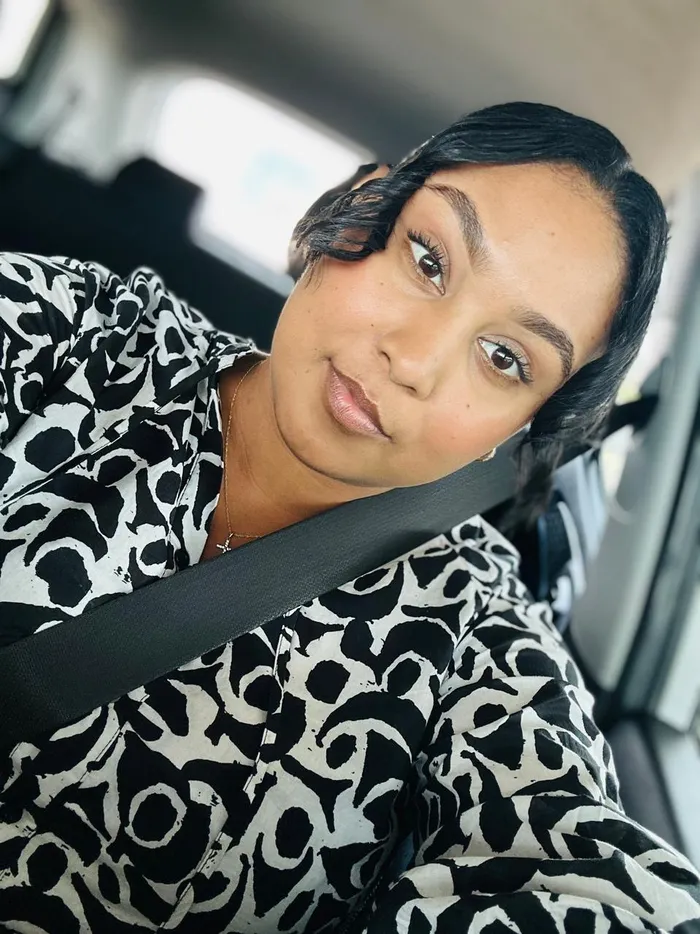
For years, Kaitlin from KZN was trapped in a cycle of misdiagnosis. Enduring crushing fatigue and prolonged bleeding
Image: Supplied
In the world of aplastic anaemia, three essential components govern the patient's wellness:
For years, Kaitlin from KwaZulu-Natal kept searching for answers. She experienced prolonged bleeding and crushing fatigue, symptoms repeatedly misdiagnosed as gynaecological issues.
Hospital visits became routine. Answers never came. It wasn’t until August 2025, when her bleeding became uncontrollable despite treatment, that she was referred to a specialist. A bone marrow biopsy finally revealed the truth: aplastic anaemia.
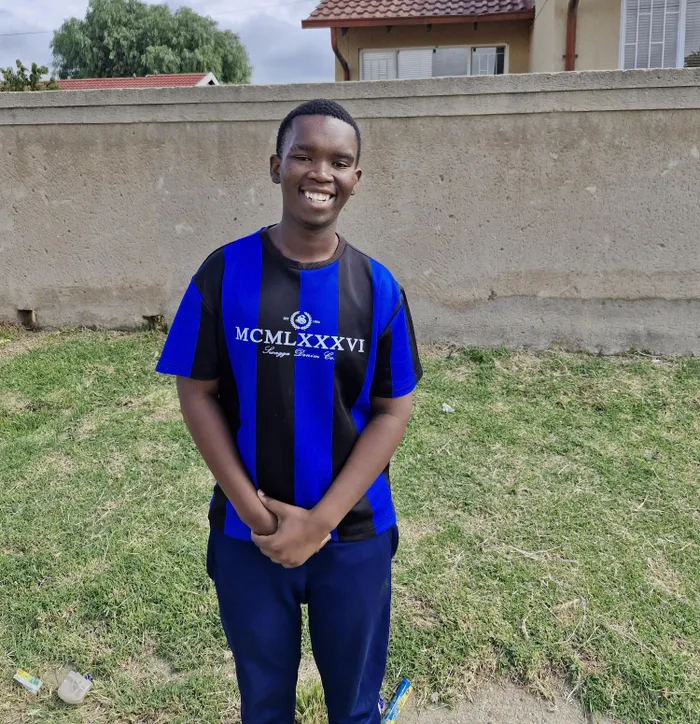
At just 14, Lihle’s life changed forever. What started as "just a nosebleed" quickly spiralled into a medical crisis that no teenager should have to face.
Image: Supplied
Before her diagnosis, she worked full-time and lived independently. Today, life looks very different.
She depends on weekly blood transfusions just to survive. Work is no longer possible. Basic daily tasks feel overwhelming.
Yet her hope hasn’t disappeared.
Lihle’s life changed at just 14 years old.
It began with nosebleeds, small at first, then frighteningly severe. One night in November 2021, the bleeding became uncontrollable. He lost consciousness.
After two months in hospital, doctors confirmed the diagnosis: Severe Aplastic Anaemia (SAA).
That same year, his father passed away.
Now the eldest of four siblings, Lihle carries more than his illness; he carries expectation. Responsibility. Hope.
Stem cells are "master cells". They have the incredible ability to transform into any type of blood cell the body needs. One of the hardest truths about stem cell transplants is this: matching donors depends heavily on genetic background.
For patients from black, coloured and Indian/ Asian communities, finding matches is significantly harder because donor registries still lack racial and genetic diversity.
Many people don’t realise that registering as a stem cell donor is simple, free, and takes minutes. If you are between 17 and 55 years old and in good health, you can register through DKMS Africa. The process typically involves a cheek swab, no surgery, and no hospital stay.
You can register today at https://www.dkms-africa.org/save-lives