
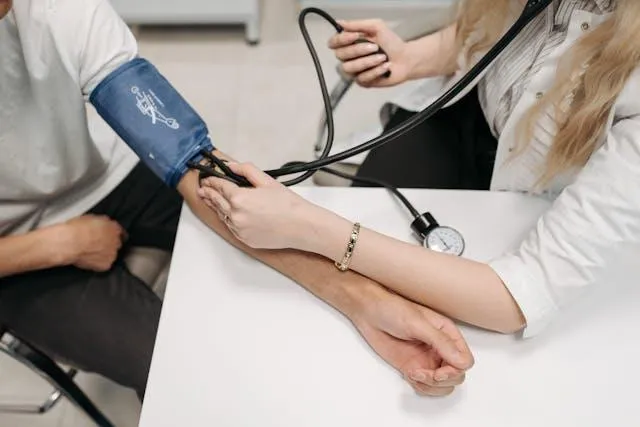
Get a screening at a local clinic, pharmacy, or GP. Healthy blood pressure is generally around 120/80 mm Hg.
Image: Pavel Danilyuk /Pexels
For years, high blood pressure was treated like an “older person’s problem". We linked it to retirement age, chronic illness, or decades of unhealthy living.
But new South African medical research paints a far more unsettling picture: young women in their 20s and 30s are fast becoming the face of the hypertension crisis.
According to recent local findings, around 27.5% of young South African women between 24 and 40 live with hypertension, compared to 20.4% of men in the same age group. Read that again. More than one in four young women.
As we mark World Hypertension Day on May 17, health professionals are cautioning that this is far more than a solitary health concern. South Africans are living through a lifestyle crisis fuelled by chronic stress, hidden salt, burnout and the sheer financial pressure of trying to survive modern life.
The scary part? High blood pressure often feels exactly like "normal life".
That constant afternoon fatigue? The throbbing headaches? Feeling swollen, anxious or permanently drained? Most of us brush those symptoms off as the mental load of adulthood.
However, medical professionals call hypertension a "silent killer" for a reason: it rarely shows obvious, aggressive symptoms early on. Instead, it quietly damages your blood vessels, kidneys, heart and brain in the background while you push through your daily to-do list.
According to registered dietician Danielle Oldfield-Venter, many South Africans underestimate how deeply daily habits affect the body.
"The majority of people believe that hidden salt is a risk for the distant future, but it's actually a daily one," Oldfield-Venter explains. "The fastest nutrition benefits are usually the quietest ones, like cutting hidden salt."
The danger is not just the salt shaker sitting on your dinner table. It is packed into a day with South African staples:
The World Health Organization (WHO) recommends less than 5 grams of salt per day (about one teaspoon). Yet, the average South African consumes double that amount.
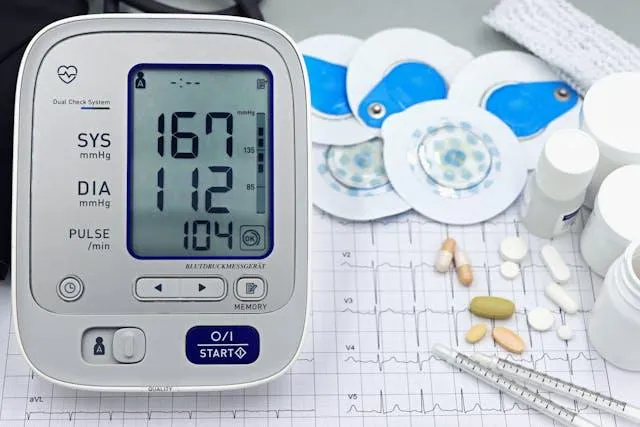
Alarming new research reveals young South African women are facing an unprecedented hypertension crisis.
Image: Marta Branco /Pexels
Over time, a high-salt diet forces your body to hold onto extra water. This fluid retention raises your blood pressure and increases your long-term risk for:
The dramatic rise in hypertension among young women reflects both biological realities and intense societal pressure.
Young women are increasingly balancing careers, child-rearing, caregiving for older relatives, financial stress, and intense emotional labour.
This chronic survival mode spikes cortisol and adrenaline, hormones that constrict blood vessels and drive up blood pressure.
Many young women do not know that the birth control pill can cause a distinct rise in blood pressure for some individuals.
Furthermore, modern health screenings show a massive rise in gestational hypertension (high blood pressure during pregnancy) and pre-eclampsia, which significantly elevates a woman's cardiovascular risk later in life.
Our environments dictate our health. Fast-paced urban life makes cheap, ultra-processed convenience foods far more accessible and affordable than fresh, whole foods. Combined with long commutes and sedentary desk jobs, physical activity quickly falls away.
Managing your risk does not require a flawless lifestyle overnight. Small, deliberate shifts make a massive difference.
1. Know your numbers: Do not wait for your body to force the conversation. Get a screening at a local clinic, pharmacy, or GP. Healthy blood pressure is generally around 120/80 mm Hg. If your reading is consistently 140/90 mmHg or higher, it is time to consult a doctor.
2. Decode food labels: Flip the package over and look at the nutritional table. Aim for foods with less than 120mg of sodium per 100 g. If a product has more than 600mg of sodium per 100g, leave it on the shelf.
3. Move your body: You do not need an expensive gym contract. Walking, dancing, gardening, or doing household chores for 30 minutes a day keeps your blood vessels flexible and reduces arterial pressure.
4. Eat more potassium-rich whole foods: Potassium acts as a natural offset to sodium, helping your kidneys flush out excess salt. Fill your plate with affordable local staples like bananas, sweet potatoes, spinach, and beans, while cutting back on ultra-processed meals.
5. Moderate alcohol and smoking: Social drinking culture and smoking are major drivers of early hypertension. Nicotine immediately narrows your blood vessels, while heavy drinking disrupts the central nervous system's control of blood pressure.