

In recent years, more adults in their 30s, 40s and 50s are coming out, sharing truths about their sexuality that they may have carried quietly for decades.
Image: Pexels.
It is never too late to become yourself.
In recent years, more adults in their 30s, 40s and 50s are coming out, sharing truths about their sexuality that they may have carried quietly for decades.
Therapists emphasise that this isn’t a sudden trend, but rather a quiet wave that has been building for years.
As social norms shift and conversations about sexuality become more open and compassionate, many people finally feel safe enough to explore parts of themselves they felt forced to push aside when they were younger.
For many, this journey begins after years spent in heterosexual relationships, following the traditional path before realising there was something deeper waiting to be acknowledged.
Many of these adults grew up in environments where being LGBTQ+ was discouraged, dismissed or hidden entirely.
To survive, they followed the expectations of their communities, dating the opposite sex, marrying young or pushing down their confusion.
But as Dr Michael Salas, founder of Vantage Point Counseling, explains, this later-in-life realisation is rarely about dishonesty.
Salas, who specialises in helping clients navigate identity confusion and major relationship changes, offers a compassionate perspective: "Many people assume that if someone comes out later in life, it means they were hiding something on purpose. What I see in therapy is the opposite."
Salas adds, "Most were never given a safe place to explore who they really are. It is not deception. It is self-discovery that finally becomes possible."

In recent years, more adults in their 30s, 40s, and 50s are coming out, sharing truths about their sexuality that they may have carried quietly for decades.
Image: Pexels.
Why now? Understanding the timing
If you or someone you love is navigating this, it is helpful to understand why this realisation often happens later in life.
"It is rarely a sudden change, but rather a response to years of complex factors," Salas shares.
5 gentle steps for navigating identity
If you are questioning your identity, know that there is no "right" way to do this. Salas recommends these simple, compassionate steps to guide you:
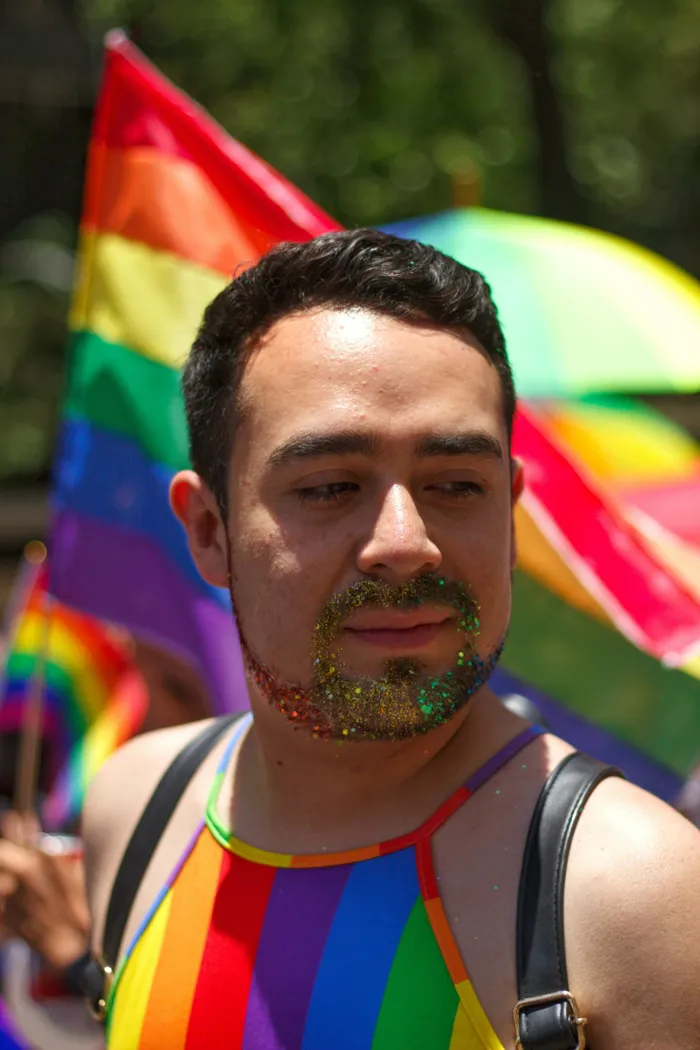
If you are questioning your identity, know that there is no "right" way to do this.
Image: Pexels.
The power of support
Ultimately, the most important factor in this journey is connection. As Salas notes, support is one of the biggest healing factors.
"When people feel supported, they are more confident in expressing their identity without shame. When they feel alone, they often shut down or hide parts of themselves for years. That is why open conversations matter.
"They give people the chance to understand themselves with compassion instead of fear."