
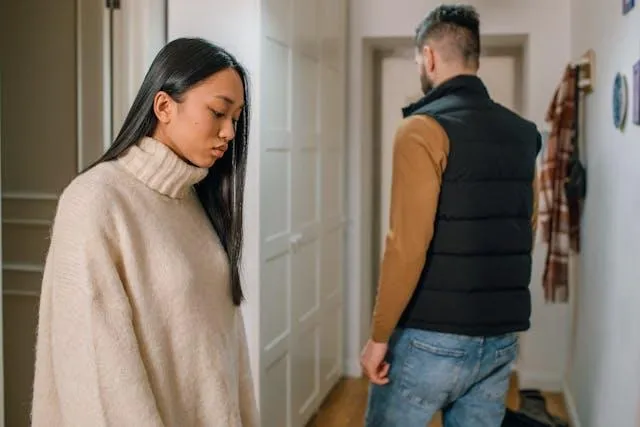
Why does the cycle of abuse keep repeating in our society?
Image: Alena Darmel /Pexels
Instead of asking, "Why doesn't she just leave?" we must confront the real issue - one that many South Africans are finally willing to voice: Why does the pattern of abuse persist, repeating across relationships, within families, and from one generation to the next?
In a country where gender-based violence (GBV) remains one of the most urgent social crises, the conversation has shifted from shock to survival.
And for many survivors, abuse isn’t just a single chapter; it’s a pattern. Psychologists call this the cycle of abuse, and understanding it might be one of the most powerful tools we have to break it.
One of the most confronting realities about abuse is that people who were hurt in childhood are statistically at higher risk of experiencing abusive relationships later in life or, in some cases, becoming abusive themselves.
Research in trauma psychology shows that early exposure to sexual or physical abuse can blur the emotional lines between love, fear, shame, and attachment. Over time, those mixed signals can shape how people understand relationships.
One of the hardest truths about abusive relationships is this: familiarity can feel like love.
When abuse happens early in life, the body and mind can link fear, shame, and anger with intimacy. Those feelings become imprinted, not consciously chosen. Later in life, similar emotional patterns can feel strangely comforting, even when they’re harmful.
This confusion doesn’t mean someone wants to abuse. It means their nervous system learned the wrong emotional language.
Another reason cycles repeat is deeply psychological: people sometimes unconsciously return to similar relationships to try to “fix” what once broke them.
Some survivors may even shift roles, becoming controlling or aggressive in relationships as a way to reclaim power they once lost. But trauma doesn’t heal through repetition. It heals through awareness.
And until that awareness happens, the pattern continues.
Childhood abuse often plants a dangerous belief: “I am not worthy of real love.” That belief doesn’t always sound loud. Sometimes it whispers in self-doubt, in people-pleasing, in tolerating behaviour that should never be tolerated.
Many survivors were told, directly or indirectly, that they deserved the abuse. They didn’t. No one does.
But those internalised beliefs can make genuine care feel unfamiliar, even uncomfortable.
Because abuse is so painful, people who have been abused may cope by retreating into a fantasy world.
This may include idealising others to the point where abusive partners are seen as wonderful, or others are abused as a result of the overwhelming disappointment felt when they cannot live up to the fantasy.
Abuse leaves residue, often in the form of anger that hasn’t found safe expression. That anger may show up in parenting, romantic relationships, or internal self-criticism.
Some individuals experience profound insecurity, anticipating harm or betrayal even within secure relationships. Simultaneously, others actively distance themselves to prevent further pain.
Alternatively, some endure abuse because it seems unavoidable. These reactions are not conscious choices; rather, they are both forms of self-protection.
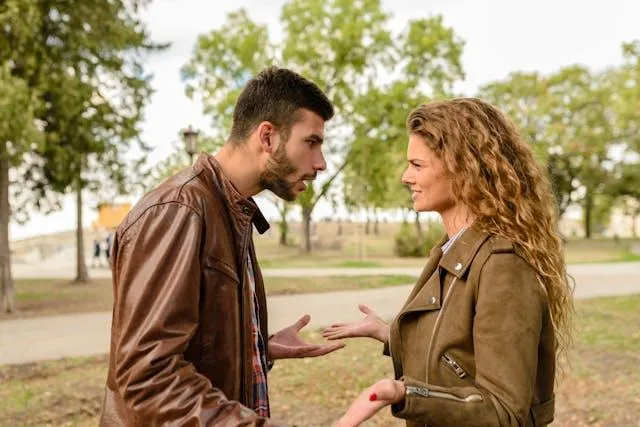
Survivors of childhood abuse frequently grapple with a tumultuous blend of love, fear, shame, and attachment.
Image: Pexels
Here are evidence-based ways survivors can begin breaking the cycle of abuse:
Name the pattern: Recognising abuse, emotional, physical, or sexual, is the first step toward stopping it.
Silence keeps cycles alive. Awareness weakens them.
Seek professional support: Trauma-informed therapy helps survivors understand emotional triggers and attachment patterns.
Research consistently shows therapy improves emotional regulation and relationship outcomes for trauma survivors. Healing isn’t about forgetting; it’s about understanding.
Rebuild self-worth slowly: Self-worth doesn’t return overnight. It grows through small actions, setting boundaries, choosing safety, and learning to trust again. Sometimes, the bravest thing you can do is believe you deserve better.
Create safe support systems: Community matters. Friends, family, support groups, and advocacy organisations provide emotional grounding, especially when leaving feels overwhelming. No one heals alone.
Learn what healthy love looks like: Healthy relationships feel steady, not chaotic. They feel safe, not confused. They create space for growth, not fear. For many survivors, learning what love should feel like is the most radical act of healing.
The cycle of abuse isn’t destiny. It’s a pattern, and patterns can be broken. Healing is messy. Leaving is complicated. Staying safe is a daily decision.