
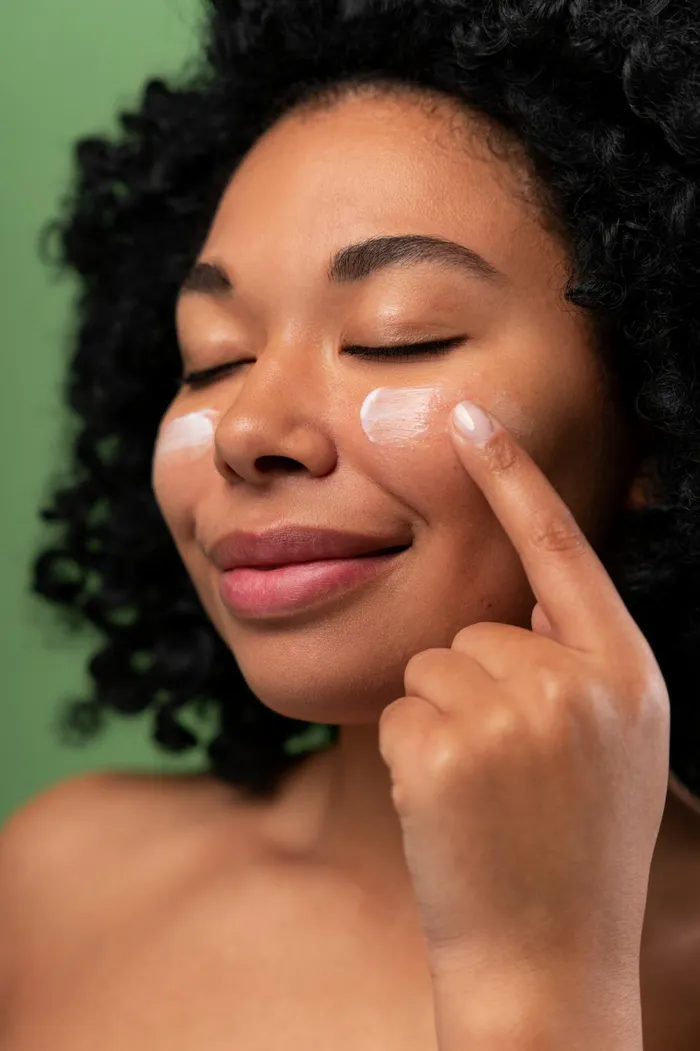
No matter your skin type, sunscreen is an essential skincare product, Image: FreePik
Image: FreePik
For the longest time, I dreaded the idea of growing old. Maybe it was because my circle of friends always seemed younger, or perhaps it was the constant bombardment of “age gracefully” advice plastered all over social media, thinly veiled advertisements for injectables, surgeries, or products promising eternal youth.
But as someone who grew up navigating the loss of older siblings, I’ve come to see ageing differently.
Surviving, thriving, and reaching those golden years isn’t just a biological process; it’s a privilege.
Let’s face it: our desperation to stay youthful has opened the door to fear-mongering and manipulation. But here’s the thing, ageing doesn’t have to be scary. It’s not a curse or a trend to resist. It’s a natural, beautiful part of life. And the sooner we embrace it, the better.
We forget that reaching our golden years once belonged to royalty, not everyday people. Today, 79% of women and 70% of men worldwide can expect to live past the age of 65, according to the World Population Prospects (UN, 2022).
We’re not just living longer; science shows we age in stages, not in one long decline. A study published in Nature Medicine found three biological ageing milestones at around 34, 60 and 78, meaning we don’t get “old all at once”; we evolve.
And that evolution shows up first in our faces.
Beverly Hills dermatologist Dr Ava Shamban, in a "MindBodyGreen" podcast, describes three ageing styles that most of us fall into: the wrinkler, the sinker and the sagger. Knowing which one you are helps you care for your skin without panic or false promises.
Here’s what they mean for real life:
The wrinkler
When you think of ageing, wrinkles are probably the first thing that comes to mind and for a good reason. Wrinkles are like the roadmaps of our lives, etched into our skin by time. These lines may start small, often appearing around the eyes and mouth first, where the skin is thinnest and most delicate.

Over time, factors like sun damage, smoking, and the natural breakdown of collagen and elastin cause them to deepen.
Image: Freepik
These lines aren’t just about movement. Over time, factors like sun damage, smoking, and the natural breakdown of collagen and elastin cause them to deepen.
If you’re a wrinkler, try:
Wrinkles may seem like the most obvious sign of ageing, but they’re also the most celebrated. They tell your story one laugh, one furrowed brow, one moment at a time.
The sinker
Unlike wrinkles, which are about surface changes, “sinking” is about the deeper layers of the face. As we age, the fat pads that keep our faces looking youthful and plump shrink and shift downward. Simultaneously, bone mass declines, leaving the face looking hollow or “deflated.”
“A sinker typically develops a flattened midface, with volume loss under the eyes and cheeks, and a softened lower face with more prominent jowls.”
This process isn’t immediately apparent. You might notice subtle changes, like hollowness under your eyes or a less-defined cheekbone. But over time, this volume loss becomes more pronounced.
If you’re a sinker, remember:
Skincare won’t replace bone or fat.
Instead, support your health, and your face will follow.
Focus on:
The sagger, gravity always wins
Sagging skin is perhaps the most challenging aspect of ageing to address. Over time, our bodies produce less collagen and elastin, two key proteins that keep skin firm and structured. Add to that the cumulative effects of UV exposure, stress, and diet, and you have a recipe for looser, drooping skin.
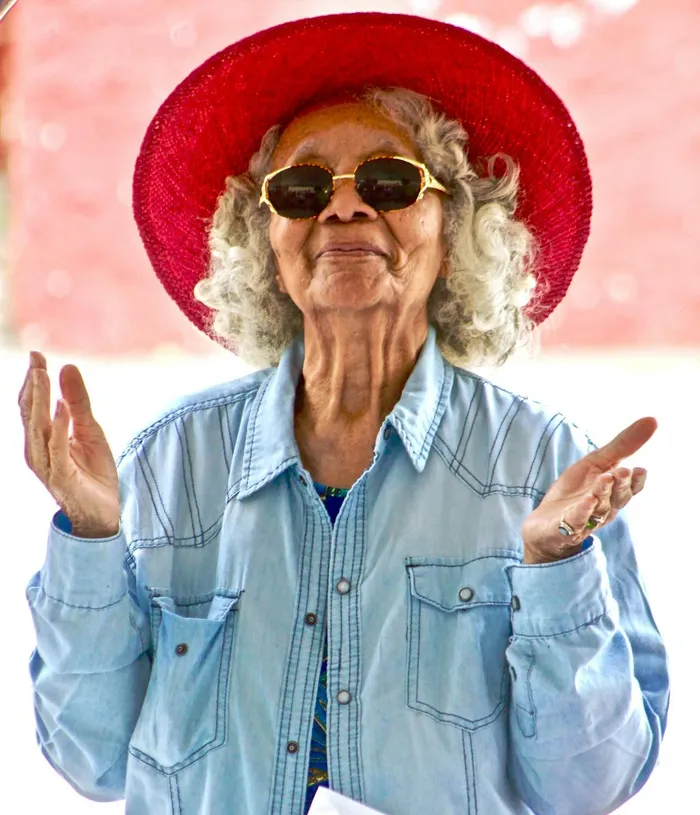
As our bodies produce less collagen and elastin the crucial proteins responsible for maintaining skin firmness gravity takes over
Image: Nashua Volquez-Young/pexels
“The sagger is someone whose skin exhibits the most structural loss and laxity, leading to pronounced sagging,” says Shamban. This often manifests as jowls, marionette lines and a jawline that seems to lose its definition.
What you can do:
Preventative care: Retinol and vitamin C serums are the ultimate anti-sagging duo. Retinol stimulates collagen production, while vitamin C supports its synthesis.
Nutrition first: Eat foods high in vitamin C, amino acids, and antioxidants. Think berries, citrus fruits, and leafy greens.
Professional treatment: For more pronounced sagging, treatments like ultrasound therapy or radiofrequency can help tighten skin.
Our obsession with youth can make us forget how fortunate we are to age at all. Ageing isn’t a loss of beauty, it's a shift in beauty. Instead of trying to erase time, maybe we can learn to recognise and care for the signs it writes on us.
As someone who once feared growing older, I now see it differently. Every day that I wake up alive and healthy is a gift.
Ageing isn’t the enemy; it’s the evidence of a life well-lived. And while we can still experiment with serums, lasers or lifestyle changes if we choose. But let’s do it as a celebration, not a fight.