
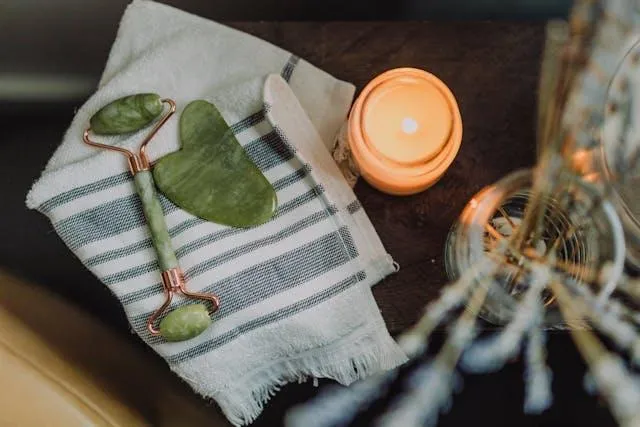
Before booking that next appointment for a lymphatic drainage massage, learn about the potential risks and complications that could affect your health.
Image: RDNE Stock project /Pexels
Skincare trends may come and go, but some stick around because they deliver results, and none is making waves quite like lymphatic drainage.
From TikTok tutorials to celebrity-approved beauty routines, this ancient practice is having a major cultural moment, promising to de-puff, sculpt and detox.
Let’s dive deep into the trend that’s taking over the beauty space and your social feed.
What is lymphatic drainage?
Think of your lymphatic system as your body’s ultimate cleanup crew. It’s a network of vessels and nodes that move lymph, a clear fluid rich in immune-boosting white blood cells, through your body to flush out toxins, waste, and excess fluid.
But unlike your circulatory system, which has your heart to keep things moving, the lymphatic system relies on movement, breathing, and external stimulation to function properly.
Lymphatic drainage massage involves gently manipulating specific areas of your body to move excess fluid toward working lymph vessels and nodes so it can be filtered and eliminated. By creating a slight pressure gradient, these techniques help reduce swelling, enhance detoxification, and promote a healthy immune system.
Why is it so popular?
Blame it on our obsession with instant gratification. Lymphatic drainage promises quick results: a de-puffed face, sculpted jawline, and even-toned abs.
Social media users swear by tools like gua sha stones, dry brushes, and microcurrent devices to mimic the effects of professional treatments at home.
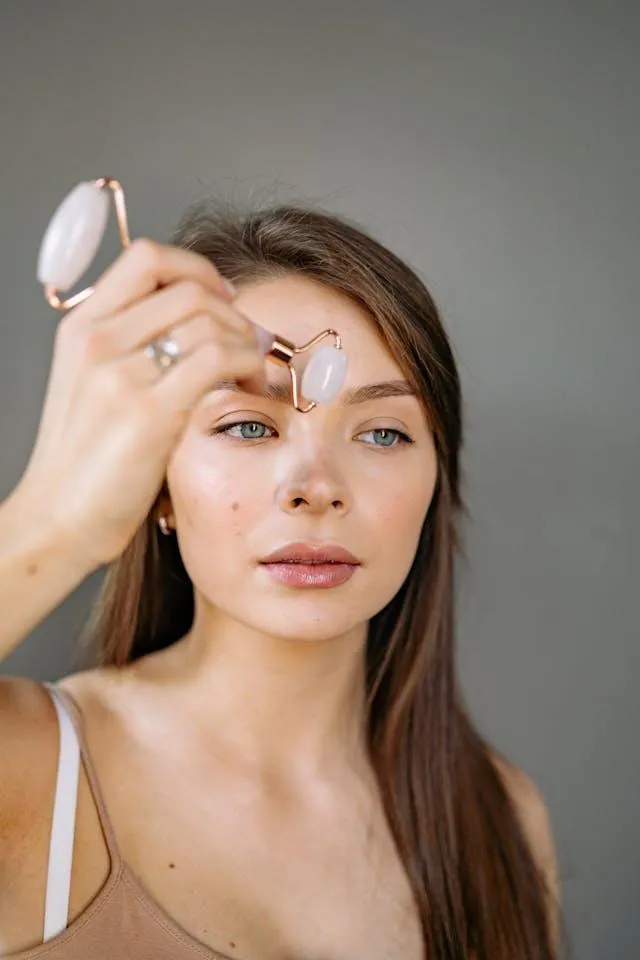
Lymphatic drainage massage operates on the premise of stimulating the lymphatic system, promoting fluid movement, and aiding in the elimination of toxins.
Image: Yan Krukau /pexels
While lymphatic drainage can’t dissolve fat or cellulite, it does temporarily reduce fluid retention, making you feel lighter and look more sculpted.
Lymph is different from fat or cellulite, which shapes the appearance of the skin. What lymphatic drainage does is help move fluid that can build up in tissues, giving a more toned and contoured appearance.
But this isn’t just a vanity trend. The practice has roots in clinical medicine, dating back to the 1930s. Originally developed to treat lymphedema, a condition where lymph fluid builds up, causing swelling, it’s now embraced by wellness enthusiasts for its detoxifying and immune-boosting benefits.
What are the potential benefits of lymphatic drainage massage?
According to Vivari Spa, lymphatic massage may reduce swelling in your body and make it easier for your lymph nodes to get rid of toxins. Lymphatic drainage massage benefits may include approximately 30% reduction in limb volume, as reported in a 2015 study by the National Cancer Institute.
Below is a clear, practical, step-by-step guide for a gentle manual lymphatic drainage (MLD)–style routine you can do at home. It’s written for a non-clinical, self-care context (very light pressure, slow rhythm).
1. Gua Sha: This traditional Chinese tool is a favourite for facial sculpting. Use gentle, upward strokes along your jawline, cheekbones, and neck to encourage lymph flow.
2. Dry brushing: Before showering, use a natural-bristle brush to make long, sweeping motions toward your heart. This stimulates circulation and exfoliates your skin.
3. Microcurrent devices: If you are using high-tech gadgets, use low-level electrical currents to tone and lift the skin while promoting lymphatic drainage.
4. Self-massage: Use light, rhythmic pressure to target areas like your face, arms, or legs. Remember, this isn’t about digging deep lymphatic drainage; it is all about surface-level stimulation.
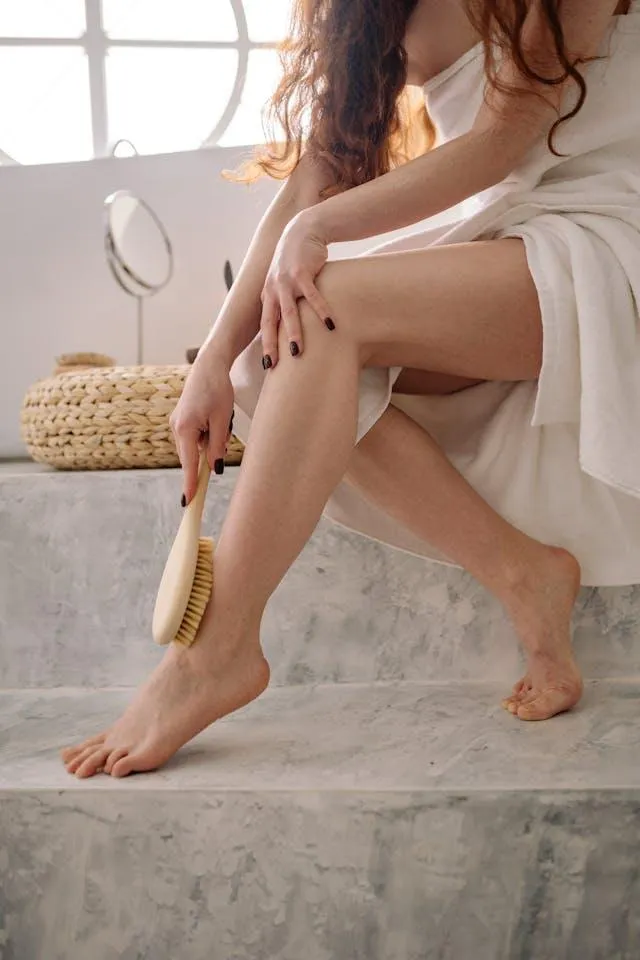
In recent years, lymphatic drainage massage has gained popularity as an effective method for alleviating lymphedema
Image: Yan Krukau /Pexels
Always work in the direction of your lymph nodes (typically located in your neck, underarms, and groin) to help the fluid drain effectively.
Lymphatic drainage massage operates on the premise of stimulating the lymphatic system, promoting fluid movement, and aiding in the elimination of toxins. However, it is not suitable for everyone.
According to health experts, individuals with specific health conditions should steer clear of this form of massage. The following medical conditions pose significant risks:
Blood clots: Patients with a history of thromboembolic events should avoid lymphatic massage as it could dislodge clots, leading to severe complications.
Cellulitis: Inflammation of the skin and underlying tissue can worsen if massage is applied, potentially exacerbating the infection.
Deep Vein Thrombosis (DVT): Similar to blood clots, manipulations in areas affected by DVT can be dangerous.
Fever: Active infections indicated by fever signify that the body is already under stress, and additional manipulation may exacerbate this.
Heart disease: Those with cardiovascular issues may experience complications as lymphatic massage can affect blood flow and circulation.
Infection: Any systemic or localised infection provides a contraindication for lymphatic drainage, risking the spread of pathogens.
Kidney failure: Patients with compromised kidney function should avoid such treatments, as additional fluid shifts could burden renal capabilities.
Stroke: Individuals with a history of stroke need to exercise caution, as the therapy could trigger unwanted circulatory effects.
While the buzz is real, it’s important to separate fact from fiction. Lymphatic drainage isn’t a magic fix for weight loss or cellulite. Instead, it’s a wellness practice that supports your body’s natural processes.
Studies also back the benefits of lymphatic drainage. According to the National Cancer Institute, it’s clinically proven to reduce swelling and improve circulation in those with medical conditions like lymphedema.
And while its beauty benefits haven’t been as rigorously studied, anecdotal evidence and centuries of traditional use speak volumes.