
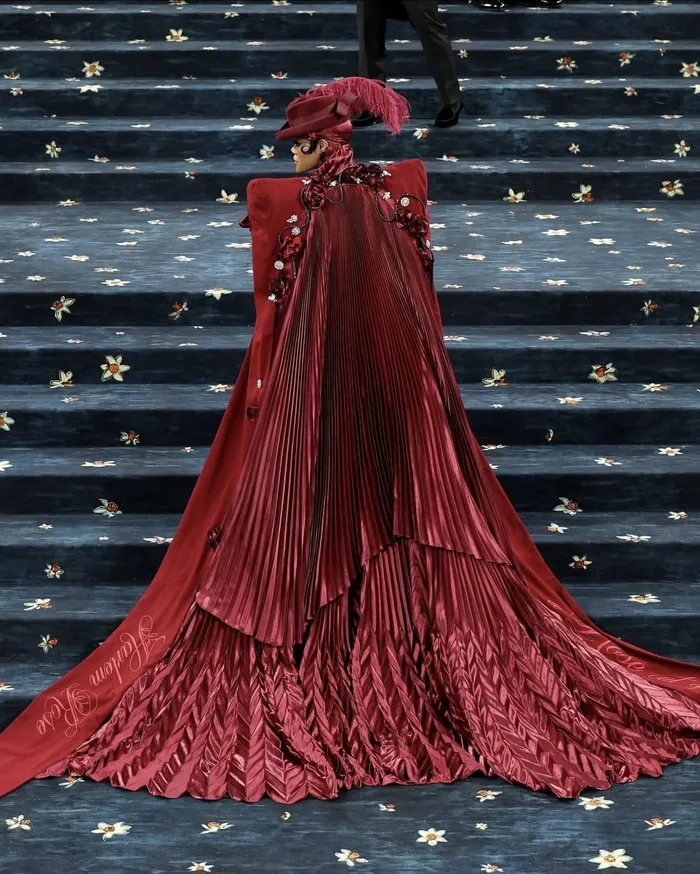
The "First Monday in May" is a cultural phenomenon, a moment where fashion converges with artistry, and a powerful chapter where new legends emerge on the well-trodden steps of the Met.
Image: Instagram
Before we decide who nailed this year’s theme, let’s take a closer look at this iconic global fashion event.
It’s a showcase of both new and established designers for the fashion elite, and for many, the New Year really starts on the first Monday in May.
The red carpet isn’t out yet, but Manhattan already feels electric.
As we count down to the 2026 Met Gala on May 4, people are searching for more than just dresses. They want history.
From the return of a famous "Texas Hold 'Em" star to the hidden tragedy that changed the fashion calendar, the First Monday in May has become a global fashion phenomenon.
Discover how the event evolved from a winter soiree to a springtime spectacle that not only highlights opulence but serves a greater purpose in preserving culture and artistry.
Image: Instagram
It’s the Super Bowl of style, a glittering collision of old-world opulence and avant-garde rebellion that turns the steps of the Metropolitan Museum of Art into the most-watched runway on the planet.
But as we gear up for the 2026 Met Gala, where co-chairs like Beyoncé, Nicole Kidman and Venus Williams are set to descend upon Manhattan, a burning question remains for the uninitiated: Why this specific Monday?
Believe it or not, the first Monday in May wasn’t always the plan.
Before the turn of the century, this star-studded display of opulence was actually a winter affair. Founded in 1948 by visionary fashion publicist Eleanor Lambert, it initially took place in winter, tickets were once priced at a modest $50.
If you're lucky enough to score an invite to fashion's biggest event of the year, a solo ticket costs $30,000, while a table is yours for $275,000.
Fortunately, not everyone has to pay to attend, as Anna Wintour is known to invite up-and-coming designers to the gala. And, usually, the celebrities invited specifically to model a designer's work on the carpet don't have to pony up either. And the steep price tag isn't enough to deter the rest of the stylish set: There is actually a waiting list.
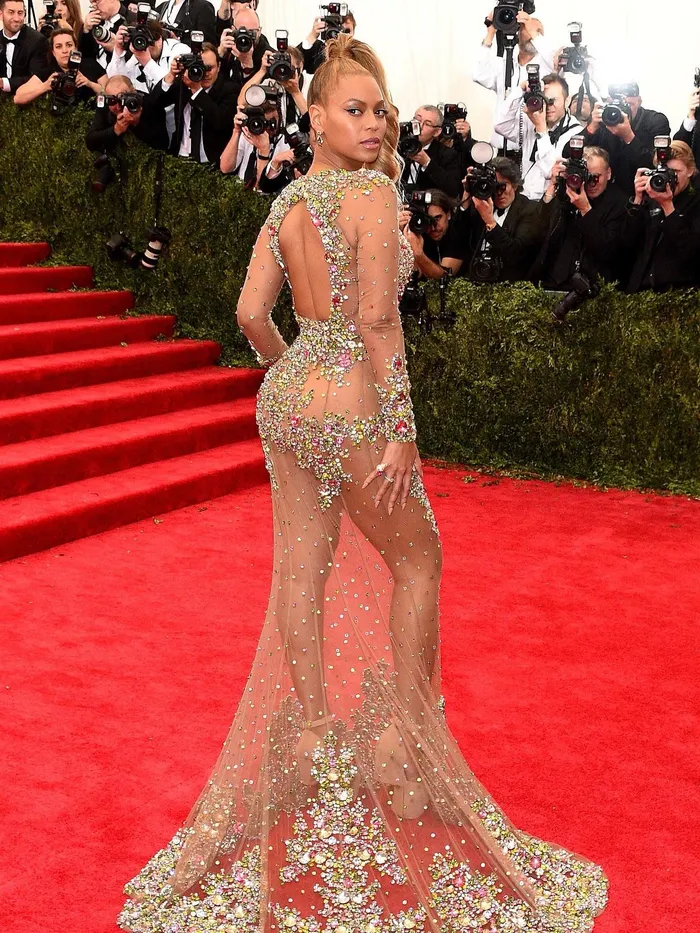
Beyonce at Met Gala 10 years ago. Image: Instagram/@metgalaofficial.
Image: Image: Instagram/@metgalaofficial.
Things shifted at the start of the 2000s. Moving the gala to May happened because of a mix of bad luck and necessity.
In 1999, the Met's head curator, Richard Martin, suddenly passed away, which meant the museum had to cancel a big Coco Chanel exhibit. They told "The New York Times" that it was just impossible to pull together a new show in time for their normal winter date.
By 2001, the museum switched to a spring opening for the Jacqueline Kennedy exhibit. The first Monday in May date finally became a permanent fixture in 2005 with the famous Celebrating Chanel theme. That change in timing is what turned a local party into a massive global event.
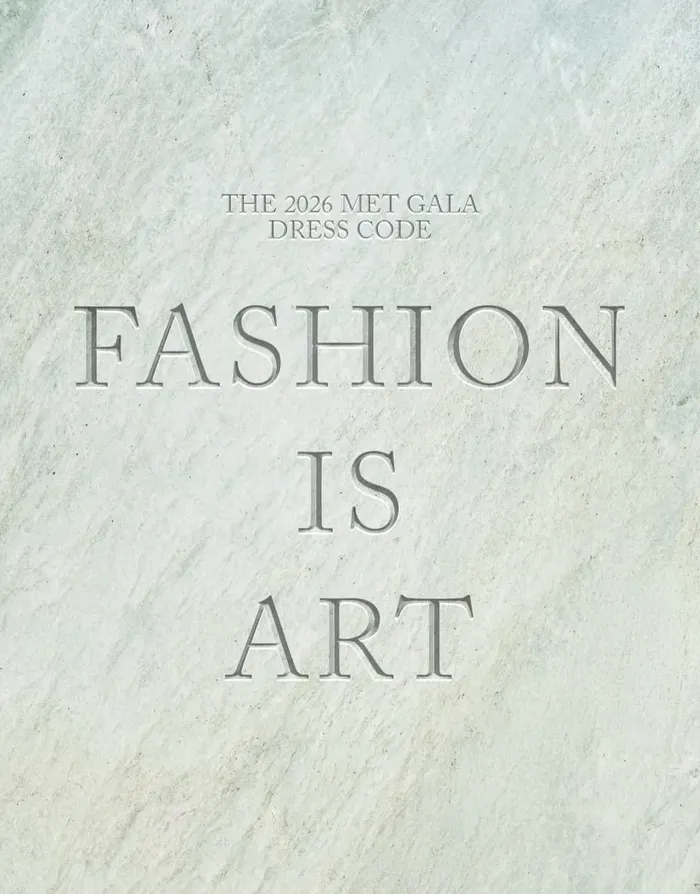
This year’s theme, Costume Art, with a dress code of "Fashion is art", challenges A-listers to treat the human body as a blank canvas.
It’s a full-circle moment for the institution. Andrew Bolton, the visionary curator in charge of the Costume Institute, noted via "Vogue" that, “What connects every curatorial department and what connects every single gallery in the museum is fashion... It’s the common thread."
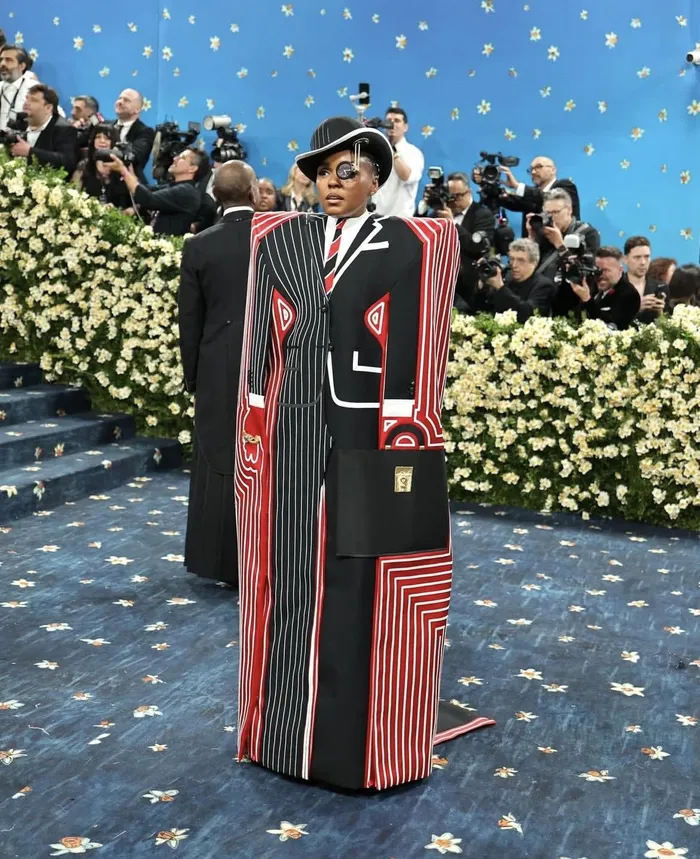
Janelle Monáe crushed the 2025 "Superfine" theme with a "time-travelling" look that gave a trippy, modern twist to classic Black style.
Image: Instagram
While the evening is synonymous with viral red carpet moments and who-wore-what critiques, the stakes are remarkably high.
The gala is the primary source of funding for the Costume Institute, proving that behind the layers of tulle and custom couture lies a vital engine for cultural preservation.
Despite the occasional curveball, such as the 2002 cancellation following 9/11 or the pandemic-induced shift to September in 2021, the tradition has returned with a vengeance.
The First Monday in May is now more than a date, it’s a brand.
It represents a moment where time stops, and the world watches to see how designers will interpret our cultural zeitgeist through fabric and form.
While the 2026 guest list is still a total secret, we know one thing for sure: the Met steps are about to host a historic moment with two major Black global icons leading the way.