
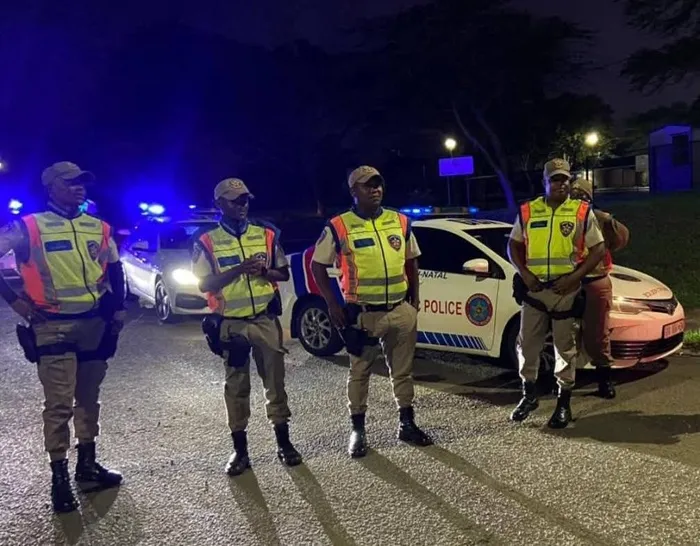
The KZN Transport Department has cracked down on drunk driving. South Africa’s alcohol-related crash rate stands among the worst in the world according to MasterDrive.
Image: KZN Transport Department
As South Africa enters the festive season, authorities and safety advocates are once again raising the alarm over a predictable and deadly surge in driving under the influence (DUI).
Matric parties, corporate year-end functions, and increased social drinking have created what can be called “Deadly December” a period marked by preventable tragedy on the nation’s roads.
MasterDrive CEO Eugene Herbert warns that the country cannot afford a repeat of last year’s grim statistics.
“During the 2024/2025 festive season, 9 984 people were arrested for drinking and driving. The fatality rate from crashes involving alcohol is also concerning, an average of 58% of road fatalities involve alcohol.”
According to Herbert, South Africa’s alcohol-related crash rate stands among the worst in the world.
“This is one of the highest averages globally. To place this in context, 28% of crashes in the USA involve alcohol, 18% in Australia, 13% in the UK while only 9% of crashes in Germany involve alcohol.”
He notes that DUIs are entirely preventable, but only if society embraces early intervention, responsible decision-making, and stronger support networks.
Efforts to curb drunk driving in KwaZulu-Natal
In KZN, provincial authorities have intensified operations targeting impaired drivers.
The KwaZulu-Natal Department of Transport and Human Settlements has announced a major crackdown which saw the arrest of hundreds of drunk drivers in several roadblocks across the province.
According to the MEC for Transport and Human Settlements, Siboniso Duma, “The total number of motorists arrested for drunk driving since 15 August (till early November) is 1,230.”
Duma said the province remains firm in its commitment to road safety. “Undoubtedly, the RTI (Road Traffic Inspectorate) is firmly behind my mandate that they should clean up our road networks and ensure that the people of this province feel safe.”
A closer look at high-risk scenarios
Herbert stresses that prevention begins early. “If your teenager will be driving to a matric vacation, further stress the importance of avoiding drink driving.”
Parents should also plan ahead. “Make sure they have alternatives to get home safely whether they plan to drink or not. Discuss specific scenarios: what will they do if the designated driver drinks? Who can they call if they need help getting home?”
And most importantly: “Ensure your teen knows they can call you for a ride home - no matter the scenario - rather than get in a car with an impaired driver.”
“Open, honest conversations about drink driving can equip them to make safe choices when it matters most,” he adds.
End-of-year corporate functions
Herbert argues that organisations need clear policies and responsible practices. “If alcohol is available, the responsibility is on the organisation to ensure that employees get home safely with the many options available today, whether ridesharing or shuttle services.”
He urges leadership to set the tone. “Limit the duration of alcohol service. Watch for signs of intoxication and intervene when necessary. Leadership should model responsible consumption as well.”
“Clearly communicate alcohol policies before the event. Create a culture where you look out for employees to prevent tragedy and make employee safety a top priority,” Herbert says.
Personal responsibility remains the deciding factor
While collective action is crucial, Herbert reminds South Africans that safety ultimately begins with individual decisions. “Commit to not drink and drive and should others do so, help them find safer alternatives. Ultimately, the choice is ours alone and one that cannot be compromised.”
He emphasises refusing even to ride with an impaired driver. “If drinking, don't drive. This extends to refusing to be a passenger with an impaired driver, even if it means confronting a friend. Doing otherwise is making a choice that could alter or end lives.”